
Dumjee Festival
Experience the vibrant Dumjee Festival , where ancient Sherpa traditions, Buddhist rituals, sacred Cham dances, and Himalayan hospitality come together in Nepal's Everest Region. Discover the rich cultural heritage of the Khumbu Valley while trekking to Everest Base Camp and immerse yourself in one of the Himalayas' most authentic spiritual celebrations.
Dumjee Festival : A Celebration of Himalayan Culture in the Everest Region
The Everest Region is globally recognized for its breathtaking mountain scenery, legendary trekking routes, and the towering presence of Mount Everest. However, beyond the snow-covered peaks lies a rich cultural heritage that has been preserved for centuries by the Sherpa people. One of the most meaningful cultural celebrations in the Khumbu Valley is the Dumjee Festival, an annual Buddhist festival celebrated with devotion, dance, prayer, and community gatherings.
Among the villages where the festival holds special significance, Dingboche (4,410m) stands out as a remarkable destination. Situated along the famous Everest Base Camp Trek route, Dingboche offers travelers a rare opportunity to experience authentic Himalayan culture while trekking through one of the world's most spectacular mountain landscapes.
Whether you are trekking to Everest Base Camp, exploring the Everest Three Passes Trek, or visiting Ama Dablam Base Camp, witnessing the Dumjee Festival provides an unforgettable cultural experience.
What is the Dumjee Festival?
The Dumjee Festival is one of the most important religious celebrations of the Sherpa community in Nepal's Khumbu region. The festival commemorates the birth of Guru Rinpoche (Padmasambhava), the revered Buddhist master credited with introducing Vajrayana Buddhism to the Himalayan region.
The word "Dumjee" combines two Tibetan words:
"Dum" meaning sacred scripture or religious teachings.
"Je" meaning celebration or gathering.
The festival is dedicated to prayers for peace, prosperity, protection from natural disasters, and blessings for local families, trekkers, climbers, and the entire community.
Today, Dumjee continues to preserve centuries-old Sherpa traditions while strengthening family and community bonds across the Everest region.
Dumjee Festival
Dingboche is often known as the "summer valley" of the Khumbu because of its open alpine landscape and stone-walled fields used for growing potatoes, barley, and hardy mountain crops.
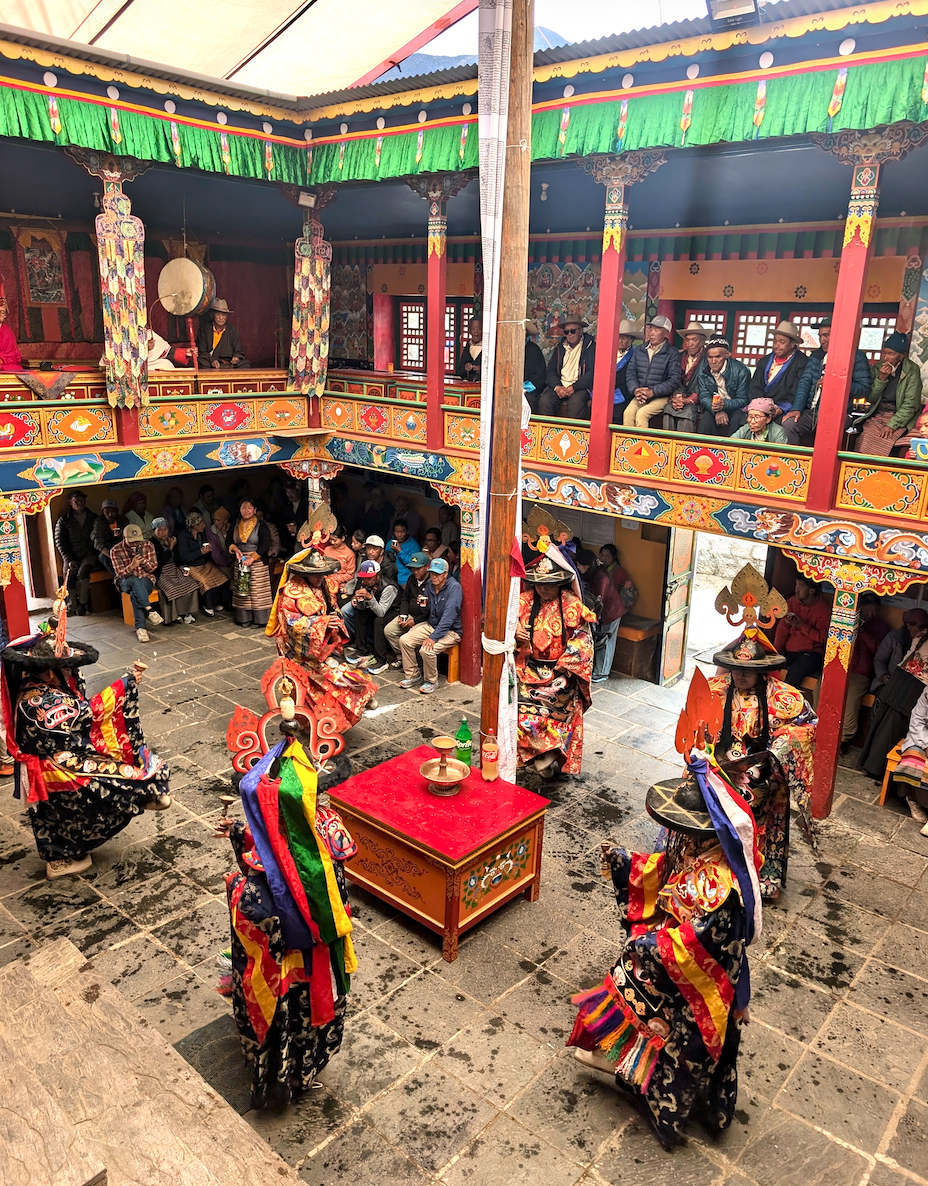
During the Dumjee Festival, the peaceful village transforms into a vibrant center of cultural celebration. Families return from Kathmandu and abroad to reunite with relatives, while monasteries become filled with monks chanting sacred prayers.
Visitors are welcomed with genuine Sherpa hospitality and can witness traditions that have remained unchanged for generations.
The celebration usually includes:
Traditional Buddhist prayer ceremonies
Sacred masked dances (Cham dances)
Community feasts
Monastic rituals
Blessings for climbers and trekkers
Family reunions
Traditional Sherpa music and dancing
Unlike commercial festivals found in cities, Dumjee remains deeply spiritual and community-centered.
Sherpa Culture and Himalayan Traditions
The Sherpa people are internationally respected for their mountaineering skills, yet their cultural identity extends far beyond climbing.
Sherpa life revolves around Tibetan Buddhism, family values, respect for nature, and strong community cooperation. Every mountain is regarded as sacred, and religious ceremonies are woven into everyday life.
Prayer flags flutter across mountain passes, mani walls line trekking trails, and chortens welcome travelers entering villages.
During Dumjee, these traditions become especially visible as villagers wear colorful traditional clothing and gather for religious ceremonies that celebrate compassion, harmony, and gratitude.
The festival reminds younger generations of their cultural roots while sharing the beauty of Sherpa heritage with visitors from around the world.
Traditional Cham Dances
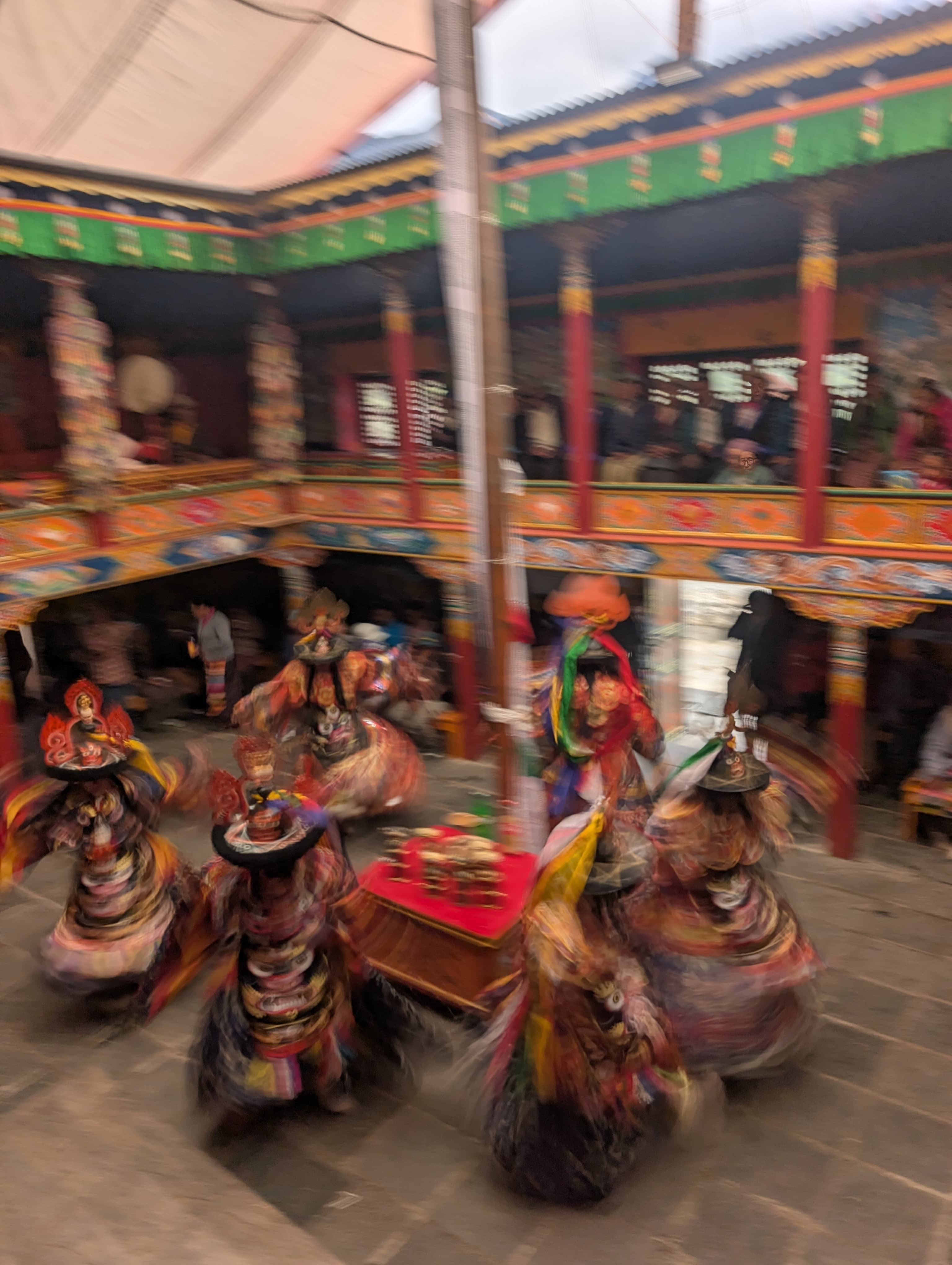
One of the festival's highlights is the sacred Cham Dance, performed by Buddhist monks wearing elaborate masks and ceremonial robes.
Each dance represents the victory of wisdom over ignorance and symbolizes the protection of all living beings.
The rhythmic sounds of long horns, drums, cymbals, and chanting create a spiritual atmosphere that captivates both pilgrims and trekkers.
Unlike performances created for tourism, Cham dances during Dumjee remain authentic religious rituals performed according to centuries-old Buddhist traditions.
Buddhist Rituals During Dumjee
Throughout the festival, monks conduct numerous ceremonies that include:
Reading sacred Buddhist scriptures
.jpeg)
Lighting butter lamps
Offering incense
Chanting protective mantras
Blessing local homes
Praying for world peace
Honoring ancestors
Many Sherpa families sponsor prayers to bring good fortune, health, and safe journeys for family members working as trekking guides, climbers, and mountaineers.
Visitors are welcome to respectfully observe these ceremonies while following monastery etiquette.
Best Time to Experience Dumjee Festival
The Dumjee Festival generally takes place during June or July, according to the Tibetan lunar calendar. The exact dates change every year.
Although summer brings occasional monsoon weather to Nepal, the Khumbu region often experiences clear mornings, lush alpine landscapes, blooming wildflowers, and fewer trekking crowds than the peak autumn season.
Trekkers planning an Everest adventure during this period enjoy both spectacular scenery and an authentic cultural experience.
Always confirm the annual festival dates before planning your trip.
How to Reach Dingboche
Most visitors reach Dingboche while trekking from Lukla toward Everest Base Camp.
A typical itinerary follows:
Lukla
Phakding
Namche Bazaar
Tengboche
Pangboche
Dingboche
The village also serves as an important acclimatization stop before continuing toward Lobuche, Gorakshep, Everest Base Camp, or Island Peak.
Its stunning views of Ama Dablam, Lhotse, Makalu, and surrounding Himalayan peaks make it one of the most beautiful settlements in the Khumbu Valley.
Responsible Cultural Tourism
Experiencing the Dumjee Festival is a privilege that should be approached with respect.
Visitors should:
Dress modestly when entering monasteries.
Ask permission before photographing monks or local people.
Walk clockwise around chortens and mani walls.
Remove hats inside monasteries.
Respect prayer ceremonies and avoid loud conversations.
Support locally owned teahouses and businesses.
Responsible travel helps preserve the cultural identity of the Everest Region while directly benefiting local Sherpa communities.
Experience Himalayan Culture with Trek Adviser
At Trek Adviser, we believe that trekking is about more than reaching mountain summits. It is about connecting with local people, understanding their traditions, and creating meaningful travel experiences.
Our experienced local guides provide cultural insights throughout your Everest adventure, helping you appreciate the stories behind monasteries, prayer flags, festivals, and the unique Sherpa way of life.
If your trek coincides with the Dumjee Festival, you'll have the opportunity to witness one of the Himalayas' most treasured cultural celebrations while exploring the legendary Everest Region.
Whether you're planning the Everest Base Camp Trek, Everest Base Camp via Gokyo Lakes, Everest Three Passes Trek, Ama Dablam Base Camp Trek, or Island Peak Climbing, the Dumjee Festival offers an unforgettable glimpse into the heart of Sherpa culture.
The Everest Region is not only home to the world's highest mountain—it is also home to one of the richest living cultures in the Himalayas. The Dumjee Festival in Dingboche beautifully reflects the spiritual traditions, resilience, and warm hospitality that make the Khumbu a truly extraordinary destination.