Hidden Gem Trails: Off-the-Beaten-Path Treks You Haven't Discovered Yet
May 20, 2026
Less crowded routes can deliver quieter valleys, richer encounters, and a more reflective trek.
Hidden Gem Trails: Off-the-Beaten-Path Treks You Haven't Discovered Yet
Hidden Treks in Nepal That Deserve a Place on Every Adventurer's Bucket List
When people think about trekking in Nepal, iconic routes like Everest Base Camp, the Annapurna Circuit, and the Annapurna Base Camp Trek usually come to mind. These world-famous trails have earned their reputation for spectacular mountain scenery, rich Sherpa culture, and unforgettable Himalayan experiences. However, Nepal offers much more than its famous trekking routes.
Beyond the crowded tea houses and well-established trekking corridors lies another Nepal—a land of hidden valleys, ancient monasteries, remote mountain villages, untouched forests, alpine lakes, and trails where you may walk for hours without encountering another trekking group. These lesser-known trekking routes provide a deeper connection with nature, culture, and the authentic Himalayan lifestyle.
For travelers seeking solitude, genuine cultural encounters, and pristine wilderness, Nepal's hidden gem trails offer adventures that few visitors ever experience.
At Trekadviser, we believe the greatest adventures often begin where the crowds end. Our experienced local guides have spent years exploring remote corners of Nepal, discovering extraordinary routes that reveal the country's true beauty while supporting local communities through sustainable tourism.
Whether you're an experienced trekker searching for your next challenge or someone who simply wants to experience Nepal differently, these hidden trails promise memories that last a lifetime.
Why Choose Hidden Trails Instead of Popular Routes?
The popularity of Everest Base Camp and Annapurna has brought incredible opportunities to local communities, but it has also created busy trekking seasons where hundreds of trekkers may share the same trail every day.
Hidden trekking routes offer something completely different.
Peace and Solitude
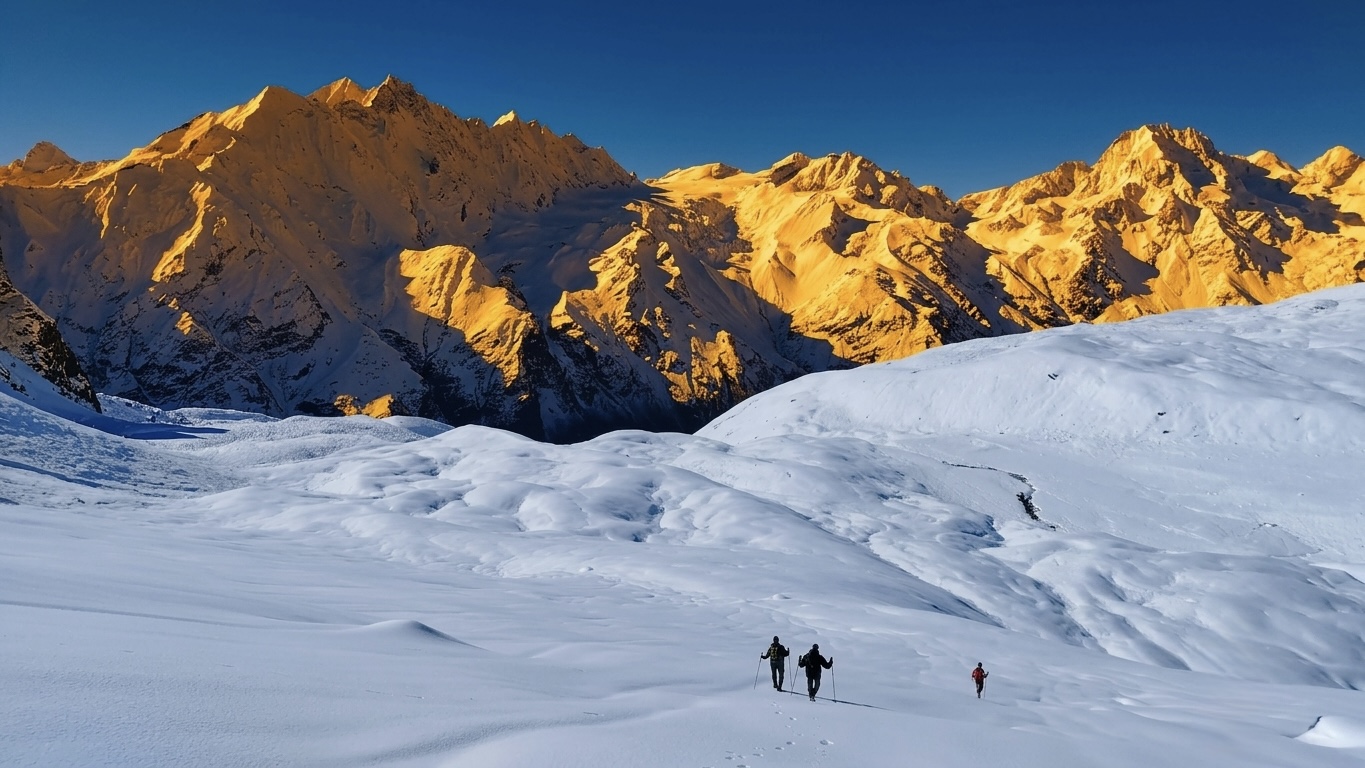
Imagine waking up to complete silence except for the sound of mountain rivers and birds singing. Instead of crowded viewpoints filled with dozens of photographers, you may have entire mountain panoramas to yourself.
Walking alone through ancient forests creates a much deeper connection with nature than trekking in large crowds.
Many travelers discover that these peaceful moments become the highlight of their journey.
Authentic Cultural Experiences
Remote villages have preserved traditions that have remained unchanged for generations.
You won't simply observe local culture—you'll become part of it.
Visitors are often welcomed into family homes, invited to drink butter tea, learn traditional farming methods, visit centuries-old monasteries, and experience festivals rarely seen by international tourists.
Because tourism is still developing in many hidden regions, local people remain genuinely curious and welcoming toward visitors.
Incredible Wildlife
Remote trekking routes pass through some of Nepal's richest biodiversity.
Depending on the region and season, trekkers may encounter:
Himalayan Thar
Blue Sheep
Musk Deer
Himalayan Monal
Blood Pheasant
Red Panda
Snow Leopard (extremely rare)
Himalayan Black Bear
Langur Monkeys
Numerous species of orchids and rhododendrons
Many of these areas are protected conservation zones where wildlife thrives far from busy tourist routes.
Better Photography Opportunities
Professional photographers often prefer lesser-known trekking routes because they provide:
Empty landscapes
Authentic village life
Dramatic mountain light
Traditional architecture
Ancient monasteries
Star-filled night skies
Unique cultural portraits
Without crowds entering every frame, photographers can capture Nepal's untouched beauty in its purest form.
Hidden Gem Trek #1: Nar Phu Valley Trek
A Journey into Nepal's Lost Tibetan Kingdom
Located north of the Annapurna region, the Nar Phu Valley remained completely closed to foreigners until 2002.
Even today, relatively few trekkers visit this remarkable destination each year.
Crossing high mountain passes and entering ancient stone villages feels like stepping back hundreds of years in time.
The valley preserves Tibetan Buddhist traditions, architecture, language, and lifestyle that have remained remarkably unchanged.
Trek Highlights
Ancient medieval villages
Narrow sandstone canyons
Massive suspension bridges
Traditional yak caravans
Himalayan blue sheep
Remote monasteries
Kang La Pass (5,320 m)
Spectacular Annapurna views
Unlike many commercial trekking routes, Nar Phu still feels genuinely wild.
Stone houses blend naturally into the surrounding cliffs, prayer flags flutter above centuries-old monasteries, and local families continue living traditional Himalayan lives.
Trekkers often describe Nar Phu as one of the most authentic cultural experiences in Nepal.
Difficulty
Moderate to Challenging
The trail includes long walking days and a high mountain pass, making it suitable for trekkers with reasonable fitness and proper acclimatization.
Duration
10–14 Days
Nar Phu can also be combined with the Annapurna Circuit to create a longer adventure.
Best Season
Spring (March–May)
Autumn (September–November)
These seasons provide clear mountain views, stable weather, and comfortable trekking temperatures.
Hidden Gem Trek #2: Tsum Valley Trek
Nepal's Sacred Hidden Valley
Tsum Valley is often called the "Hidden Valley of Happiness."
Nestled close to the Tibetan border, this peaceful region remained isolated from the outside world for centuries.
Unlike many trekking destinations where scenery takes center stage, Tsum Valley offers a profound spiritual experience.
Prayer wheels spin beside ancient stone paths. Monks chant inside monasteries that have stood for hundreds of years. Mani walls carved with Buddhist scriptures line the trails, reminding visitors of the valley's deep religious heritage.
The people of Tsum have preserved their unique dialect, customs, clothing, and traditions despite increasing modernization elsewhere.
Highlights
Mu Gompa Monastery
Rachen Gompa
Chhokang Paro Village
Tibetan Buddhist culture
Traditional yak farming
Ancient mani walls
Stunning Ganesh Himal views
Peaceful trekking routes
Walking through Tsum Valley feels less like a trek and more like a journey through living history.
Visitors often say the kindness and simplicity of the local people leave an even greater impression than the mountains themselves.
Difficulty
Moderate
The trail gradually gains elevation, allowing good acclimatization while remaining accessible to trekkers with average fitness.
Duration
12–16 Days
Many trekkers combine Tsum Valley with the Manaslu Circuit for a more comprehensive Himalayan adventure.
Best Season
March to May
September to November
These months provide excellent weather and breathtaking mountain visibility.
Responsible Trekking in Hidden Regions
The growing popularity of lesser-known trails brings opportunities—but also responsibilities.
When visiting remote Himalayan communities:
Respect local customs and religious sites.
Ask permission before photographing people.
Carry reusable water bottles.
Avoid single-use plastics.
Stay in locally owned tea houses.
Hire licensed local guides and porters.
Leave no trace on the trail.
Support local businesses by purchasing handmade products.
Responsible tourism helps preserve these hidden treasures for future generations while ensuring local communities benefit from trekking.
Hidden Gem Trek #3: Khopra Ridge Trek
A Peaceful Alternative to Poon Hill
While thousands of trekkers visit Poon Hill every trekking season, relatively few continue toward the magnificent Khopra Ridge. This hidden route rewards hikers with some of the finest panoramic views in the Annapurna region without the busy trails.
The trek begins by passing through charming Gurung and Magar villages, where traditional stone houses, terraced farms, and warm hospitality provide an authentic glimpse into rural Nepal. Rhododendron forests bloom spectacularly during spring, transforming the hillsides into vibrant landscapes of red, pink, and white flowers.
As you climb higher, the scenery changes dramatically. Dense forests give way to alpine meadows, and snow-capped giants dominate the skyline.
From Khopra Ridge, trekkers enjoy breathtaking views of:
Dhaulagiri (8,167 m)
Annapurna South
Nilgiri
Hiunchuli
Fang Mountain (Varaha Shikhar)
Unlike many popular viewpoints, sunrise and sunset at Khopra Ridge are often enjoyed in peaceful solitude.
Khayer Lake Excursion
One of the trek's highlights is the optional hike to Khayer Lake, a sacred alpine lake situated at nearly 4,600 meters. The challenging day hike rewards trekkers with dramatic mountain scenery and a tranquil setting surrounded by towering Himalayan peaks.
Pilgrims visit the lake during Janai Purnima, believing its waters hold spiritual significance.
Trek Overview
Duration: 8–12 Days
Maximum Altitude: 4,660 m
Difficulty: Moderate
Best Season: March–May & September–November
Hidden Gem Trek #4: Pikey Peak Trek
One of the Best Everest Viewpoints You've Never Heard Of
If you're looking for stunning Himalayan panoramas without trekking to Everest Base Camp, Pikey Peak should be at the top of your list.
Located in the lower Solu region, this underrated trek gained international attention when it was revealed that Sir Edmund Hillary considered the sunrise from Pikey Peak among his favorite views of Everest.
Standing at 4,065 meters, the summit offers an incredible 360-degree panorama that stretches across the Himalayas.
On a clear day, trekkers can admire:
Mount Everest
Makalu
Lhotse
Kanchenjunga
Gaurishankar
Numbur Himal
Annapurna Range in the far west
The sunrise transforms the entire mountain range into shades of orange, pink, and gold, creating one of Nepal's most memorable landscapes.
Rich Sherpa Culture
Beyond the mountain views, the Pikey Peak Trek introduces visitors to authentic Sherpa villages where life remains deeply connected to Buddhist traditions.
Ancient monasteries, colorful prayer flags, yak pastures, and friendly tea houses create a welcoming atmosphere throughout the journey.
Trek Overview
Duration: 6–9 Days
Maximum Altitude: 4,065 m
Difficulty: Easy to Moderate
Best Season: Spring & Autumn
Ideal for:
Families
Beginner trekkers
Photographers
Short holiday travelers
Hidden Gem Trek #5: Makalu Base Camp Trek
Nepal's Wildest Himalayan Adventure
Makalu Base Camp is one of Nepal's least-visited major trekking destinations despite leading to the world's fifth-highest mountain.
This expedition takes trekkers deep into the Makalu Barun National Park, one of the country's richest biodiversity hotspots.
Unlike commercial trekking routes, Makalu remains wonderfully remote. Days can pass with only a handful of fellow trekkers on the trail.
The journey passes through:
Dense tropical forests
Bamboo groves
Rhododendron forests
Alpine meadows
High glaciers
Massive ice valleys
Eventually, trekkers reach Makalu Base Camp at approximately 4,870 meters, surrounded by towering peaks and hanging glaciers.
Incredible Biodiversity
Makalu Barun National Park protects an astonishing variety of wildlife and plant life.
Species include:
Red Panda
Himalayan Black Bear
Clouded Leopard
Musk Deer
Snow Leopard (rare)
Himalayan Monal
More than 3,000 flowering plants
Because tourism remains limited, the ecosystem remains exceptionally well preserved.
Trek Overview
Duration: 18–22 Days
Maximum Altitude: 4,870 m
Difficulty: Challenging
Best Season: April–May & October–November
Perfect for experienced trekkers seeking genuine wilderness.
Hidden Gem Trek #6: Kanchenjunga Base Camp Trek
Nepal's Most Remote Tea House Trek
Kanchenjunga, the world's third-highest mountain, dominates Nepal's far eastern frontier.
Despite its global fame, surprisingly few trekkers venture into this spectacular region.
The trek follows ancient trade routes through traditional Rai, Limbu, and Tibetan communities before reaching the massive glaciers surrounding Kanchenjunga.
Unlike busier regions, villages here remain largely untouched by modern tourism, preserving local customs, architecture, and agricultural traditions.
Two Incredible Base Camps
Many itineraries include visits to both:
North Base Camp (Pang Pema)
South Base Camp (Oktang)
Each offers a completely different perspective of Kanchenjunga's immense glaciers and towering rock faces.
Trek Overview
Duration: 20–26 Days
Maximum Altitude: 5,143 m
Difficulty: Challenging
Best Season: Spring & Autumn
This trek is ideal for experienced hikers who enjoy long journeys through remote landscapes.
Why Remote Treks Are Worth the Extra Effort
Hidden trails often require longer travel times and more planning, but the rewards are extraordinary.
Instead of following busy routes, you'll experience:
Quiet mountain trails
Authentic village life
Family-run tea houses
Personal interactions with local communities
Less environmental pressure
Greater opportunities for wildlife sightings
Unique photography locations
These are the experiences many seasoned trekkers remember most long after returning home.
Essential Preparation for Hidden Treks
Because many off-the-beaten-path routes pass through remote regions, preparation is especially important.
Physical Fitness
Aim to prepare for at least 8–12 weeks before your trek with:
Regular hiking
Stair climbing
Cardio training
Strength exercises for legs and core
Flexibility and balance work
Equipment
Reliable gear is essential. Pack:
Waterproof trekking boots
Layered clothing
Down jacket
Sleeping bag suitable for cold temperatures
Trekking poles
Headlamp
First-aid kit
Water purification method
Power bank and spare batteries
Weather in the Himalayas can change quickly, so being properly equipped makes your journey safer and more comfortable.
Hidden Gem Trek #7: Dhaulagiri Circuit Trek
Nepal's Ultimate High-Altitude Adventure
The Dhaulagiri Circuit Trek is one of Nepal's most demanding and rewarding trekking expeditions. Circling the world's seventh-highest mountain (8,167 m), this route is designed for experienced trekkers who want to venture far from crowded trekking corridors.
Unlike tea-house-based routes, parts of the Dhaulagiri Circuit require camping, crossing glaciers, and navigating rugged alpine terrain. The journey passes through remote villages before entering a spectacular landscape of icefalls, moraines, and towering snow-covered peaks.
One of the highlights is crossing the French Pass (5,360 m), where panoramic views of Dhaulagiri, Tukuche Peak, and the Hidden Valley unfold in every direction.
Trek Highlights
Dhaulagiri Base Camp
French Pass (5,360 m)
Hidden Valley
Dhampus Pass
Glaciers and icefalls
Remote camping experience
Dramatic Himalayan scenery
Trek Overview
Duration: 16–20 Days
Maximum Altitude: 5,360 m
Difficulty: Very Challenging
Best Season: April–May and September–November
This trek is recommended only for experienced trekkers accompanied by qualified guides and a well-organized support team.
Hidden Gem Trek #8: Upper Dolpo Trek
Into Nepal's Ancient Himalayan Kingdom
Upper Dolpo is one of Nepal's most isolated and culturally fascinating regions. Opened to foreign visitors only in the late 20th century, it remains protected by special permit regulations, helping preserve its unique traditions and pristine landscapes.
The region is deeply influenced by Tibetan Buddhism and the ancient Bon religion, creating a spiritual atmosphere unlike any other part of Nepal.
Trekkers journey through:
High mountain deserts
Ancient monasteries
Crystal-clear rivers
Remote stone villages
Vast yak pastures
Windswept plateaus
One of the trek's greatest highlights is Shey Phoksundo Lake, famous for its vivid turquoise waters framed by towering cliffs and snow-capped mountains. It is one of the most photographed natural wonders in Nepal.
Trek Highlights
Shey Phoksundo Lake
Shey Gompa
High Himalayan passes
Bon monasteries
Traditional Tibetan villages
Remote camping
Spectacular landscapes
Trek Overview
Duration: 20–25 Days
Maximum Altitude: Approximately 5,350 m
Difficulty: Challenging
Best Season: June–September (Dolpo lies in a rain shadow, making it suitable during the monsoon)
Hidden Gem Trek #9: Limi Valley Trek
Nepal's Hidden Tibetan Frontier
Situated in the remote Humla District near the Tibetan border, the Limi Valley Trek is one of Nepal's least-visited trekking routes. Its isolation has allowed ancient traditions, architecture, and ways of life to endure with little outside influence.
The trail follows old salt trading routes through dramatic valleys, crossing high mountain passes and passing centuries-old villages where prayer flags flutter above whitewashed homes.
Trekkers often describe Limi Valley as one of the last places in the Himalayas where life still moves at a traditional pace.
Trek Highlights
Halji Monastery
Nyin Valley
Ancient Tibetan culture
Snow-covered peaks
High mountain passes
Historic trade routes
Remote villages
Trek Overview
Duration: 18–22 Days
Maximum Altitude: Around 5,000 m
Difficulty: Challenging
Best Season: June–September
Because of its remoteness, this trek requires careful logistical planning and experienced local support.
Hidden Gem Trek #10: Rara Lake Trek
Nepal's Largest Alpine Lake
Located in Rara National Park in northwestern Nepal, Rara Lake is often called the "Blue Jewel of Nepal." Despite its extraordinary beauty, it receives far fewer visitors than many of the country's more famous trekking destinations.
Surrounded by pine, juniper, and spruce forests, the lake changes color throughout the day—from deep blue to emerald green—depending on the light and weather.
The peaceful trails around the lake are ideal for travelers seeking relaxation as well as adventure.
Wildlife found in the national park includes:
Himalayan Black Bear
Musk Deer
Red Panda (rare)
Himalayan Monal
Numerous migratory birds
Trek Highlights
Rara Lake
Murma Top viewpoint
Traditional mountain villages
Forest walks
National park wildlife
Quiet lakeside camping
Trek Overview
Duration: 7–10 Days
Maximum Altitude: Around 3,710 m
Difficulty: Moderate
Best Season: April–June and September–November
Photography Tips for Hidden Himalayan Trails
Remote trekking regions provide exceptional opportunities for photographers.
Best Time for Landscape Photography
Sunrise offers soft golden light and clear mountain visibility.
Sunset creates dramatic colors across snow-covered peaks.
Early mornings often provide the calmest conditions for reflections on alpine lakes.
Capture Local Life Respectfully
Traditional villages offer incredible photographic moments, but always ask permission before taking close-up portraits. A smile and a respectful conversation often lead to more meaningful interactions.
Essential Photography Gear
Lightweight DSLR or mirrorless camera
Wide-angle lens for landscapes
Telephoto lens for wildlife and distant peaks
Extra batteries (cold weather drains batteries quickly)
Waterproof camera protection
Portable tripod for sunrise, sunset, and night photography
Cultural Etiquette on Remote Treks
One of the greatest rewards of hidden trails is the opportunity to experience Nepal's diverse cultures. Respecting local customs helps preserve these traditions and strengthens the connection between visitors and host communities.
Remember to:
Dress modestly in villages and monasteries.
Remove your shoes before entering religious buildings when requested.
Walk clockwise around stupas, mani walls, and prayer wheels.
Avoid touching sacred objects without permission.
Use both hands when giving or receiving items as a sign of respect.
Learn a few simple Nepali greetings such as "Namaste."
Supporting local tea houses, guides, and artisans also contributes directly to community livelihoods and encourages sustainable tourism.
Trek Responsibly with Trekadviser
At Trekadviser, we believe responsible travel is essential to protecting Nepal's hidden treasures.
Our experienced local guides are committed to:
Practicing Leave No Trace principles
Supporting locally owned tea houses and homestays
Minimizing plastic waste
Respecting local customs and traditions
Hiring local guides and porters whenever possible
Promoting environmentally responsible trekking practices
By choosing sustainable adventures, you help preserve these remarkable trails for future generations while ensuring tourism benefits the communities who call the Himalayas home
Choosing the Right Hidden Trek
Every trek offers a different experience. Choosing the right one depends on your fitness, available time, trekking experience, and travel goals.
Best for Beginners
If this is your first Himalayan adventure, consider routes that combine stunning scenery with moderate difficulty.
Recommended treks include:
Pikey Peak Trek
Khopra Ridge Trek
Mohare Danda Trek
Mardi Himal Trek (less crowded itineraries)
Rara Lake Trek
These routes generally offer comfortable tea houses, manageable daily walking distances, and rewarding mountain views.
Best for Experienced Trekkers
Trekkers looking for more challenging adventures should consider:
Nar Phu Valley
Tsum Valley
Makalu Base Camp
Kanchenjunga Base Camp
Dhaulagiri Circuit
Upper Dolpo
Limi Valley
These journeys involve longer trekking days, higher elevations, and more remote conditions, making proper preparation essential.
Best Seasons for Hidden Treks
Weather plays a major role in determining your trekking experience.
Spring (March–May)
Spring is one of Nepal's most beautiful trekking seasons.
Highlights include:
Rhododendron forests in full bloom
Mild temperatures
Excellent mountain visibility
Longer daylight hours
Colorful local festivals
Ideal for:
Khopra Ridge
Nar Phu Valley
Pikey Peak
Makalu Base Camp
Kanchenjunga
Autumn (September–November)
Autumn is considered the most popular trekking season due to stable weather and crystal-clear skies.
Advantages:
Dry trails
Comfortable temperatures
Exceptional visibility
Festive atmosphere during Dashain and Tihar
Almost every hidden trekking destination can be enjoyed during autumn.
Winter (December–February)
Some lower-altitude hidden trails remain accessible during winter.
Recommended options:
Pikey Peak
Mohare Danda
Lower sections of Rara Lake
Higher mountain passes may be blocked by heavy snowfall.
Monsoon (June–August)
Although much of Nepal experiences heavy rainfall during the monsoon, rain-shadow regions remain excellent choices.
Recommended:
Upper Dolpo
Upper Mustang
Limi Valley
These regions receive significantly less rainfall and offer unique summer trekking opportunities.
Permits Required
Many hidden trekking regions require special permits in addition to standard conservation area or national park entry permits.
Depending on the destination, trekkers may need:
Restricted Area Permit (RAP)
Annapurna Conservation Area Permit (ACAP)
Manaslu Conservation Area Permit (MCAP)
Kanchenjunga Conservation Area Permit (KCAP)
Makalu Barun National Park Entry Permit
Rara National Park Entry Permit
Permit requirements and fees may change, so it's important to verify the latest regulations before your trip. Trekadviser assists every client with obtaining the necessary permits and ensuring all paperwork is completed correctly before the trek begins.
Estimated Budget
The cost of a hidden trek varies depending on:
Trek duration
Permit fees
Domestic flights
Transportation
Accommodation
Guide and porter services
Camping logistics (if required)
On average:
Short tea-house treks: approximately USD 700–1,200
Moderate remote treks: approximately USD 1,400–2,500
Expedition-style camping treks: USD 2,500 and above
Choosing a reputable trekking company ensures transparent pricing, experienced staff, and reliable safety support throughout your journey.
Essential Packing Checklist
Packing wisely contributes greatly to a safe and enjoyable trek.
Clothing
Moisture-wicking base layers
Insulating fleece jacket
Warm down jacket
Waterproof jacket and trousers
Trekking trousers
Thermal underwear
Warm hat and gloves
Sun hat
Hiking socks
Footwear
Waterproof trekking boots
Camp shoes or sandals
Gaiters (for snow or muddy trails)
Equipment
Trekking poles
Sleeping bag (appropriate for the season)
Backpack
Duffel bag (if using a porter)
Headlamp
Sunglasses with UV protection
Water bottles or hydration bladder
Water purification tablets or filter
Power bank
Camera and spare batteries
Personal Items
Sunscreen
Lip balm
Basic first-aid kit
Personal medications
Toiletries
Snacks and energy bars
Passport and travel insurance documents
Cash for remote villages
Safety Tips
Hidden trails are rewarding, but they also require thoughtful preparation.
Always:
Trek with a licensed guide.
Allow enough time for acclimatization.
Stay hydrated throughout the journey.
Inform your guide immediately if you experience symptoms of altitude sickness.
Monitor changing weather conditions.
Carry travel insurance that covers high-altitude trekking and emergency helicopter evacuation where applicable.
Respect your body's limits and avoid rushing.
Safety should always be the highest priority in the Himalayas.
Responsible Tourism
The future of Nepal's hidden trails depends on responsible travelers.
Help protect these remarkable regions by:
Carrying reusable water bottles.
Avoiding single-use plastics.
Taking all non-biodegradable waste back with you.
Staying in locally owned tea houses and homestays.
Purchasing handmade local products.
Respecting wildlife and maintaining a safe distance.
Following designated trails to reduce environmental impact.
Conserving water and energy in remote villages.
Every responsible choice contributes to preserving these landscapes and supporting local communities.
Frequently Asked Questions
Are hidden trekking routes safe?
Yes. With proper planning, experienced guides, suitable equipment, and attention to weather and altitude, hidden treks are safe and highly rewarding.
Do I need previous trekking experience?
Not always. Routes like Pikey Peak, Khopra Ridge, and Rara Lake are suitable for many first-time trekkers, while destinations such as Dhaulagiri Circuit and Upper Dolpo are recommended for experienced hikers.
Are tea houses available?
Many hidden trails provide comfortable tea-house accommodation, while some of the most remote regions require camping for part or all of the journey.
Can I trek independently?
Several restricted regions—including Nar Phu Valley, Tsum Valley, Upper Dolpo, and Limi Valley—require trekking through a registered trekking agency with the appropriate permits. Even where independent trekking is allowed, hiring a licensed guide greatly enhances safety, navigation, and cultural understanding.
What wildlife might I see?
Depending on the region, you may encounter Himalayan tahr, blue sheep, musk deer, Himalayan monal, langur monkeys, and—on rare occasions—red pandas or snow leopards.
Why Choose Trekadviser?
At Trekadviser, we believe the best journeys are built on local knowledge, genuine hospitality, and responsible travel.
When you travel with us, you benefit from:
Experienced, government-licensed guides
Carefully planned itineraries
Small-group and private departures
Flexible trip customization
Reliable logistics and safety planning
Transparent pricing with no hidden costs
Support for local communities and sustainable tourism
Assistance with permits, transportation, and accommodation from arrival to departure
Whether you're planning your first Himalayan trek or searching for a remote expedition far from the crowds, our team is dedicated to creating a journey that matches your goals and experience.
Final Thoughts
Nepal's famous trekking routes have earned worldwide recognition, but the country's hidden trails reveal another side of the Himalayas—one defined by quiet valleys, timeless villages, sacred monasteries, pristine forests, and dramatic mountain landscapes that remain largely untouched.
Choosing an off-the-beaten-path trek is about more than avoiding crowds. It's about embracing authentic encounters, supporting remote communities, and discovering places where nature and culture continue to thrive in harmony.
If you're ready to experience a different side of Nepal, let Trekadviser guide you beyond the ordinary. Together, we'll explore hidden valleys, cross breathtaking mountain passes, share stories with local families, and create memories that will stay with you long after the trek is over.
The Himalayas still hold countless secrets. Your next adventure could begin on a trail few have ever walked.
Explore Nepal differently. Explore responsibly. Explore with Trekadviser.