
Is Nepal Open for Trekking in 2026? Latest Travel Update After Floods
Nepal is open for tourism and trekking in 2026, and many of the country's famous Himalayan trekking routes remain available for travelers. However, recent floods and landslides have affected some parts of Nepal, so trekkers should choose their destination carefully and check current trail and road conditions before departure.
If you are planning a trek to Nepal this autumn, you do not necessarily need to cancel your plans. Instead, choose a trekking region that is operating safely, travel with a registered trekking company and licensed guide, and avoid areas that have been directly affected by recent disasters.
Is Nepal Open for Trekking?
Yes. Nepal remains open to international travelers, and trekking continues in many Himalayan regions.
Nepal is a large country with very different geographical areas. A flood or landslide affecting one district does not mean that every trekking destination in Nepal is affected.
Popular trekking regions such as Everest, Annapurna and other Himalayan areas can continue to welcome trekkers where local authorities and trekking professionals confirm that routes are operational and safe.
However, conditions can change quickly during the monsoon and post-monsoon period. Roads, bridges and mountain trails may be damaged by heavy rainfall, so travelers should always obtain an updated local assessment before starting their trek.
Which Areas of Nepal Have Been Affected?
Recent heavy rainfall, floods and landslides have caused disruption in several parts of Nepal. Some roads, bridges and local communities have experienced significant damage.
The impact is not the same throughout the country.
Some locations may have suffered serious damage while trekking routes in other regions remain accessible. This is why travelers should not judge the safety of an entire country based on conditions in one affected district.
Areas Requiring Extra Caution
Travelers should be particularly careful when planning trips through areas that have experienced recent flooding, landslides or infrastructure damage.
For example, parts of the Langtang/Rasuwa corridor have experienced serious disruption and should only be visited after receiving current confirmation about road and trail conditions.
If a route has been directly affected, Trekadviser recommends postponing travel until local authorities and experienced trekking professionals confirm that the route is suitable for visitors.
Where Can You Trek in Nepal?
Nepal has hundreds of trekking routes, ranging from short Himalayan walks to challenging high-altitude expeditions.
The best trekking destination depends on current conditions, weather, road access and the traveler's experience.
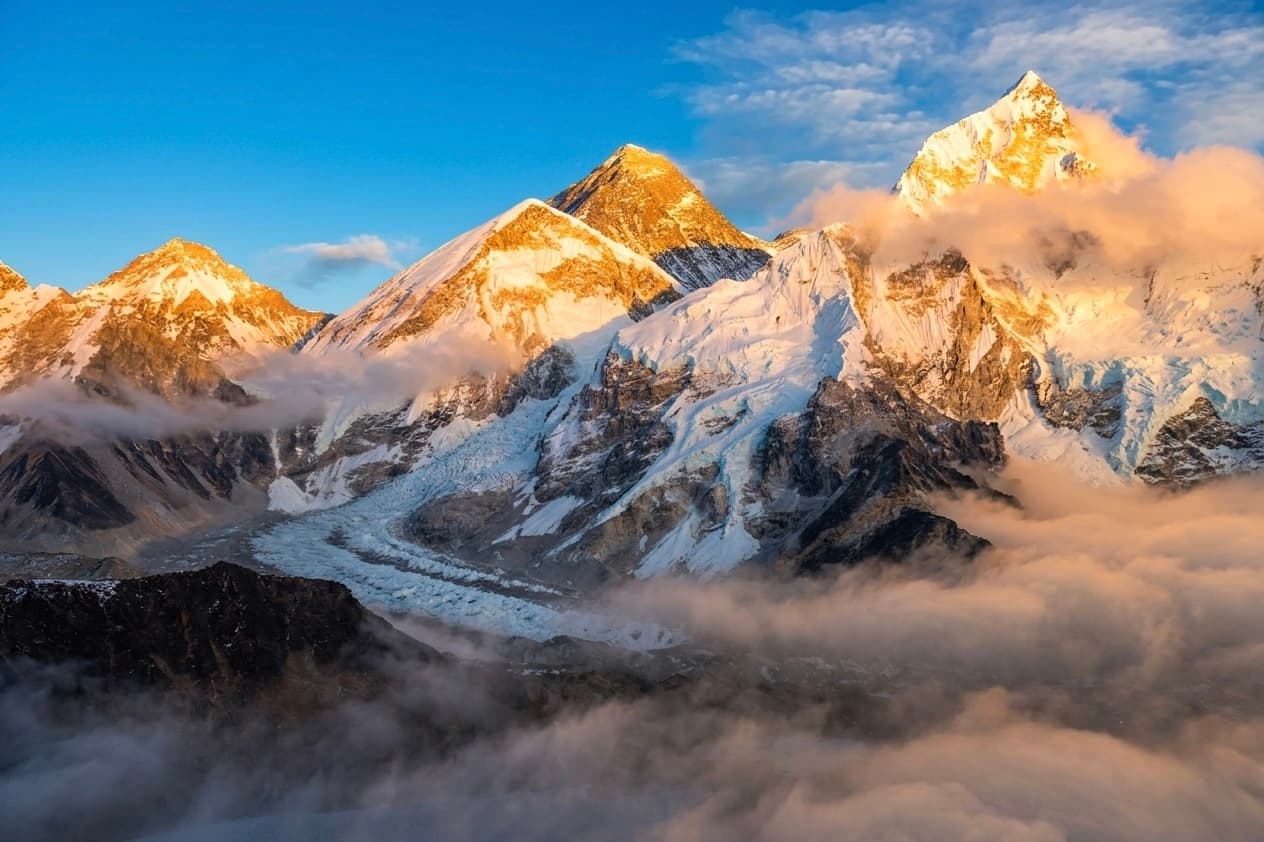
Everest Base Camp
The Everest region remains one of Nepal's most popular trekking destinations.
The Everest Base Camp Trek takes travelers through the Khumbu region, with spectacular views of Mount Everest and surrounding Himalayan peaks.
Travelers planning an Everest trek should still check current flight, road and trail conditions before departure, particularly during periods of changing weather.
Annapurna Region
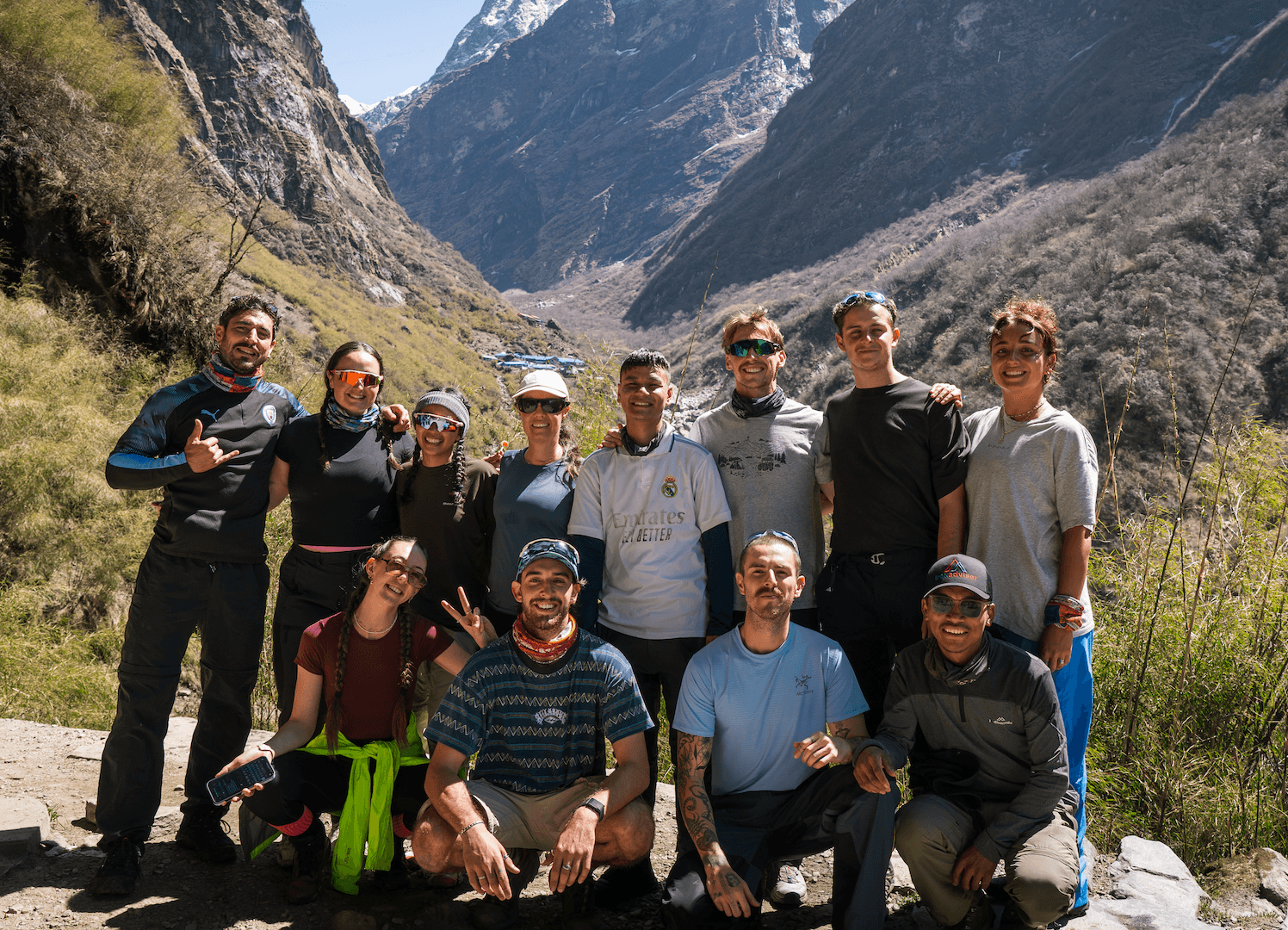
The Annapurna region offers some of Nepal's most accessible and diverse trekking routes.
The Annapurna Circuit passes through a dramatic combination of villages, forests, valleys and high mountain landscapes. The route includes Thorong La Pass and reaches some of the highest elevations on the trek.
The Annapurna Base Camp Trek is another popular option for travelers looking for a shorter Himalayan adventure.
Because the Annapurna region is extensive, conditions can vary from one section of the route to another. Current local information should always be checked before departure.
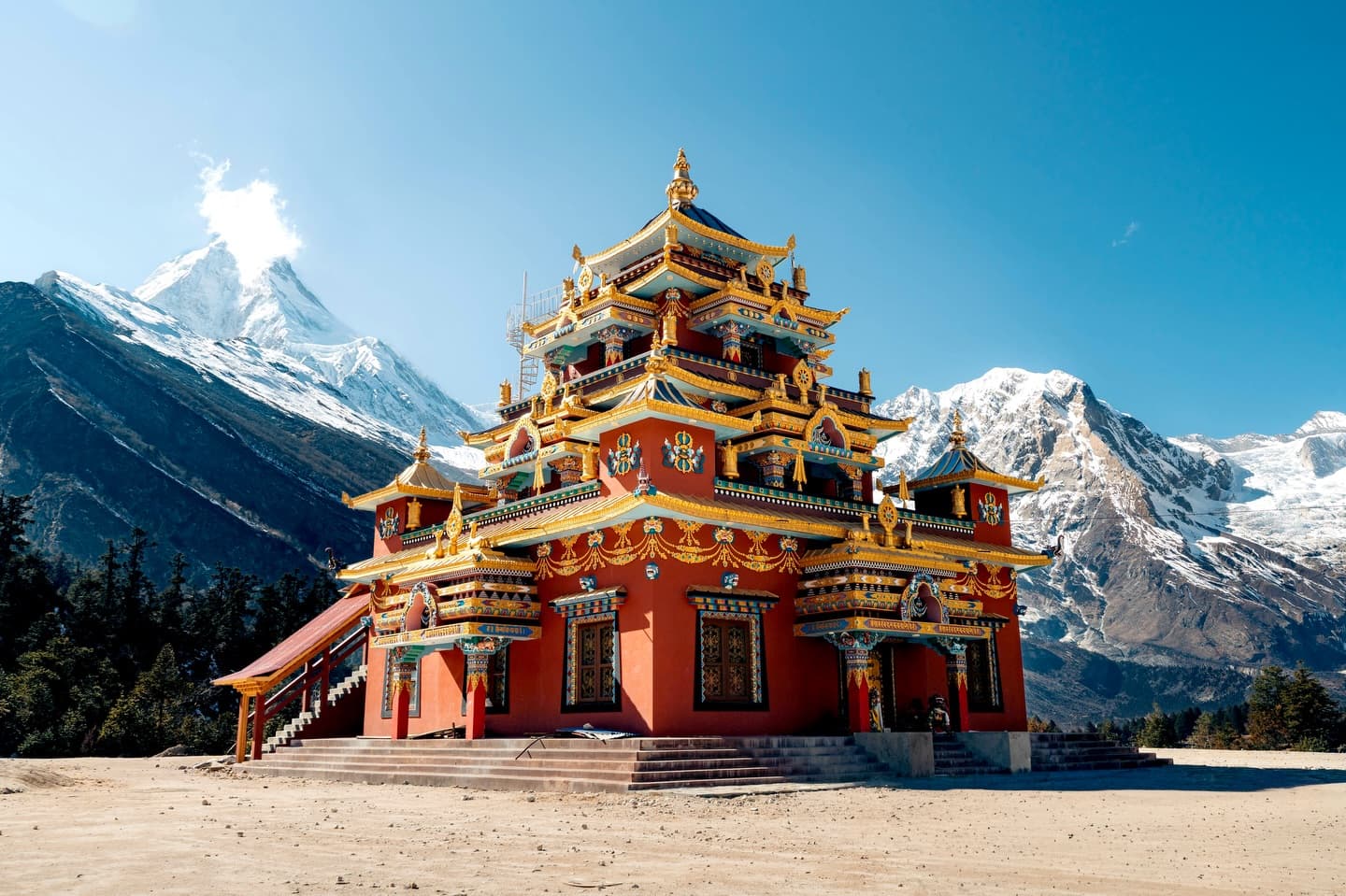
Manaslu Region
The Manaslu Circuit Trek is one of Nepal's most spectacular restricted-area trekking routes.
The trek combines high Himalayan scenery with traditional mountain villages and Tibetan-influenced culture. It is more remote than many of Nepal's established trekking routes and requires appropriate permits and professional planning.
Before traveling, trekkers should confirm the latest trail, road and weather conditions with their trekking agency.
Should You Cancel Your Nepal Trek?
Not necessarily.
If your planned trekking route is operating and has been assessed as suitable for travel, there may be no reason to cancel your trip simply because another part of Nepal has experienced flooding.
However, flexibility is important.
Mountain conditions can change quickly. Travelers should be prepared for possible changes to transportation, accommodation or trekking itineraries.
A responsible trekking company should be able to provide updated information and recommend an alternative route if your original itinerary becomes unsuitable.
Why Travel With a Registered Trekking Company?
When traveling in Nepal after a natural disaster, choosing a registered trekking company and licensed guide is especially important.
A professional trekking company can help with:
- Current trail and road information
- Trekking permits
- Licensed guides
- Porter arrangements
- Accommodation
- Transportation
- Emergency coordination
- Weather and route updates
- Alternative trekking routes when necessary
Avoid relying only on social media posts or outdated information when making decisions about mountain travel.
Conditions in the Himalayas can change rapidly, and information from a few days ago may no longer accurately describe the situation on the ground.
Trek Responsibly After the Floods
Tourism is an important source of income for many communities across Nepal.
Hotels, teahouses, guides, porters, drivers, restaurants, equipment suppliers and local businesses all depend on tourism.
Responsible travel can therefore provide meaningful support to communities that depend on visitors.
But supporting Nepal does not mean ignoring safety.
Travel responsibly, not recklessly.
Choose destinations that are open and appropriate for travel. Respect local advice, follow your guide's instructions and avoid disaster-affected locations until they are officially considered suitable for visitors.
What Should Travelers Check Before Trekking in Nepal?
Before leaving Kathmandu for the mountains, check:
- Current weather conditions
- Road and trail conditions
- Flight and transportation status
- Bridge and trail accessibility
- Local government or authority updates
- Trekking permit requirements
- Your trekking company's latest route assessment
- Emergency and evacuation arrangements
Travelers should also have appropriate travel insurance that covers trekking at the altitude and activities included in their itinerary.
Nepal Needs Responsible Travelers
Natural disasters can cause enormous damage to local communities, but tourism can also play an important role in recovery.
By choosing an operating trekking route, staying in local teahouses, hiring local guides and porters, and purchasing services from local businesses, travelers contribute directly to Nepal's tourism economy.
At the same time, visitors should respect communities that are recovering from disasters and avoid entering areas where rescue, reconstruction or relief operations are still taking place.
Plan Your Nepal Trek With Confidence — But Stay Informed
Nepal is still a remarkable destination for Himalayan adventure.
The recent floods have affected specific areas, but they do not mean that the entire country or every trekking route is closed.
If you are planning to visit Nepal in 2026, the safest approach is to choose your trekking region based on the latest local conditions rather than general headlines.
At Trekadviser, we believe in responsible and transparent travel. Our priority is not simply to take travelers into the mountains; it is to make sure they have the right information, appropriate preparation and professional support throughout their journey.
Whether you are considering the Everest Base Camp Trek, Annapurna Circuit, Annapurna Base Camp, Manaslu Circuit or another Himalayan adventure, contact us before your trip for the latest route information and travel advice.
Nepal is open.
The Himalayas are waiting.
Travel responsibly. 🇳🇵🏔️
Plan your trek with Trekadviser — your fair, trustworthy and responsible travel companion.
Frequently Asked Questions
Is Nepal open for tourists in 2026?
Yes. Nepal remains open to international travelers, and tourism and trekking continue in many parts of the country. Travelers should check current conditions for their specific destination before departure.
Is Nepal safe for trekking after the floods?
Safety depends on the specific trekking region and current conditions. Some areas have been affected by floods and landslides, while other trekking regions may continue operating. Always obtain current local information before starting your trek.
Can I trek to Everest Base Camp in 2026?
Everest Base Camp remains a major trekking destination in Nepal. Travelers should check current weather, transportation and trail conditions before departure.
Is the Annapurna Circuit open?
The Annapurna region is a major trekking destination, but conditions can vary along different sections of the route. Confirm current road and trail conditions before beginning the trek.
Is Manaslu Circuit Trek open?
The Manaslu region is a restricted trekking area requiring appropriate permits and professional arrangements. Current route and weather conditions should be confirmed before departure.
Should I travel to Nepal after the floods?
Travelers can consider visiting Nepal where their chosen destination is operating safely. The responsible approach is to avoid directly affected areas and choose routes based on current local information.
Why should I use a registered trekking company?
A registered trekking company can help arrange permits, licensed guides, transportation, accommodation and emergency support while providing current information about trekking conditions.