

Upon your arrival at Tribhuvan International Airport, our representative will welcome you and transfer you to your hotel in Kathmandu. After checking in, you will have time to rest and recover from your journey. In the evening, we conduct a welcome meeting where you'll meet your expedition leader and fellow climbers. During the briefing, we review the expedition itinerary, discuss climbing logistics, inspect personal equipment, and answer any final questions before the adventure begins.
Dhaulagiri Expedition
Dhaulagiri Region

Trek Starting Point
Marpha

Trek Ending Point
Jomsom

Departure From
Kathmandu

Transportation
Tourist Coach, Domestic flight, Private Vehicle

Style
Expedition / High-altitude mountaineering

Meal
Breakfast, Lunch, Dinner

Accommodation
Tourist standard hotel in Kathmandu, Teahouse during trek, Camping
Overview
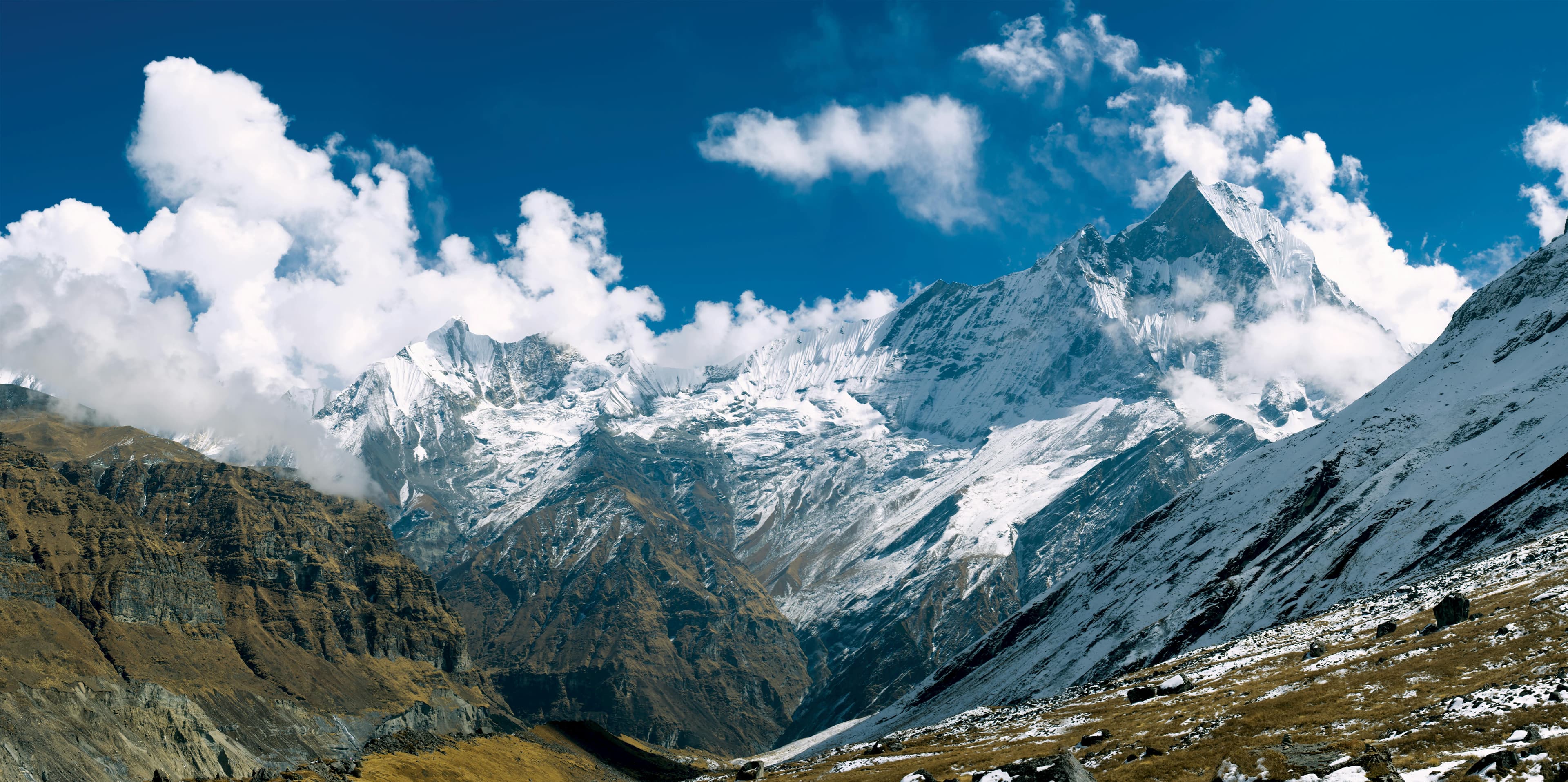
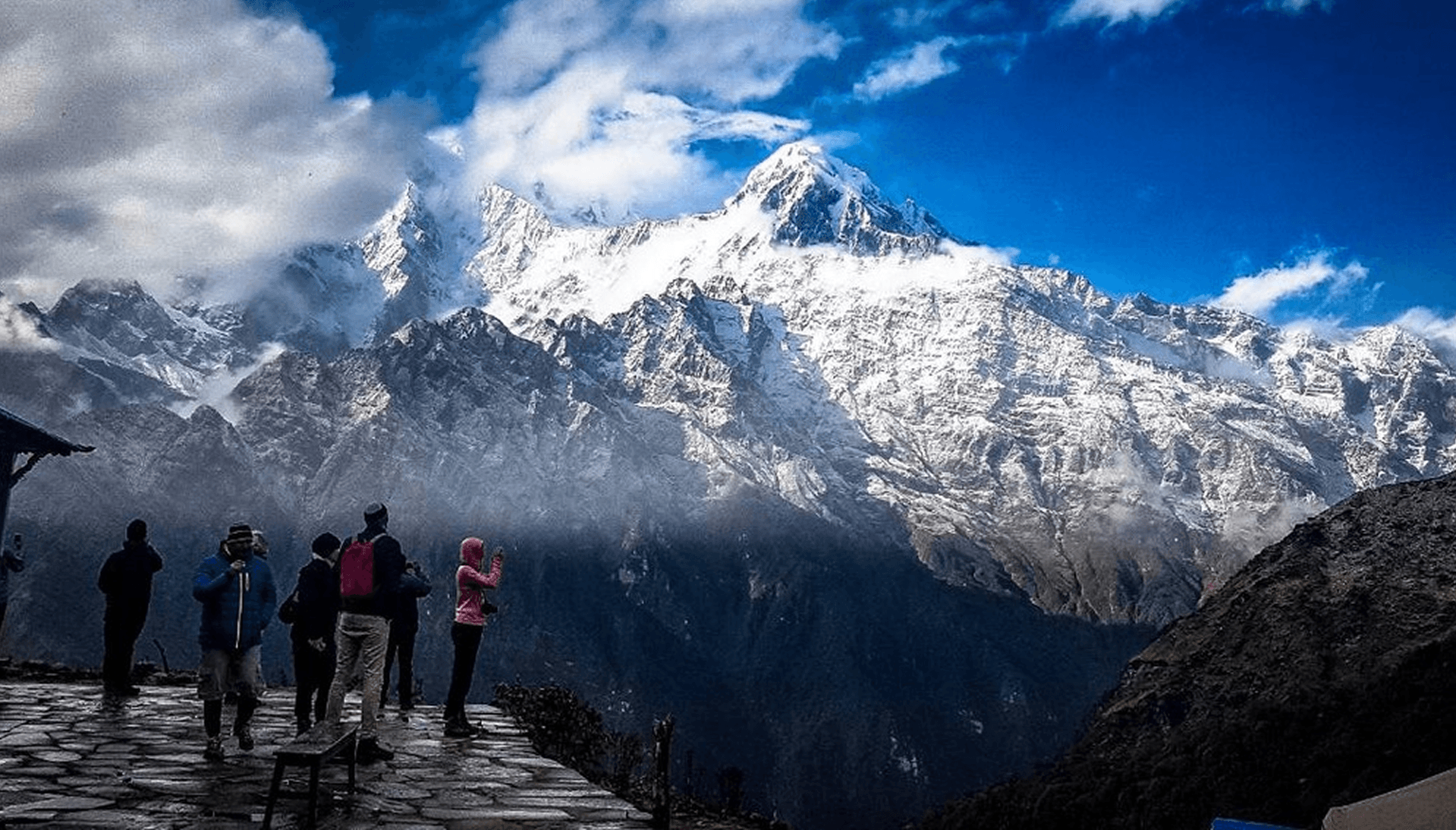
Standing at 8,167 meters, Mount Dhaulagiri I is the seventh-highest mountain in the world and one of the most impressive peaks in the Himalayas. Located in western Nepal, the Dhaulagiri massif rises dramatically above the Kali Gandaki Valley, surrounded by remote landscapes, vast glaciers, and some of the most challenging high-altitude terrain in Nepal.
The name Dhaulagiri comes from the Sanskrit words Dhavala and Giri, meaning “White Mountain,” a fitting description of the enormous snow-covered peak that dominates the surrounding region. Since its first successful ascent in 1960, Dhaulagiri has remained a highly respected objective among experienced mountaineers due to its altitude, technical demands, remote character, and unpredictable Himalayan weather.
Our Dhaulagiri Expedition is designed as a complete 8,000-meter climbing program, combining a carefully planned approach through the remote Mustang region, progressive acclimatization, technical preparation, and a structured summit strategy. The expedition follows a traditional approach route through Marpha, Yak Kharka, Hidden Valley, and Thapa Pass before reaching Dhaulagiri Base Camp, situated beneath the impressive north face of the mountain.
Unlike lower-altitude trekking peaks, climbing Dhaulagiri requires patience, discipline, and careful decision-making. The expedition is not based on a fixed timetable above Base Camp, as conditions on an 8,000-meter mountain can change rapidly. The climbing schedule is adjusted according to weather forecasts, snow conditions, route preparation, and the physical condition of the team. This flexibility is essential for maintaining safety and maximizing the possibility of a successful summit attempt.
After establishing Base Camp, climbers begin a series of acclimatization rotations between Base Camp and the higher camps. These rotations allow the body to gradually adapt to extreme altitude while giving climbers valuable experience on the route. The team moves through a series of camps above Base Camp, carrying essential equipment, supporting route preparation, and becoming familiar with the terrain before the final summit push.
The higher sections of Dhaulagiri involve complex glacial terrain, steep snow slopes, exposed ridges, and extreme altitude. The combination of technical climbing, harsh weather, and the effects of low oxygen makes Dhaulagiri a serious undertaking requiring previous high-altitude experience and strong physical and mental preparation.
Throughout the expedition, our experienced climbing Sherpa team plays an essential role in establishing and maintaining the route, supporting logistics between camps, and assisting climbers throughout the ascent. Their knowledge of Himalayan conditions and high-altitude experience are invaluable components of a safe and organized expedition.
The final summit attempt begins only when conditions are considered favorable. Climbers follow the established route through the higher camps toward the summit of Dhaulagiri at 8,167 meters. Summit day is a long and demanding effort requiring steady pacing, careful judgment, and complete focus. Reaching the summit is only one part of the objective. The safe return of every expedition member remains the highest priority.
Beyond the summit itself, the Dhaulagiri Expedition represents a complete Himalayan experience. From the remote villages of Mustang and the dramatic landscapes of the Hidden Valley to weeks of life at Base Camp and the challenges of climbing above 8,000 meters, the journey demands commitment while offering some of the most rewarding experiences available in modern mountaineering.
Dhaulagiri is not a mountain that can be rushed. It requires respect, preparation, teamwork, and patience. For climbers seeking a true 8,000-meter challenge in one of Nepal’s most spectacular and remote environments, the Dhaulagiri Expedition remains an unforgettable Himalayan adventure.
Climbing Experience and Requirements:
The Dhaulagiri Expedition is designed for climbers with extensive high-altitude experience and a proven background in technical mountaineering. Participants must be proficient in the use of crampons, ice axes, ascenders, and fixed ropes in challenging alpine environments. Previous experience on high-altitude peaks above 6,000 meters, with strong preference for climbs above 7,000 meters, is required. Experience on an 8,000-meter expedition is highly recommended. Climbers must be physically prepared and capable of handling the demanding conditions, long summit days, and extreme altitude associated with Dhaulagiri.
Program Itinerary
Today is dedicated to cultural exploration and final preparations before the expedition begins. After breakfast, we explore some of Kathmandu Valley’s most significant cultural landmarks, offering an opportunity to experience Nepal’s unique blend of ancient traditions, spirituality, and architecture.
Later in the day, attention shifts toward expedition preparation. Our climbing team will conduct a detailed equipment check to ensure all personal and group gear is ready for the high-altitude environment. The expedition leader will provide a comprehensive briefing covering the climbing route, acclimatization strategy, safety procedures, communication systems, and expectations throughout the expedition.
A comprehensive expedition briefing will also be conducted, covering the route, acclimatization strategy, safety procedures, communication systems, and expectations throughout the climb. This preparation ensures every team member begins the expedition well-organized and confident.
After completing the necessary arrangements, we enjoy a final evening in Kathmandu before beginning our journey toward Dhaulagiri. You will spend the night at a hotel in Kathmandu.
After an early breakfast, we leave Kathmandu and begin the scenic drive west toward Pokhara. Although the journey is completed by road, it provides an excellent opportunity to experience Nepal's incredibly diverse landscape before entering the high mountains.
The road follows the Trishuli River for much of the journey, winding through terraced hillsides, traditional farming villages, dense forests, and lively roadside towns. Throughout the drive, snow-covered Himalayan peaks occasionally appear on the northern horizon, offering the first distant glimpses of the mountains we are gradually approaching.
Lunch is usually taken at a local riverside restaurant before continuing toward Pokhara. As we descend into the broad Pokhara Valley, the landscape becomes noticeably greener, with subtropical vegetation surrounding the city.
Pokhara is Nepal's adventure capital and serves as the logistical gateway for many Himalayan expeditions. The peaceful lakeside atmosphere provides a welcome contrast to Kathmandu's busy streets. Upon arrival, there is time to reorganize luggage, rest, or enjoy an evening walk along the shores of Phewa Lake before tomorrow's journey into the remote Mustang region. Overnight stay at a hotel.
Today's drive marks the transition from comfortable roads into the rugged mountain landscapes of western Nepal. Leaving Pokhara behind, we gradually climb into the Kali Gandaki Valley, travelling between the towering Annapurna and Dhaulagiri mountain ranges.
The scenery changes dramatically throughout the day. Dense forests and cultivated hills slowly give way to steep cliffs, barren slopes, and the windswept landscapes typical of the trans-Himalayan region. As the road follows the world's deepest river gorge, towering peaks rise thousands of meters above the valley floor, providing an unforgettable introduction to the scale of the mountains surrounding us.
After several hours of mountain driving, we arrive in the beautiful village of Marpha. Known for its traditional whitewashed houses, cobbled streets, and famous apple orchards, Marpha is one of the most picturesque settlements in the Mustang region.
Tonight's overnight stay also serves an important physiological purpose. Sleeping at 2,600 meters allows the body to begin its gradual adjustment to higher elevations before the trekking portion of the expedition begins. Overnight stay at a teahouse.
Acclimatization begins well before reaching Base Camp, and today's hike plays an important role in preparing our bodies for the higher elevations ahead.
Following breakfast, we make a steady ascent toward the sacred temple complex of Muktinath, one of Nepal's most important pilgrimage destinations for both Hindus and Buddhists. The trail climbs gradually through the dry valleys of Lower Mustang, surrounded by colorful cliffs and expansive Himalayan views.
As altitude increases, climbers are encouraged to maintain a slow, consistent pace while drinking plenty of fluids. The objective is not speed but allowing the body sufficient time to begin adapting to reduced oxygen levels.
After exploring Muktinath and enjoying panoramic views across the Annapurna and Dhaulagiri ranges, we descend back to Marpha for the night. This follows the well-established mountaineering principle of "climb high, sleep low," which remains one of the most effective acclimatization strategies during high-altitude expeditions.
By returning to a lower elevation for the night, the body receives the benefits of altitude exposure while recovering more effectively before continuing higher into the mountains.
Today marks the beginning of our trek into the remote wilderness surrounding Dhaulagiri. Leaving the villages behind, the trail gradually ascends through alpine terrain where human settlements become increasingly scarce.
The landscape changes noticeably as forests begin to thin and wide grazing pastures replace cultivated farmland. Herds of yaks and mountain sheep are commonly seen throughout this region, giving Yak Kharka its name.
As we gain elevation, the air becomes noticeably thinner, and maintaining a comfortable walking rhythm becomes increasingly important. Our guides monitor each climber carefully, encouraging regular hydration and a steady pace rather than rapid progress.
Throughout the day, magnificent views continue to unfold as the surrounding peaks dominate the skyline. Far from the busy trekking routes found elsewhere in Nepal, this section of the journey offers a genuine sense of solitude and wilderness.
Upon arrival at Yak Kharka, we settle into camp and enjoy another peaceful evening beneath the towering Himalayan peaks.
Today's route descends gradually from Hidden Valley before traversing rocky moraine, glacial debris, and sections of broken terrain leading toward Dhaulagiri Base Camp.
Unlike the lush valleys encountered earlier in the journey, the environment here is dominated by ice, rock, and massive glaciers flowing from the upper slopes of Dhaulagiri. Every step reminds us that we have entered true expedition terrain.
Upon arrival, Base Camp is already established with comfortable dining tents, kitchen facilities, communication equipment, solar power systems, and individual sleeping tents. For the coming weeks, this camp will become both our operational headquarters and our temporary home.
The remainder of the day is spent organizing personal equipment, settling into camp life, and reviewing the climbing schedule with the expedition leader.
After establishing Dhaulagiri Base Camp, the expedition enters the most important and strategic phase of the climb. Unlike the approach trek, where the itinerary can follow a relatively fixed schedule, activities above Base Camp must remain flexible and are determined by several factors, including weather conditions, snow stability, route accessibility, the progress of the fixing team, and the physical condition of each climber.
During this period, our primary objective is to allow every team member to acclimatize properly while preparing for the summit attempt. On an 8,000-meter mountain like Dhaulagiri, reaching the summit is not simply a matter of strength and endurance; careful acclimatization, patience, teamwork, and decision-making play an equally important role.
The expedition follows a series of planned acclimatization rotations between Base Camp and the higher camps. These rotations allow climbers to gradually expose their bodies to extreme altitude while becoming familiar with the route, climbing techniques, and conditions of the mountain.
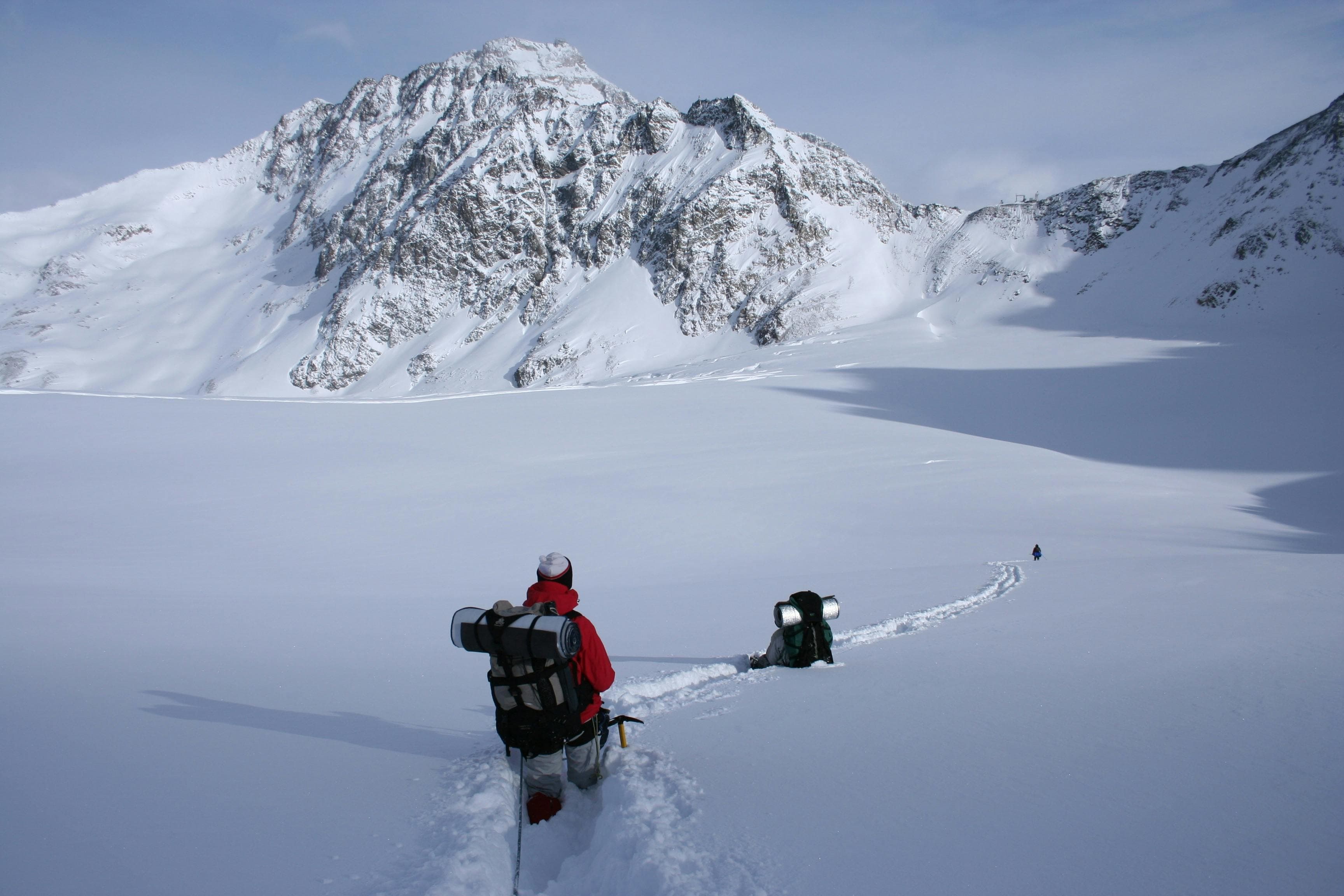
The first rotations focus on movement above Base Camp, glacier travel, and carrying essential equipment to establish and strengthen the higher camps. The route involves technical glacier terrain, crevassed sections, steep snow slopes, and exposed sections where climbers must use fixed ropes and climbing equipment. Each movement above Base Camp is carefully planned according to current mountain conditions.
As acclimatization progresses, climbers move higher through the established camps, including Camp I and Camp II, and may make a rotation toward Camp III if conditions allow. Spending time at higher elevations helps the body adapt to reduced oxygen levels while allowing climbers to understand the demands of the upper mountain before the final summit attempt.
Throughout this phase, our Sherpa climbing team plays a crucial role in expedition preparation. They work continuously to establish and maintain the climbing route, fix ropes, transport loads, stock higher camps with essential supplies, and evaluate changing conditions on the mountain. Their experience and knowledge of high-altitude environments are fundamental to the success and safety of the expedition.
Between rotations, climbers return to Base Camp for recovery and preparation. These rest periods are not simply days of waiting; they are an essential part of the expedition strategy. Time at Base Camp is used for proper hydration, nutrition, equipment maintenance, weather updates, and physical recovery before the next movement above.
Weather plays a major role throughout this period. Dhaulagiri is known for its unpredictable conditions, and the team may need to adjust the schedule according to snowfall, high winds, avalanche risk, or changing forecasts. Maintaining flexibility and respecting the mountain's conditions are key principles of successful Himalayan climbing.
The expedition leader and Sherpa team continuously monitor weather forecasts and route conditions to identify the safest possible summit window. Once the team is fully acclimatized, the route is prepared, and favorable weather conditions are forecast, preparations begin for the final summit push.
After completing acclimatization rotations and waiting for a suitable weather window, the expedition enters its final and most demanding phase-the summit push.
The exact timing of the summit attempt depends entirely on mountain conditions. The team begins the climb only when weather forecasts, route conditions, and the physical readiness of climbers indicate a reasonable opportunity for a safe ascent. On an 8,000-meter peak, patience is essential, and rushing during unfavorable conditions can create unnecessary risks.
The summit rotation begins from Base Camp, moving through the established camps toward the upper mountain. Climbers follow the fixed-line route established by the expedition team, carrying only essential equipment required for the final ascent. The pace remains controlled and steady, allowing the body to conserve energy for the highest sections of the climb.
From the higher camps, the environment becomes increasingly demanding. Extreme altitude, freezing temperatures, strong winds, and reduced oxygen levels make every movement slower and more physically demanding. Climbers must maintain focus, follow the guidance of the expedition leader and Sherpa team, and carefully manage their energy throughout the ascent.
The summit day is the defining moment of the expedition. Departing during the early hours, climbers make their way toward the summit of Dhaulagiri at 8,167 meters, one of the highest and most challenging mountains in the world. The final climb requires determination, patience, and careful decision-making, as reaching the summit is only one part of the journey,the safe return remains the ultimate objective.
After reaching the summit, climbers begin their descent while conditions are still manageable. Depending on timing, weather, and individual strength, the team may descend to a higher camp for rest or continue lower toward Base Camp. The expedition leader makes decisions based on safety rather than schedule, ensuring that every member has the best possible chance of returning safely.
Once back at Base Camp, the team celebrates the completion of the climb while beginning preparations for departure. Equipment is organized, camps are dismantled, and the expedition transitions from climbing mode back into the return journey.
The summit of Dhaulagiri is not achieved by a single moment on the mountain, but through weeks of preparation, teamwork, patience, and respect for the environment. Every member of the expedition contributes to the success of the journey, from the first steps toward Base Camp to the final descent.
After completing the summit attempt and concluding our activities at Dhaulagiri Base Camp, we begin our return journey toward lower elevations. The descent marks an important transition after several weeks spent in one of the most demanding environments on Earth.
Leaving Base Camp behind is often a memorable moment for every expedition member. The camp that served as our home, meeting point, and operational center for many weeks is carefully packed down, and equipment is organized for transportation back through the valley.
The trail retraces sections of our approach route, passing through the rugged landscapes surrounding the Dhaulagiri massif. As we descend, the increase in oxygen becomes noticeable, and the body gradually begins to recover from the effects of prolonged exposure to high altitude.
Today's trek is also an opportunity to appreciate the landscape from a different perspective. After weeks of focusing on climbing objectives, weather forecasts, and mountain conditions, climbers can finally enjoy the surrounding Himalayan scenery at a more relaxed pace.
We reach Yak Kharka in the afternoon and settle into camp, enjoying the comfort of being back in a lower-altitude environment.
Our final trekking day continues through the beautiful Kali Gandaki Valley, gradually returning us to the villages and landscapes of the Mustang region.
The trail passes through familiar terrain, including traditional settlements, mountain pastures, and the picturesque village of Marpha. After spending weeks surrounded by glaciers, ice, and high mountain camps, returning to villages with permanent homes and local communities provides a welcome change.
Marpha offers an opportunity to enjoy a more comfortable environment and experience the hospitality of the Mustang region once again. From here, we continue toward Jomsom, an important trading center and gateway between the Annapurna and Mustang areas.
Upon reaching Jomsom, climbers can enjoy a well-earned rest after completing the expedition phase. The evening is often a time for the team to reflect on the journey, share experiences, and celebrate the achievement of climbing one of the world's highest mountains.
Weather permitting, we take a scenic morning flight from Jomsom to Pokhara. The flight follows the Kali Gandaki corridor, passing between some of the highest peaks in Nepal, including the Annapurna and Dhaulagiri ranges.
This short flight provides a spectacular final view of the mountains that have been our focus for the past several weeks. Seeing the massive Himalayan landscape from the air offers a different perspective and allows climbers to appreciate the scale of the environment they have just experienced.
After arriving in Pokhara, the team transfers to the hotel and returns to a more comfortable setting. A hot shower, a proper bed, and a relaxed afternoon by Phewa Lake are small but meaningful rewards after weeks of expedition life.
The evening can be spent enjoying dinner together and celebrating the completion of the Dhaulagiri journey.
After breakfast, we begin the return drive to Kathmandu. The journey follows the familiar highway through Nepal's countryside, passing rivers, terraced farmland, and hillside communities.
This drive provides a final opportunity to observe the diversity of Nepal's landscapes, from the high Himalayan environment we have just left to the warmer valleys surrounding Kathmandu.
Upon arrival in Kathmandu, climbers return to the comfort of the hotel and have free time to rest, explore the city, or purchase souvenirs. The evening may include a farewell dinner where the expedition team gathers to celebrate the shared experience and reflect on the challenges and achievements of the climb.
This final day in Kathmandu is kept flexible as a contingency day in case unexpected weather, route conditions, or flight delays affect the expedition schedule.
If the extra day is not required, climbers can enjoy Kathmandu at their own pace. Options include visiting historical landmarks, exploring local markets, relaxing in cafés, or purchasing traditional Nepalese handicrafts and souvenirs.
For many climbers, this final day provides time to reflect on the entire expedition,from the first preparations in Kathmandu, through the approach trek, weeks at Base Camp, high-altitude rotations, and the summit attempt of Dhaulagiri.
The expedition officially concludes with unforgettable memories, new friendships, and the experience of standing on one of the world's highest and most demanding mountains.
Today marks the official conclusion of the Dhaulagiri Expedition. After breakfast, our team will assist with your transfer to Tribhuvan International Airport according to your scheduled flight time.
As the expedition comes to an end, we take a moment to reflect on the incredible journey we have shared,from the initial preparations in Kathmandu, through the remote valleys of the Dhaulagiri region, the challenges of high-altitude climbing, and the unforgettable experience of standing beneath one of the world's highest mountains.
The friendships, teamwork, and memories created throughout the expedition remain as important as the summit itself. Each member leaves Nepal with a deeper appreciation for the Himalayas, the mountain environment, and the commitment required to undertake an 8,000-meter expedition.
Our team bids farewell and wishes you a safe journey home. We hope to welcome you again for another Himalayan adventure in the future.
Cost Includes
- Airport Pick-up and drop Service
- Hotel Accommodation in Kathmandu (twin sharing basis) with breakfast
- Private transfer between Kathmandu-Pokhara-Marpha and Pokhara-Kathmandu
- Jomsom to Pokhara flight transfer for climbing members
- Guided tour of Kathmandu valley with an experienced tour guide
- Sightseeing charges and Entry fees
- Accommodation during the trek (teahouse / guesthouse / homestay)
- All meals during the trek (Breakfast, Lunch, Dinner)
- 1:1 experienced private climbing Sherpa guide for climbing support
- Local government Entry Permit of Rs. 2000 (started in 2018)
- Insurance of the Sherpa guide and Porter
- Climbing Permit to climb Mt. Dhaulagiri from the Department of Tourism
- Mt. Dhaulagiri expedition permit (Royalty for member)
- Annapurna Conservation Area Project Permit
- TIMS (Trekkers’ Information Management System) Trekking Permit Card
- Medical kits carried by the guide
- All necessary paper works, office service charge and all Government Taxes
Optional Add-ons
- Airport transfer upgrade
- Private porter support
- Extra acclimatization day
Cost Excludes
- Travel insurance (Mandatory: Should include emergency evacuation coverage while trekking up to 5500+ m)
- Summit bonus to your private Sherpa Guide for the summit push (a minimum of US$ 1,500.00)
- Tips to Base Camp Staffs is Mandatory; a miminum of US$ 300 per member for the kitchen team
- International airfare and Visa costs (you can get Visa upon arrival at the airport)
- Personal interest items or gears
- Tips to guide / driver / porter
- Beverage and Drink Items / Other Extra facilities like hot shower during trek
- Any other expenses which are not mentioned in “What’s Included” section