

Arrival at Tribhuwan International Airport. Our Staff member meets you and transfers you to the hotel.
Overnight at the hotel.
Annapurna Region

Trek Starting Point
Chame

Trek Ending Point
Jomsom

Departure From
Kathmandu

Transportation
Tourist Coach, Domestic flight, Private Vehicle

Style
Expedition / High-altitude mountaineering

Meal
Breakfast, Lunch, Dinner

Accommodation
Tourist standard hotel in Kathmandu, Teahouse during trek, Camping
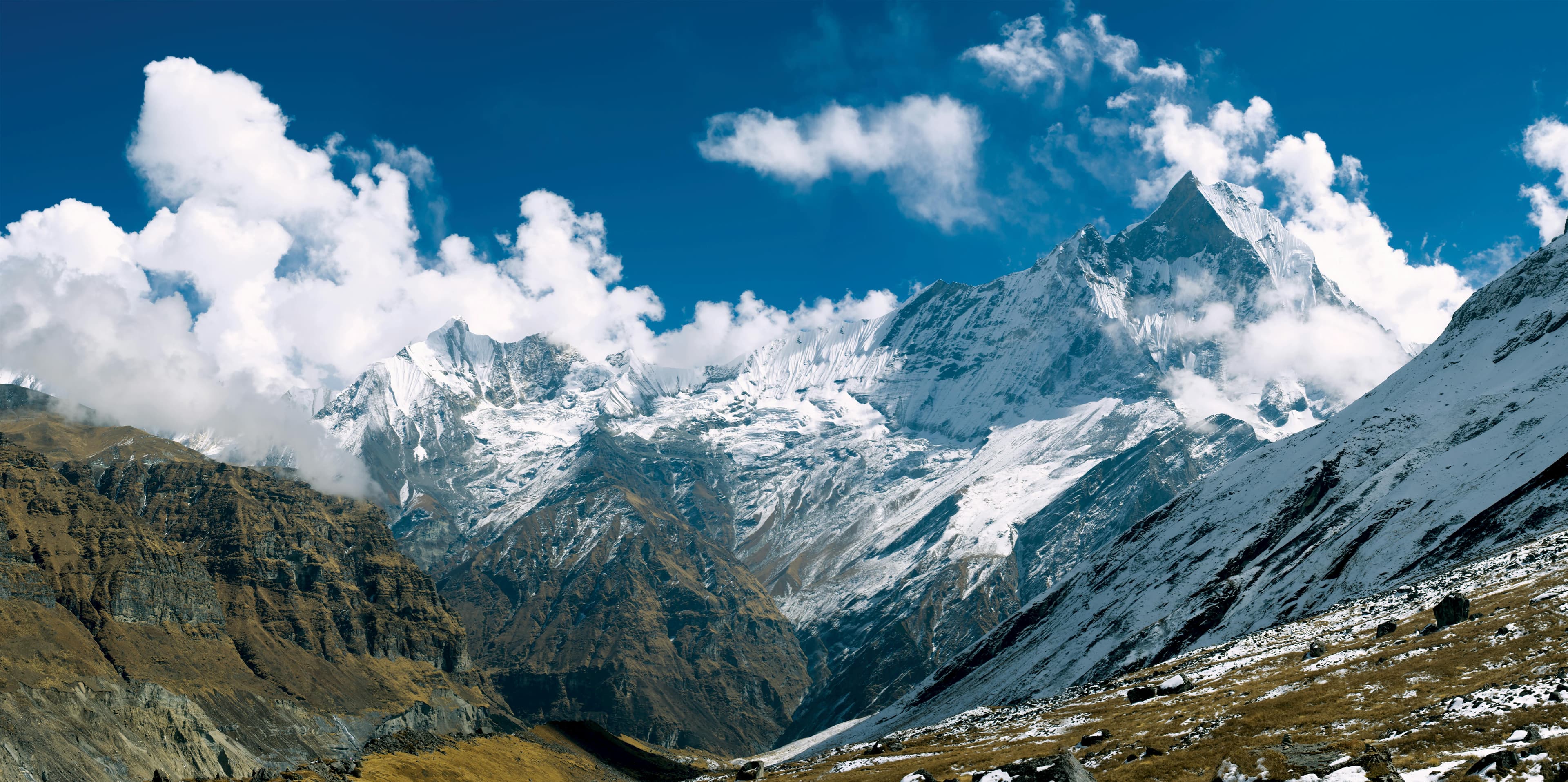
The Mt. Gangapurna Expedition (7,455 m / 24,458 ft) is a demanding Himalayan mountaineering expedition in Nepal’s Annapurna region. Rising above the Manang Valley, Gangapurna forms part of the Annapurna massif and stands between Annapurna III and Tilicho Peak. Its striking summit, steep faces, glaciers, and high-altitude terrain make it a serious objective for experienced mountaineers looking to climb a less crowded 7,000-meter peak in the heart of the Himalayas.
The expedition begins with the approach through the Annapurna region, following the Marsyangdi Valley toward Manang. The journey through villages, alpine valleys, and increasingly rugged mountain terrain provides a gradual transition into the high-altitude environment. From Manang, the route continues toward the Gangapurna area and the climbing base camp, where the expedition shifts from trekking to technical mountaineering.
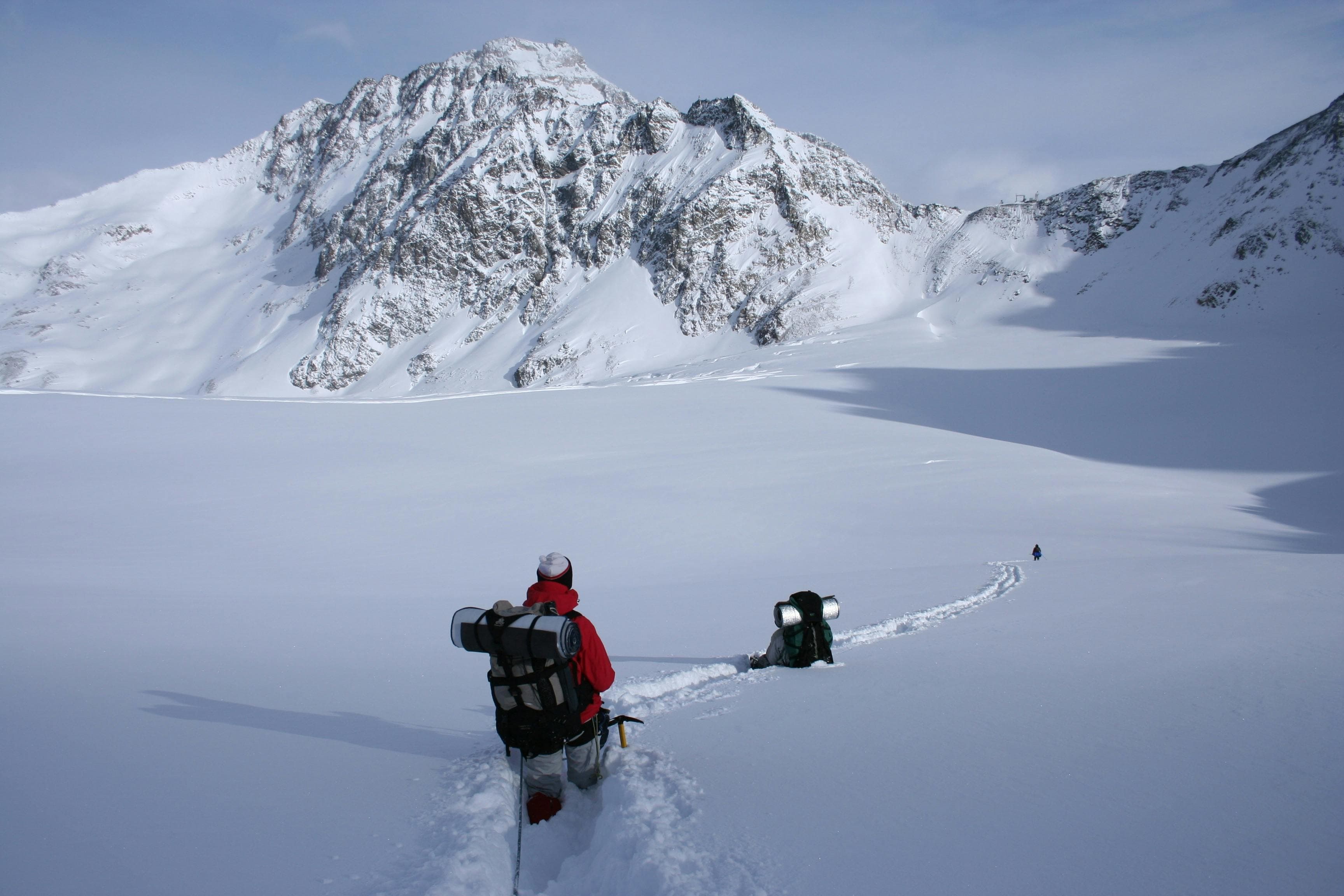
At base camp, the team begins a period of acclimatization, route preparation, and climbing training before moving progressively to higher elevations. The ascent involves glacier travel, steep snow and ice, fixed-rope sections, exposed terrain, and high-altitude climbing, with the exact climbing strategy depending on current route and mountain conditions. Climbers need to be comfortable working on technical terrain and capable of making sound decisions in an environment where weather and snow conditions can change quickly.
The expedition is planned around gradual acclimatization and carefully managed rotations between base camp and the higher camps. Once the team is properly acclimatized and a suitable weather window is available, the summit attempt begins. Reaching 7,455 meters requires sustained effort, good physical conditioning, technical competence, and the ability to remain focused during long days in extreme altitude. Summit plans remain dependent on weather, route conditions, and the condition of the climbing team.
After the summit attempt, the team descends safely back to base camp before retracing the approach route through the Manang Valley. The expedition then concludes with the return to Kathmandu.
The Gangapurna Expedition is intended for experienced climbers seeking a genuine 7,000-meter Himalayan objective away from the more heavily traveled routes of the Everest region. It combines technical climbing, high-altitude expedition skills, and the remote mountain environment of the Annapurna Himal. With careful preparation, experienced leadership, and respect for the mountain, Gangapurna offers a demanding and rewarding mountaineering experience in one of Nepal’s most spectacular regions.
Historical Significance:
Mt. Gangapurna was first successfully climbed on May 6, 1965, by a German expedition led by Günter Hauser, marking an important achievement in the history of Himalayan mountaineering. The summit was reached via the mountain’s challenging south face and east ridge, following a difficult ascent that tested the expedition team’s technical ability, endurance, and determination. Rising to 7,455 meters, Gangapurna stands prominently in the Annapurna massif above the Manang Valley and is recognized for its steep faces, glaciers, and demanding high-altitude terrain. At the time of its first ascent, Gangapurna was considered one of the significant unclimbed 7,000-meter peaks of the Himalayas. The pioneering 1965 ascent established Gangapurna as a serious mountaineering objective and continues to form an important part of the mountain’s climbing history.
Climbing Experience and Requirements
The Gangapurna Expedition is designed for experienced mountaineers with previous high-altitude climbing experience who are prepared for the physical and technical demands of a 7,455-meter Himalayan peak. Climbers should be confident using essential mountaineering equipment, including crampons, ice axes, climbing harnesses, ascenders, and fixed ropes, and should have experience moving safely on glaciers, steep snow, and icy terrain.
Previous experience on 6,000-meter peaks is strongly recommended, with experience on a 7,000-meter peak considered a significant advantage. Climbers should have a good understanding of glacier travel, rope techniques, crevasse safety, fixed-line climbing, and high-altitude camp routines. The ability to remain efficient and make sound decisions while working at altitude is equally important.
Strong physical conditioning and mental resilience are essential. Participants should be prepared for long climbing days, cold temperatures, steep and exposed sections, and the effects of extreme altitude. Gangapurna is a serious expedition objective, and successful climbing requires careful preparation, teamwork, patience, and respect for changing mountain and weather conditions.
Why Choose Mt. Gangapurna Expedition with TrekAdviser Pvt. Ltd?
Expert Guidance: Led by experienced mountaineers who ensure your safety and success on the climb.
Comprehensive Support: From base camp logistics to high-altitude acclimatization, we provide all necessary support to make your expedition seamless.
Cultural Encounters: Engage with the local culture and communities, enhancing your trekking experience with meaningful interactions.
Join Us:
Take on the Mt. Gangapurna Expedition with TrekAdviser Pvt. Ltd. and experience the challenge of climbing one of Nepal’s distinctive 7,000-meter Himalayan peaks. Rising to 7,455 meters, Gangapurna offers a demanding combination of technical climbing, glaciers, steep snow and ice, and high-altitude terrain surrounded by the spectacular landscapes of the Annapurna region. Our expedition is designed for experienced climbers, with careful planning, experienced leadership, and a strong focus on safety throughout the journey. Join us for a serious Himalayan mountaineering experience and the opportunity to climb Gangapurna in the heart of the Annapurna massif.
Arrival at Tribhuwan International Airport. Our Staff member meets you and transfers you to the hotel.
Overnight at the hotel.
After breakfast at the hotel, our expedition guide will meet you for a detailed briefing about the Baruntse Expedition, covering the itinerary, climbing schedule, safety procedures, equipment requirements, acclimatization plan, and other important preparations. Our team will also assist you with the necessary expedition permits, documentation, and formalities.
Following the briefing, we will explore the cultural heritage of the Kathmandu Valley with a sightseeing tour of UNESCO World Heritage Sites, including Boudhanath Stupa, one of the largest Buddhist stupas in the world, and Swayambhunath Stupa, popularly known as the Monkey Temple. This provides an opportunity to experience the rich cultural and spiritual heritage of Nepal before beginning the expedition.
In the afternoon, you will have time to check and organize your climbing and expedition equipment, purchase or rent any remaining gear, and make final preparations for the journey to the Baruntse region. Our expedition team will be available to assist with equipment checks and ensure you are fully prepared for the adventure ahead. Overnight at the hotel in Kathmandu.
After breakfast, we leave Kathmandu and drive towards Besisahar, the main gateway to the Annapurna region. The road follows the Trishuli River for part of the journey before continuing towards the Marsyangdi Valley. Along the way, we pass through small towns, traditional villages, terraced hillsides, and green countryside, with the landscape gradually becoming more mountainous as we move closer to Besisahar.
We will stop for lunch at a local restaurant along the way before continuing our journey. The drive offers a good introduction to rural Nepal, with rivers, waterfalls, suspension bridges, and views of the surrounding hills and mountains. By late afternoon, we arrive in Besisahar (760 m), where we check into our hotel and have time to rest and prepare for the journey into the higher mountains.
Overnight stay at a hotel in Besisahar.
Leaving Besisahar, we continue deeper into the Marsyangdi Valley towards Chame, following the river through increasingly rugged mountain terrain. The road passes through small villages, waterfalls, suspension bridges, and steep hillsides, with the landscape changing as we gain altitude. The surrounding mountains become more prominent, and the cooler climate marks our gradual transition into the higher Annapurna region.
The drive takes around 5–6 hours, depending on road and weather conditions. We reach Chame (2,670 m), the administrative center of Manang District, where we settle into our accommodation and have time to rest and explore the village. The afternoon can be spent enjoying the mountain surroundings and preparing for the trekking days ahead. Overnight stay at a teahouse.
The trek begins from Chame, following the Marsyangdi River through a beautiful stretch of pine and fir forest. The trail gradually climbs through Bratang and continues towards the dramatic Paungda Danda rock face, one of the most impressive landmarks along the route. As we move higher, the valley becomes narrower and the surrounding peaks begin to rise more prominently around us.
Continuing along the trail, we cross through the changing mountain landscape before reaching Upper Pisang (3,300 m). The village sits beneath impressive Himalayan peaks and offers a good opportunity to experience the traditional mountain environment of the Manang region. We settle into our teahouse and take time to rest and acclimatize to the increasing altitude.
Today we continue towards Manang, taking the scenic upper trail through the drier landscapes of the upper Marsyangdi Valley. The route climbs gradually through Ghyaru and Ngawal, passing traditional stone-built villages, old monasteries, and open mountain slopes with impressive views of Annapurna II, Annapurna III, Annapurna IV, Gangapurna, and Tilicho Peak.
From Ngawal, the trail gradually descends and joins the valley leading towards Manang (3,540 m). The change in landscape becomes more noticeable as we move into the rain-shadow area of the Annapurna range, with dry hills and dramatic mountain scenery surrounding the trail. Upon reaching Manang, we check into our teahouse and have time to rest and prepare for the higher-altitude days ahead. Overnight stay at a teahouse.
Today is dedicated to acclimatization in Manang, an essential step in preparing for the higher elevations ahead. Rather than remaining inactive, we take a short acclimatization hike to one of the nearby viewpoints, such as Gangapurna Lake or Chongkor Viewpoint, enjoying magnificent views of the Annapurna range and the surrounding glaciers.
The remainder of the day is free to explore Manang village, visit local monasteries, or relax while allowing the body to adjust to the altitude. Proper acclimatization greatly improves comfort and safety as we continue deeper into the Himalayas. Overnight stay at a teahouse.
Leaving Manang, we head towards the Gangapurna area and gradually leave the main Annapurna Circuit trail behind. The route takes us through increasingly rugged alpine terrain, with the landscape becoming drier and more open as we gain altitude. Along the way, we have impressive views of Gangapurna, Annapurna III, Annapurna IV, and the surrounding peaks, while the Gangapurna Glacier becomes more prominent ahead.
As we approach Gangapurna Base Camp (4,650 m), the character of the journey changes from trekking to expedition climbing. The higher altitude and colder conditions require a steady pace and careful attention to acclimatization. Once at base camp, we settle into our accommodation, check our climbing equipment, and prepare for the acclimatization and climbing period ahead.
The climbing period begins at Gangapurna Base Camp, where the team settles into the expedition routine and prepares for the ascent. The first part of this period is focused on acclimatization, route preparation, and technical training. The team gradually moves to higher elevations through planned rotations, allowing the body to adapt to the changing altitude while also becoming familiar with the climbing terrain. Rest days are included between rotations to allow for recovery and to monitor each climber's response to the altitude.
As acclimatization progresses, the team moves higher towards the established climbing camps, carrying out further rotations and preparing for the more demanding sections of the route. The ascent involves glacier travel, steep snow and ice, fixed-rope sections, and exposed high-altitude terrain. The pace and climbing schedule remain flexible throughout this period, as weather, route conditions, snow and ice stability, and the condition of the team can all influence the progress of the expedition.
Once the team is properly acclimatized and a suitable weather window is available, we prepare for the summit attempt on Gangapurna (7,455 m). The summit push requires long hours of climbing in extreme altitude and demanding terrain, followed by a careful descent through the higher camps. After completing the summit attempt, the team returns to Gangapurna Base Camp, where we rest, organize our equipment, and prepare to leave the mountain and begin the descent towards the Annapurna region.Overnight at Expedition Camps.
With the climbing period complete, we spend the morning packing our equipment and cleaning Gangapurna Base Camp, ensuring that all waste and expedition materials are properly removed before leaving the mountain. Once Base Camp is cleared, we begin our descent through the alpine landscape, retracing part of our approach route towards Khangsar.
The trail gradually drops into lower and more sheltered terrain as we leave the high-altitude environment behind. We reach Khangsar (3,743 m), a traditional mountain village with stone houses and impressive views of the surrounding peaks. After settling into the teahouse, the rest of the day is available to rest and recover after the demanding climbing period. Overnight stay at a teahouse.
Leaving Khangsar, we continue along the upper section of the Annapurna Circuit towards Thorong Phedi, following the trail through the rugged landscape of the Manang Valley. The route gradually climbs through dry alpine terrain, with barren hillsides and impressive views of the surrounding Himalayan peaks. As we gain altitude, the vegetation becomes increasingly sparse and the landscape takes on the character of the high Himalayas.
We continue at a steady pace, allowing plenty of time to adjust to the increasing altitude before reaching Thorong Phedi (4,420 m), the main staging point for the crossing of Thorong La Pass. After settling into the lodge, the remainder of the day is spent resting, hydrating, and preparing for the early start and challenging pass crossing ahead. Overnight stay at a teahouse.
We make an early start from Thorong Phedi for the ascent towards Thorong La Pass (5,416 m). The trail climbs steadily over rocky and barren terrain, and the increasing altitude makes the climb progressively more demanding. We maintain a slow and steady pace, allowing enough time for rest along the way as we make our way towards the pass.
Reaching the top of Thorong La is one of the major highlights of the journey. At 5,416 meters, the pass offers wide views of the surrounding Himalayan landscape and the valleys on both sides. After spending some time at the pass, we begin the long descent towards Muktinath, following the trail through the dry and rugged landscape of the Mustang region.
The descent continues through increasingly lower terrain until we reach Muktinath (3,800 m), an important pilgrimage site for both Hindus and Buddhists. After the demanding day, we check into our accommodation and have time to rest and recover while enjoying the peaceful surroundings of this historic mountain settlement. Overnight stay at a teahouse lodge.
Before leaving Muktinath, we take some time to visit the Muktinath Temple, one of the most important pilgrimage sites in Nepal and a sacred place for both Hindus and Buddhists. The temple complex, with its natural springs and 108 water spouts, is set against the dramatic landscape of the Mustang region and offers a meaningful cultural experience before we continue our journey.
After the visit, we begin the trek towards Jomsom, following the trail through the dry and windswept landscapes of the Kali Gandaki Valley. Along the way, we pass through traditional villages and enjoy views of the surrounding barren hills and snow-capped peaks. We eventually reach Jomsom (2,720 m), an important town and transportation hub in the Mustang region, where we check into our accommodation and have time to rest. Overnight stay at a teahouse lodge.
We take an early morning flight from Jomsom to Pokhara, enjoying spectacular views of the Annapurna and Dhaulagiri ranges along the way. The short flight follows the Kali Gandaki Valley and offers a final look at the rugged landscapes of Mustang before descending towards the greener surroundings of Pokhara.
Upon arrival in Pokhara, we transfer to our hotel and have the remainder of the day to rest and relax after the long mountain journey. Depending on the flight schedule and weather conditions, there may be time to explore the lakeside area or simply enjoy a well-earned rest in the city. Overnight stay at a teahouse lodge.
After breakfast in Pokhara, we begin our drive back to Kathmandu, marking the final leg of the journey. The road follows the scenic Prithvi Highway, winding alongside rivers, terraced hillsides, and small roadside settlements that reflect everyday life in rural Nepal. Along the way, we pass through bustling highway towns and enjoy changing views of green valleys and distant hills.
We stop en route for lunch at a local restaurant before continuing towards the capital. As we approach Kathmandu, the landscape gradually becomes more urban, signaling our return to the city after days spent in the Himalayas. Upon arrival in Kathmandu, we transfer to the hotel. The rest of the day is free for rest, last-minute shopping, or exploring the city at leisure. Overnight stay at a hotel.
Alternatively: You can take domestic flight from Pokhara to Kathmandu, which takes approximately 30 minutes. The one way flight ticket cost around USD per person. We can also assist in arranging and reserving the flight for you. Please lets us know if you would like us to proceed.
Today marks the end of your Gangapurna Expedition and your journey through the Annapurna region. Depending on your flight schedule, you will have some free time in Kathmandu before being transferred to Tribhuvan International Airport for your onward journey. The airport transfer will be arranged according to your flight time to ensure a smooth and comfortable departure from Nepal.
As you leave Nepal, you take with you memories of the Gangapurna Expedition, the Annapurna landscapes, the challenges of high-altitude climbing, and the experiences shared along the way. We hope your time in the Himalayas has been rewarding and that the friendships and memories made during the expedition will stay with you long after you return home.
We wish you a safe journey home and look forward to welcoming you back to Nepal for another Himalayan adventure.