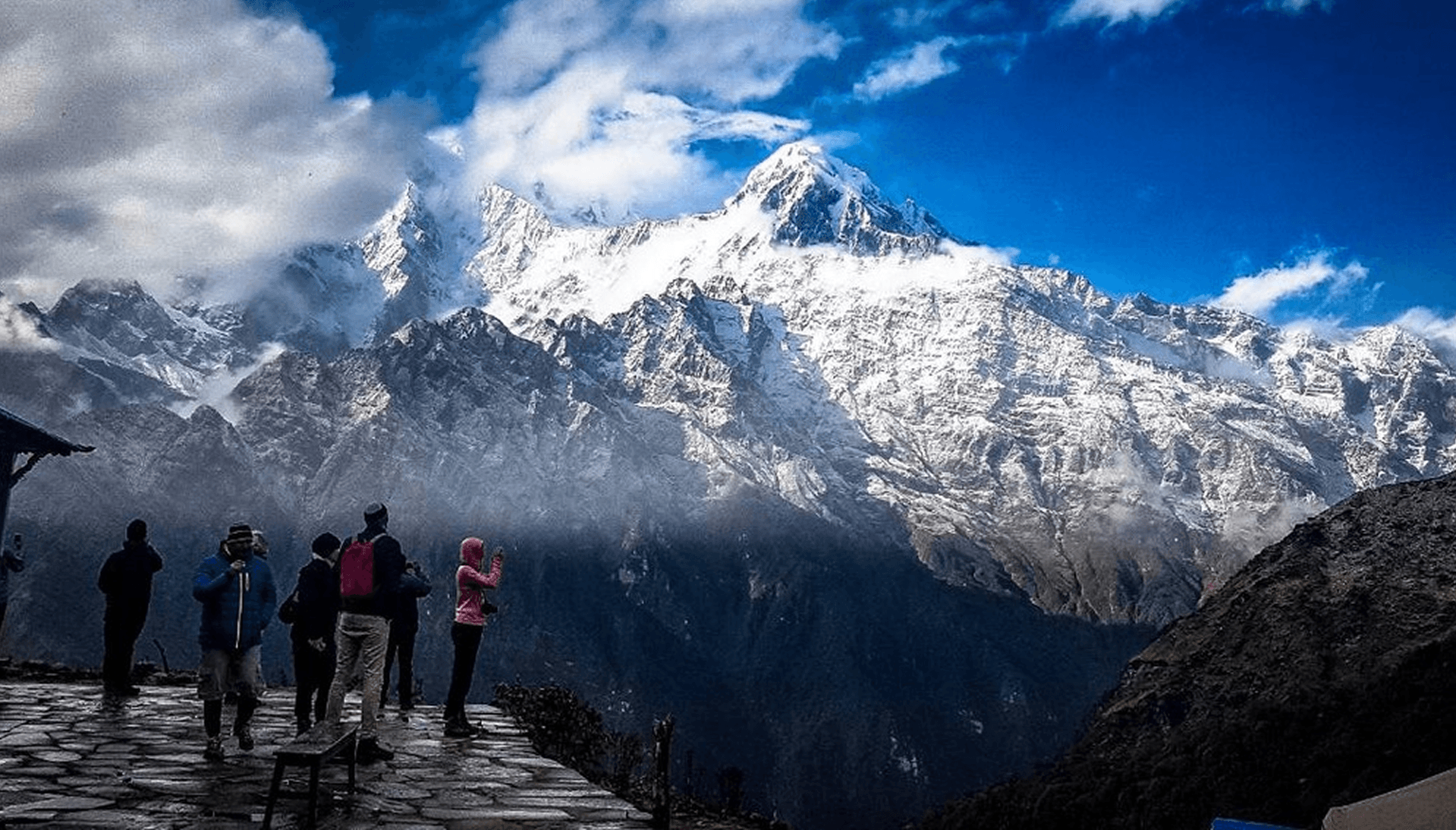
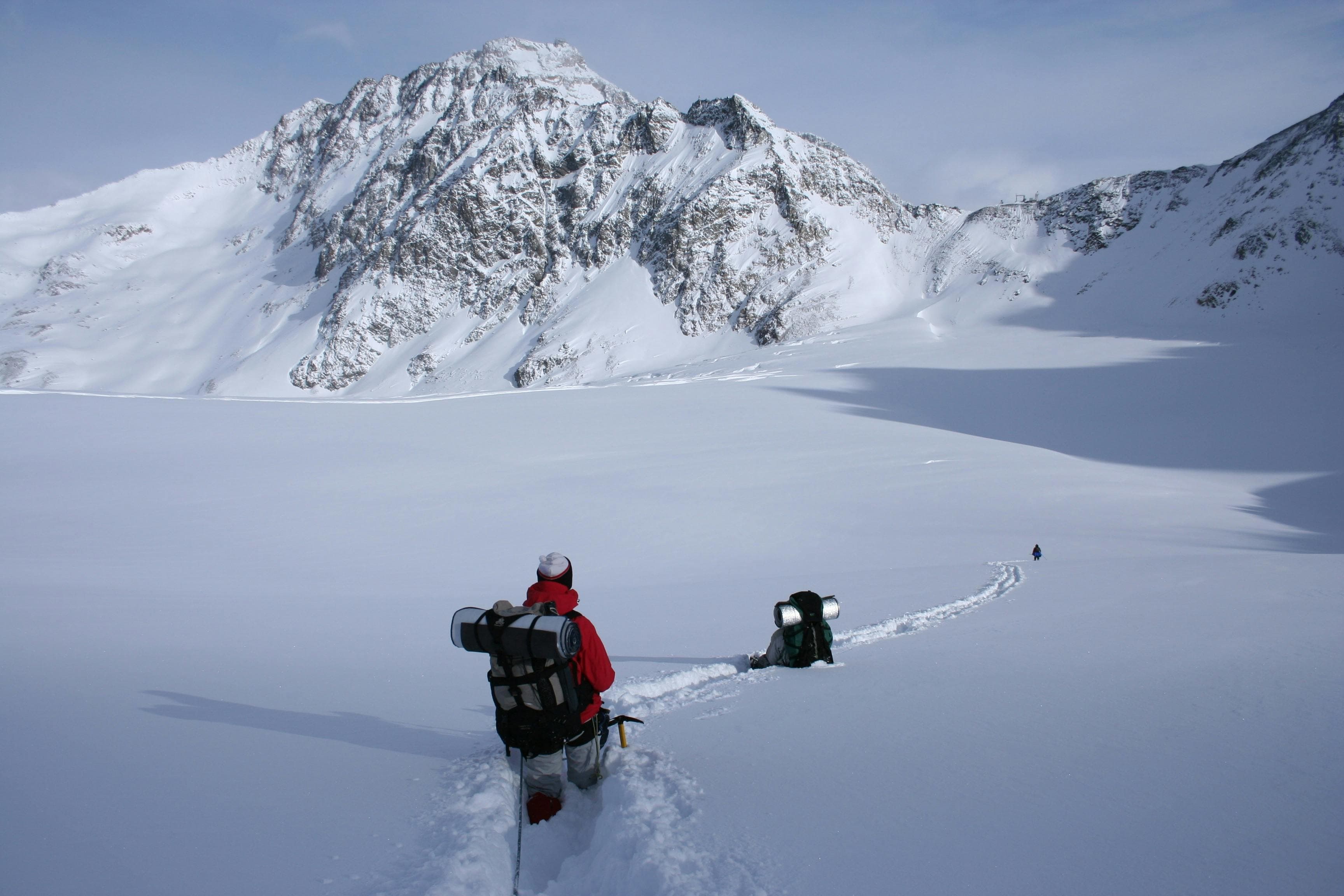
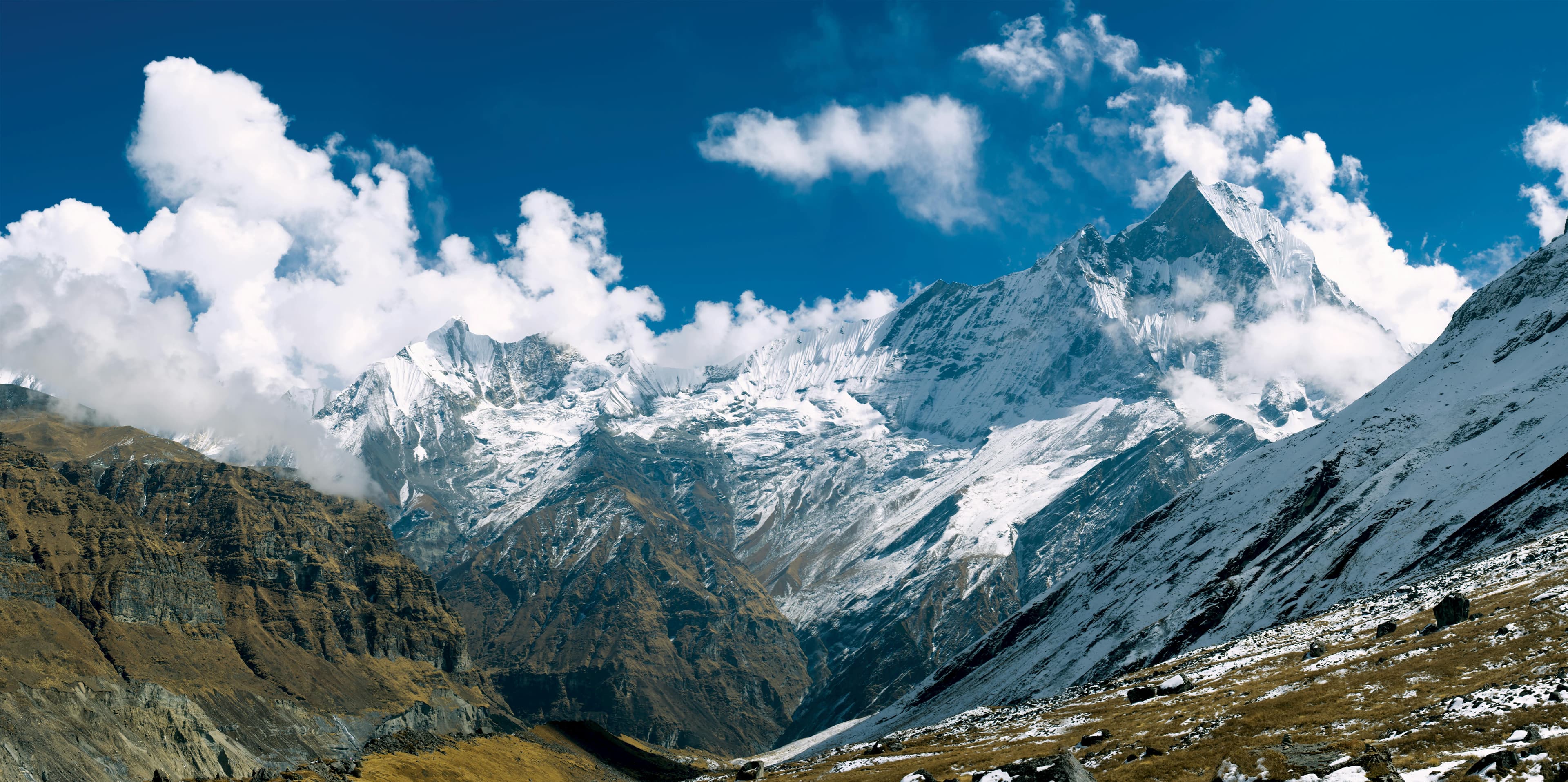
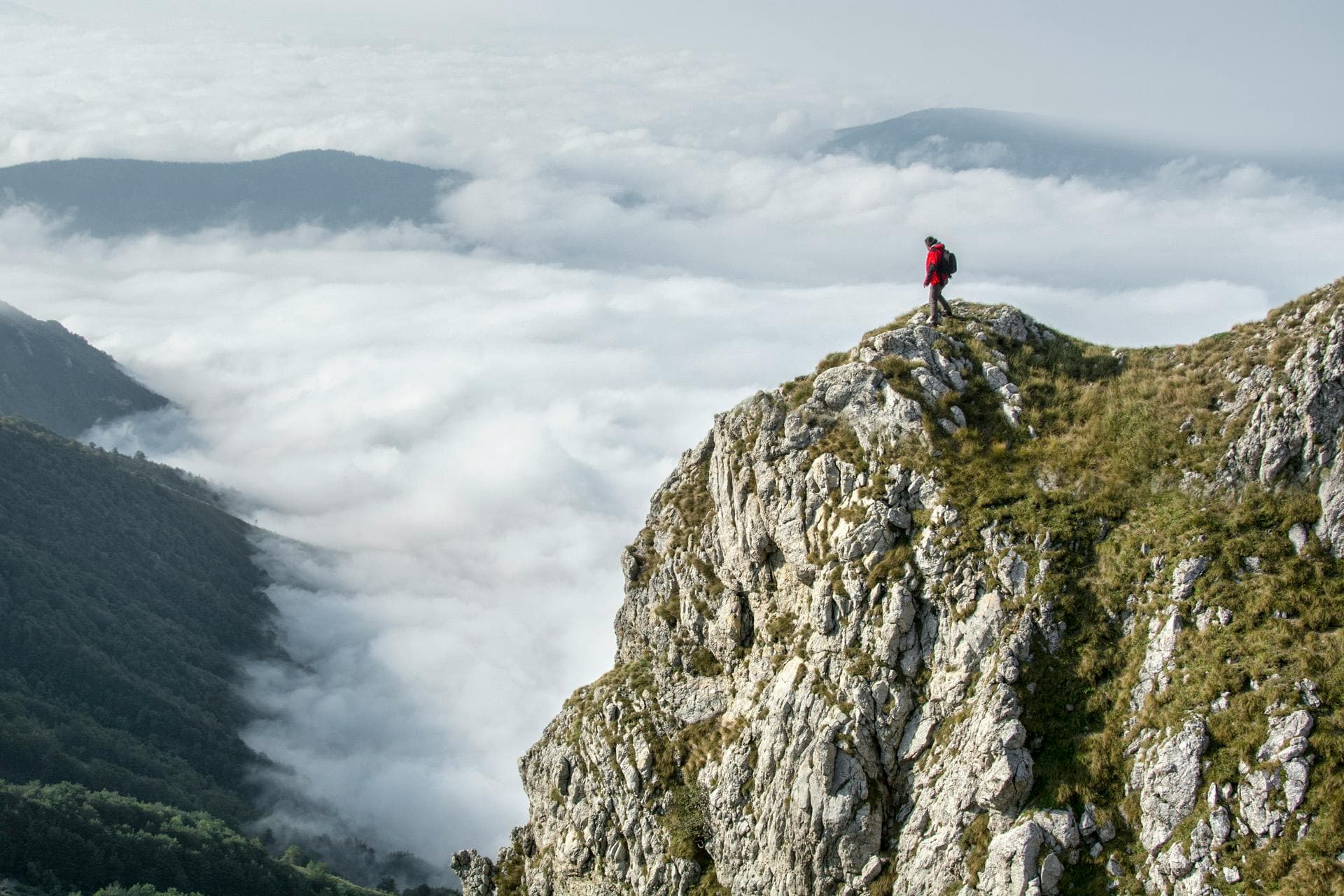
With acclimatization successfully completed and all higher camps fully established, the expedition enters its most anticipated phase, the summit push to Mt. Makalu (8,463 m). Unlike fixed-date itineraries, the timing of the summit attempt is determined entirely by weather conditions, route safety, snow stability, and the physical condition of the climbing team. Flexibility during this period is essential, as waiting several days at Base Camp for the ideal weather window often provides the highest chance of a safe and successful ascent.
Once the expedition leader confirms favorable forecasts, climbers leave Base Camp and begin their ascent through the established high camps. The route follows the fixed ropes installed and maintained by the experienced Sherpa climbing team, traversing glacial terrain, steep snow slopes, exposed ridges, and technical sections of mixed rock and ice. Throughout the ascent, climbers move at a controlled pace, carefully managing energy, hydration, and nutrition while adjusting to the increasingly demanding altitude.
The team progresses systematically through Camp I, Camp II, and Camp III, with each camp serving as an important staging point for rest, hydration, and preparation. Depending on the expedition strategy, weather forecast, and overall mountain conditions, a Camp IV may also be established or utilized before the final summit attempt. Throughout the climb, guides continuously monitor each climber's condition, making conservative decisions whenever necessary to prioritize safety.
Above Camp III, the mountain reveals its true character. The terrain becomes increasingly steep and exposed, requiring efficient movement on fixed ropes while navigating hard snow, wind-packed slopes, and technical alpine sections. Climbers remain roped where appropriate, maintaining steady progress while conserving strength for summit day.
The summit bid typically begins during the late evening or shortly after midnight. Under the glow of headlamps, the team ascends through the cold, silent darkness, taking advantage of the firm snow conditions that prevail during the early hours. Every step above 8,000 meters, the "Death Zone", demands patience, discipline, and constant awareness, as the body can no longer acclimatize effectively at this extreme altitude.
The final approach to Makalu's famous summit pyramid is the most technically demanding section of the expedition. Steep snow and mixed terrain require confident movement on fixed ropes before the route eases onto the narrow summit ridge. Reaching the summit of Mt. Makalu (8,463 m), the world's fifth-highest mountain, is an extraordinary achievement earned through weeks of preparation, acclimatization, and teamwork.
On a clear day, the summit offers one of the finest panoramas in the Himalaya. Everest, Lhotse, Kangchenjunga, Baruntse, Chamlang, Ama Dablam, and countless snow-covered peaks stretch across the horizon, while the Tibetan Plateau extends to the north in remarkable clarity.
Although reaching the summit is a defining moment, the expedition places equal importance on a safe descent. After spending only a brief period on the summit, climbers begin their careful return, retracing the route through the upper camps while managing fatigue, changing weather, and the physical demands of descending from extreme altitude. Guides maintain close supervision throughout the descent, ensuring every climber returns safely through the established camps before finally arriving back at Base Camp.
Throughout the summit period, daily weather forecasts, satellite communication, and continuous route assessments allow the expedition leader to make informed decisions. The objective is never simply to reach the summit, but to ensure every member of the team returns safely after experiencing one of the world's greatest mountaineering achievements.
Expedition Note: The climbing schedule above Base Camp is subject to change based on weather conditions, snow stability, route conditions, and the health and acclimatization of the team. The itinerary below represents the planned expedition strategy, but the expedition leader may adjust camp movements to ensure the highest level of safety and maximize summit success.