License No: 237321

Manaslu Expedition

Manaslu Expedition

Manaslu Region

Max Elevation

Max Elevation

8163m

Duration

Duration

36 days

Difficulty

Difficulty

Hard

Download Trip PDF
Enquire Now
Trek Starting Point

Trek Starting Point

Dharapani

Trek Ending Point

Trek Ending Point

Machhakhola

Departure From

Departure From

Kathamandu

Transportation

Transportation

Private Vehicle

Style

Style

Expedition / High-altitude mountaineering

Meal

Meal

Breakfast, Lunch, Dinner

Accommodation

Accommodation

Tourist standard hotel in Kathmandu, Teahouse during trek, camping

Overview

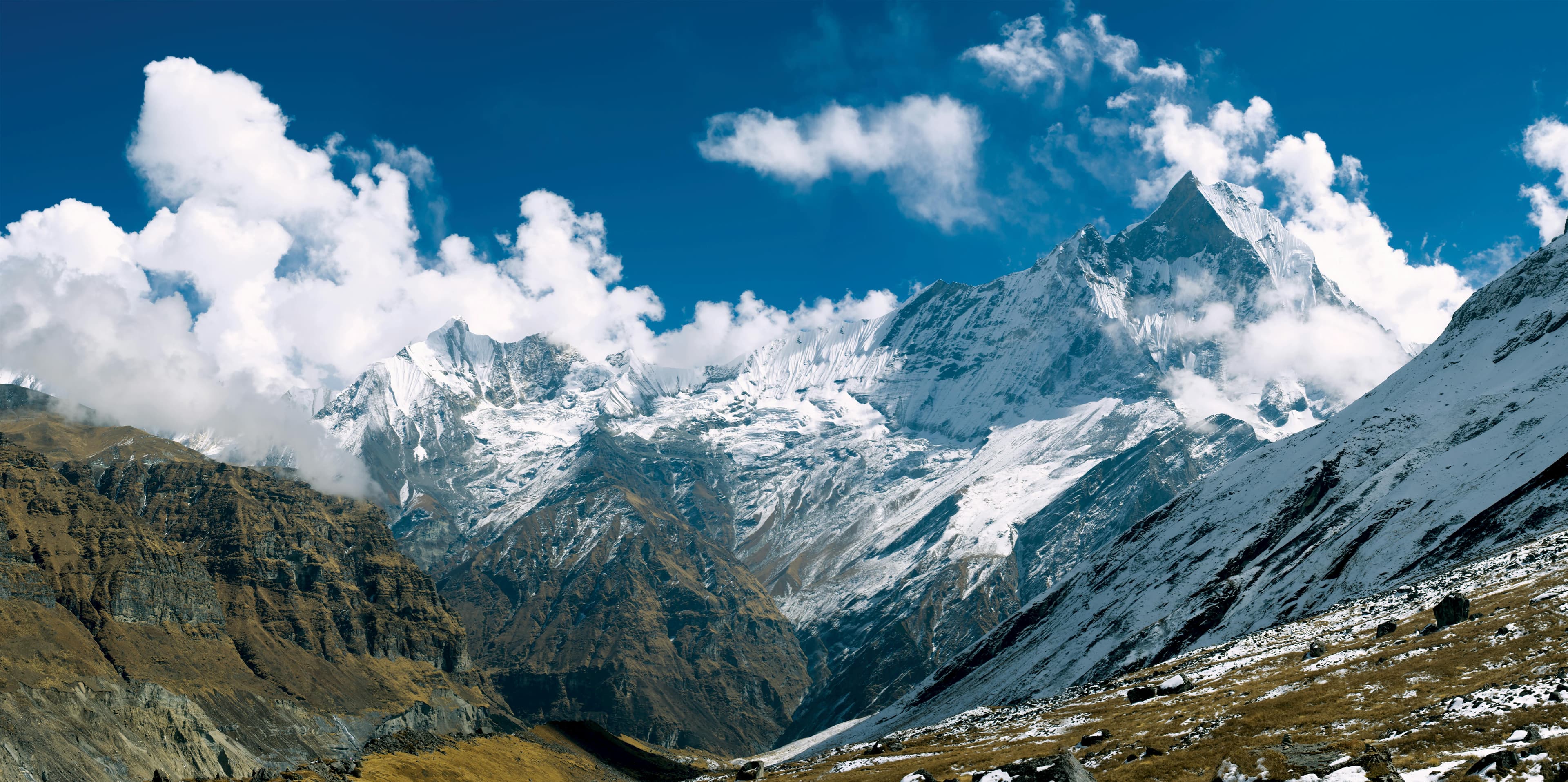
Standing at 8,163 meters (26,781 ft) above sea level, Mt. Manaslu is the eighth-highest mountain in the world and one of Nepal’s most remarkable 8,000-meter climbing objectives. Located in the remote Mansiri Himal range of western Nepal, Manaslu offers a true Himalayan expedition experience, combining technical high-altitude climbing, spectacular mountain scenery, and a journey through one of Nepal’s most culturally rich and less-traveled regions.

The Manaslu Expedition is meticulously designed for experienced mountaineers seeking to ascend one of the world’s highest peaks while adhering to a carefully planned acclimatization and safety strategy. The expedition commences with a scenic approach trek through the Manaslu Conservation Area, traversing traditional mountain villages, ancient monasteries, deep river valleys, and high Himalayan landscapes before establishing Manaslu Base Camp at approximately 4,700 meters.

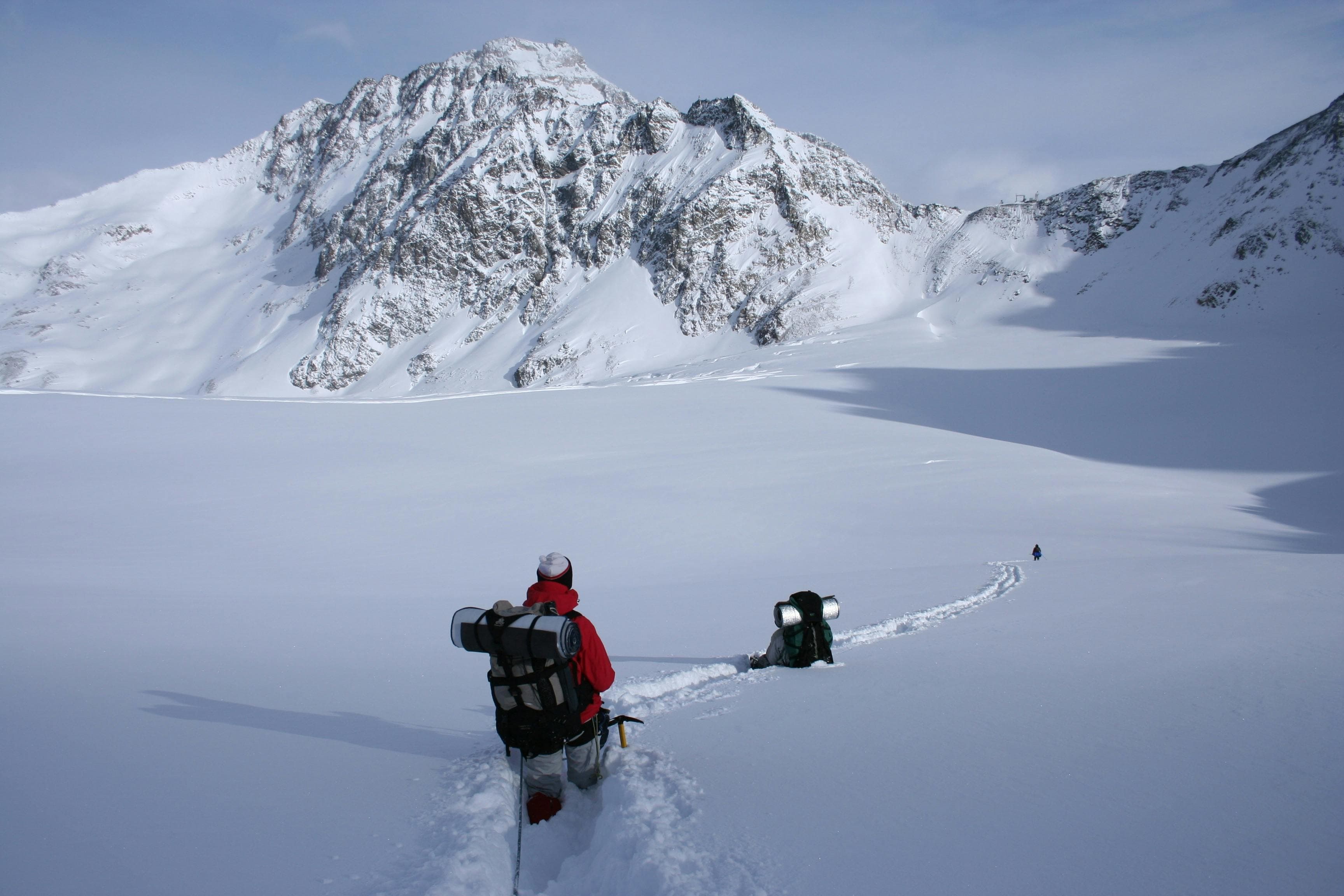
From Base Camp, the expedition transitions into the technical climbing phase, where climbers undertake acclimatization rotations through established high camps. These rotations are paramount for adapting to extreme altitude, enhancing climbing efficiency, and familiarizing participants with fixed rope sections, glacier terrain, and the challenging conditions prevalent above Base Camp. The team progressively ascends through Camp I, Camp II, Camp III, and higher sections of the route, allowing ample time for recovery and physiological adaptation to the altitude.

The summit attempt is exclusively conducted during an optimal weather window, with the expedition leader diligently evaluating weather forecasts, route conditions, snow stability, and the overall physical condition of the team. The final ascent involves navigating the upper mountain terrain towards the summit ridge, where climbers are rewarded with breathtaking panoramic views of the Himalayas, including the Annapurna range, Ganesh Himal, Himalchuli, and surrounding peaks.

A successful Manaslu expedition necessitates more than mere physical strength; it demands patience, discipline, teamwork, astute decision-making, and profound respect for the unpredictable nature of high-altitude environments. The expedition schedule is thoughtfully structured with adequate acclimatization periods and inherent flexibility to maximize safety while providing the best possible opportunity for summit success.

Beyond the primary climbing objective, the Manaslu Expedition offers an unparalleled cultural and wilderness immersion. The approach route meanders through remote Himalayan communities where Tibetan Buddhist traditions are deeply preserved, fostering an authentic connection between climbers and the people, landscapes, and heritage of the region.

With experienced guides, professional Sherpa support, comprehensive logistics, and a meticulously structured itinerary, the Mt. Manaslu Expedition stands as one of the most rewarding challenges in Himalayan mountaineering. It represents a transformative journey from the heart of Nepal’s mountains to the summit of one of the world’s highest peaks.

Climbing Experience and Requirements: 

The Mt. Manaslu Expedition is specifically tailored for climbers possessing prior high-altitude experience and a robust understanding of technical mountaineering skills. Participants are expected to be proficient in the use of crampons, ascenders, fixed ropes, and other essential climbing equipment in demanding alpine environments. Previous experience on peaks exceeding 6,000 meters is strongly recommended to ensure participant safety and success.

Program Itinerary

Upon arrival at Tribhuvan International Airport in Kathmandu (1,400m), you will be warmly welcomed by our expedition representative and transferred to your hotel. After check-in, you will have time to rest and recover from your international journey or explore the vibrant streets of Nepal's capital at your own pace.

In the evening, you will convene with your expedition leader and fellow team members for an introductory briefing. This session will cover the expedition itinerary, climbing strategy, equipment requirements, safety protocols, and the latest mountain conditions. It also serves as an invaluable opportunity to address any last-minute questions before the expedition officially commences. Overnight stay at a hotel in Kathmandu.

This day is dedicated to final expedition preparations while our logistics team finalizes necessary permit formalities and liaison procedures. A thorough equipment inspection will be conducted to ensure every climber is fully prepared for the high-altitude environment, with any missing or rental gear readily available in Kathmandu.

During the day, you may also explore several of Kathmandu's renowned UNESCO World Heritage Sites, including ancient temples, monasteries, and bustling local markets that reflect Nepal's rich cultural heritage. In the evening, the expedition leader will conduct a comprehensive briefing covering the approach trek, acclimatization schedule, climbing rotations, and emergency procedures. Overnight stay at a hotel in Kathmandu.

After an early breakfast, we embark on the overland journey towards Besisahar, the traditional gateway to the Manaslu region. The drive spans approximately 175 km and typically takes 6–8 hours, contingent on road and traffic conditions.

Leaving the Kathmandu Valley behind, the route follows the Trishuli and Marshyangdi Rivers through rolling hills, terraced farmland, and vibrant rural settlements. As the journey progresses, distant Himalayan peaks gradually emerge above the surrounding landscape, offering the first glimpse of the majestic mountains that await. Upon arrival in Besisahar, there will be time to organize personal equipment and prepare for the following day's drive deeper into the mountains. Overnight stay at a local lodge in Besisahar.

Today's journey follows a rugged mountain road into the heart of the Himalayas. Covering approximately 60 km, the drive usually takes 5–7 hours as the route winds through deep river gorges, dense forests, waterfalls, and traditional mountain villages.

Road conditions become increasingly challenging beyond Besisahar, necessitating the use of four-wheel-drive vehicles for this section. As elevation gradually increases, the scenery transforms noticeably, with dramatic cliffs, suspension bridges, and snow-capped peaks becoming frequent features along the route. Upon reaching Dharapani (1,960m), we officially enter the higher Himalayan region, where the cultural influence shifts towards Tibetan traditions. Overnight stay at a local teahouse in Dharapani.

After breakfast, we commence our trek towards Gowa (2,515m), covering approximately 12–14 km over 5–6 hours. The trail follows well-established mountain paths through beautiful pine, fir, and rhododendron forests while gradually gaining elevation.

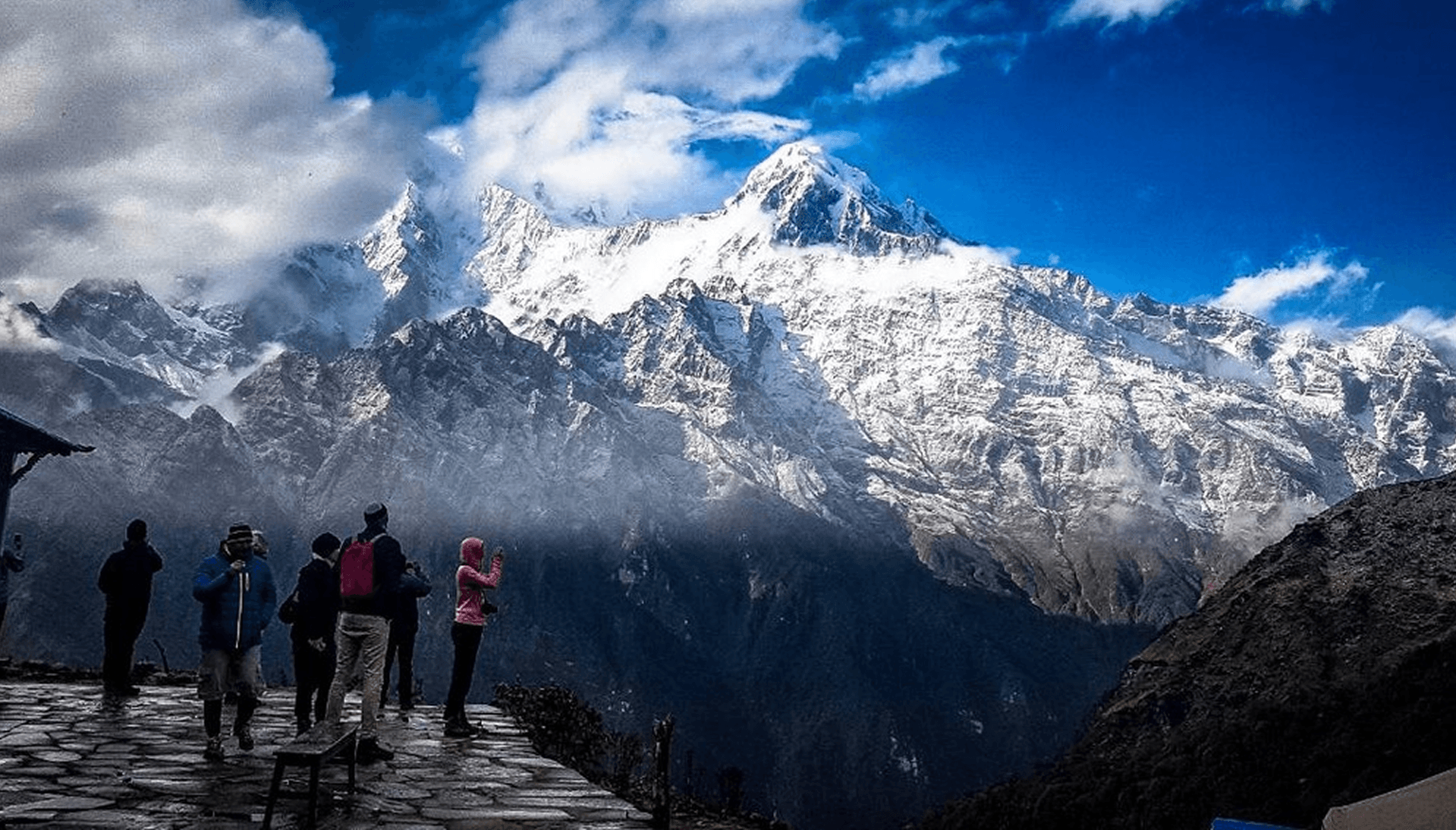
Passing through traditional villages such as Bagarchhap and Danaque, we experience the transition from lower Himalayan settlements to communities strongly influenced by Tibetan Buddhism. Mani walls, prayer flags, and chortens become increasingly common as we ascend higher into the valley. The gradual ascent provides an excellent opportunity for the body to begin acclimatizing while enjoying magnificent views of Lamjung Himal, Manaslu, and the surrounding peaks whenever the forest canopy opens. Overnight stay at a local teahouse in Gowa.

Today's trek leads into the high alpine zone as we continue our ascent towards the beautiful glacial basin of Bhimthang. Covering approximately 12–15 km, the trek requires 6–7 hours of steady walking through increasingly rugged mountain terrain.

The trail gradually leaves the dense forests behind, traversing open meadows, rocky slopes, and glacial streams. As elevation increases, the surrounding peaks dominate the skyline, with dramatic views of Manaslu, Cheo Himal, Himlung Himal, and the Annapurna range creating one of the most scenic sections of the approach. Bhimthang is nestled within a spectacular alpine valley surrounded by towering snow-covered mountains, making it an ideal location to spend additional time acclimatizing before crossing into the Manaslu Valley. Overnight at a local teahouse in Bhimthang.

Acclimatization plays a critical role in every successful Himalayan expedition. Rather than remaining inactive, today follows the well-established principle of "climb high, sleep low," allowing the body to adapt gradually to the decreasing oxygen levels.

A short hike to higher elevations above Bhimthang provides valuable acclimatization while offering exceptional panoramic views of surrounding glaciers and Himalayan peaks. The remainder of the day is reserved for rest, hydration, nutritional recovery, and monitoring each climber's physical condition before continuing toward higher elevations.

This carefully planned acclimatization day significantly improves the body's ability to perform efficiently during the more demanding stages of the expedition. Overnight at a local teahouse in Bhimthang.

Today marks one of the most demanding yet rewarding days of the approach as we traverse the spectacular Larkya Pass (5,160 m) before descending towards the remote village of Samdo. The route covers approximately 17–20 km and generally requires 8–10 hours of trekking.

Departing before sunrise, we steadily ascend across glacial moraine and rocky terrain towards the pass. As the trail climbs above 5,000 meters, breathtaking panoramic views unfold across the Himalayan giants, including Manaslu, Himlung Himal, Cheo Himal, Kang Guru, and the Annapurna massif. After spending time at the pass, we begin a long descent into the upper Budi Gandaki Valley, eventually reaching Samdo, one of the highest permanent settlements in the region. Although physically demanding, this stage provides excellent high-altitude exposure before entering Base Camp. Overnight at a local teahouse in Samdo.

Today's trek is comparatively short, allowing the body to recover from the previous day's high pass crossing while continuing gradual acclimatization. The trail covers approximately 8–10 km over 3–4 hours, following ancient trade routes through the upper Budi Gandaki Valley.

Walking beneath towering cliffs and expansive mountain scenery, we pass traditional yak pastures, glacial streams, and prayer-flag-lined trails before reaching Samagaon, the largest settlement in the upper Manaslu region. Rich in Tibetan Buddhist culture, the village is home to ancient monasteries, stone-built houses, and welcoming local communities. The afternoon offers time to rest, reorganize climbing equipment, and prepare for the final approach to Base Camp. Overnight stay at a local teahouse in Samagaon.


Leaving the final permanent village behind, we ascend towards Manaslu Base Camp, entering the true expedition environment. The trek covers approximately 8–13 km and takes 5–7 hours, depending on weather and trail conditions.

The route climbs steadily across alpine meadows before traversing glacial moraine and rocky terrain beneath the immense south face of Mt. Manaslu. As vegetation disappears, the landscape becomes increasingly rugged, dominated by icefalls, glaciers, and towering Himalayan peaks. Upon arrival at Base Camp, our fully equipped expedition camp awaits, complete with dining facilities, communications equipment, kitchen tents, and comfortable sleeping tents. The remainder of the day is spent settling into camp, organizing personal climbing equipment, and preparing for the acclimatization and technical training phase that follows. Overnight stay at a tented camp.

The subsequent two days are dedicated to acclimatization, recovery, and final preparations before initiating the climbing phase of the expedition. At Base Camp, climbers allow their bodies to adapt to the high-altitude environment while the expedition team completes essential preparations for the route above.

During this period, the Sherpa climbing team continues route management and equipment organization, while climbers participate in technical refreshers covering fixed-rope techniques, glacier travel, crampon movement, ascender and descender use, and high-altitude safety procedures. Personal climbing equipment is meticulously inspected, summit gear is organized, and the team reviews the climbing strategy for the upcoming rotations. Short acclimatization hikes around Base Camp are encouraged to improve altitude adaptation, while adequate rest, hydration, and nutrition remain the priority. The expedition leader and medical team continuously monitor each climber's condition to ensure everyone is ready before moving onto the mountain. Overnight stay at Manaslu Base Camp.

Following adequate preparation at Base Camp, the team commences a series of planned acclimatization rotations on Mt. Manaslu. These rotations are a critical component of the expedition strategy, enabling climbers to gradually adapt to extreme altitude while familiarizing themselves with the route, fixed ropes, established camps, and technical sections of the mountain.

The first rotation typically involves an ascent from Base Camp to Camp I (approximately 5,700 m) and then to Camp II (around 6,400 m), gaining valuable experience on the glacier, negotiating fixed lines, and developing efficient movement techniques at altitude. Climbers will spend a night or two at Camp I or Camp II before descending back to Base Camp for rest and recovery. 

This rotation is crucial for building endurance and acclimatization. After sufficient rest and acclimatization, a second rotation is conducted to further improve altitude adaptation and establish Camp III (around 6,800 m). Depending on weather and route conditions, the team may progress towards Camp IV (around 7,400 m) before descending back to Base Camp for final preparations for the summit push. Overnight stays will be at various camps during these rotations, returning to Base Camp for recovery periods.

Following successful acclimatization rotations and a favorable weather forecast, the team begins the most important phase of the expedition,the summit push of Mt. Manaslu (8,163 m). The exact schedule during this period is determined by weather conditions, snow stability, route conditions, and the overall physical condition of the climbing team.

Departing from Base Camp, climbers gradually move through the established high camps, following the fixed-line route prepared by the Sherpa climbing team. The ascent involves navigating glacial terrain, steep snow slopes, and technical sections while maintaining a careful pace to conserve energy for the summit attempt. Depending on conditions and the expedition strategy, the team progresses through Camp I, Camp II, Camp III, and Camp IV before preparing for the final summit bid.

The summit attempt is carried out during the most favorable weather window available. Climbers begin their summit push during the early hours, ascending through the upper mountain terrain toward the summit of Mt. Manaslu (8,163 m), the world's eighth-highest mountain. Reaching the summit requires endurance, determination, and disciplined decision-making, as conditions at this altitude can change rapidly.

After achieving the summit objective, the team begins the careful descent back through the higher camps toward Base Camp. Safe descent is considered an essential part of a successful expedition, and climbers maintain a conservative approach while managing fatigue, hydration, and changing mountain conditions.

Throughout the summit period, the expedition leader continuously evaluates weather forecasts, route safety, and team performance, making necessary adjustments whenever required. The primary objective remains a safe and successful return of every team member.

Expedition Note: The climbing schedule above Base Camp is subject to change based on weather conditions, snow stability, route conditions, and the health and acclimatization of the team. The itinerary below represents the planned expedition strategy, but the expedition leader may adjust camp movements to ensure the highest level of safety and maximize summit success.

After completing the summit attempt and safely returning to Base Camp, the team begins the descent back toward the lower Manaslu Valley. Today's trek retraces the route toward Samagaon, covering approximately 8 – 13 km and requiring around 5 – 6 hours of walking.

Leaving the high alpine environment behind, the trail descends across glacial moraine and rocky terrain before gradually returning to greener landscapes. The decreasing altitude provides a welcome increase in oxygen levels, allowing climbers to recover after the physical and mental demands of the summit phase.

Upon reaching Samagaon, climbers can enjoy the comfort of the village environment, reconnect with local culture, and take time to rest after completing the major objective of the expedition.  Overnight at a local teahouse in Samagaon (3,530 m).

After a well-deserved rest in Samagaon following the summit phase, we begin our descent through the Manaslu region, retracing the scenic trails toward lower elevations. Today's trek covers approximately 17 – 18 km and takes around 6 – 7 hours, following the Budi Gandaki Valley through diverse Himalayan landscapes.

The trail gradually descends through several traditional villages, passing ancient monasteries, mani walls, and prayer-flag-lined paths that reflect the strong Tibetan Buddhist influence of the region. As we lose elevation, the barren alpine surroundings slowly transition back into forests of pine, rhododendron, and juniper.

The descent provides a completely different perspective of the landscape compared to the approach, with warmer temperatures, greener valleys, and changing vegetation creating a refreshing contrast after weeks spent in the high mountains.

Upon reaching Namrung, the team can relax and enjoy the comfort of the lower-altitude environment while reflecting on the achievements of the expedition. Overnight at a local teahouse in Namrung.

Today's trek continues deeper into the lower Manaslu region, following the Budi Gandaki River through forests, terraced farmland, and traditional mountain settlements. The journey covers approximately 18 – 19 km and takes around 6 – 7 hours.

The trail passes through culturally significant villages where Tibetan Buddhist traditions blend with the lifestyle of the Himalayan foothills. As we descend, the architecture gradually changes from stone-built mountain homes to more traditional hillside settlements surrounded by cultivated fields.

The lower altitude makes walking more comfortable, and the increasing vegetation, flowing rivers, and warmer climate mark our return toward the subtropical Himalayan environment.

Upon arrival in Philim, we settle into the village and enjoy a relaxing evening after another rewarding day of trekking. Overnight stay at a local teahouse in Philim.

Our final trekking day follows the lower section of the Budi Gandaki Valley toward Machha Khola, marking the completion of our Himalayan trekking journey. The trail covers approximately 15 – 18 km and takes around 5 – 6 hours.

The route descends through lush forests, terraced hillsides, suspension bridges, and riverside pathways. The dramatic mountain landscapes gradually give way to warmer valley scenery, offering a final glimpse into the incredible geographical diversity of the Manaslu region.

As we approach Machha Khola, the team completes the trekking portion of the expedition. This evening provides an opportunity to relax, celebrate the successful completion of the mountain journey, and share memories from the expedition. Overnight at a local lodge in Maccha Khola.

After breakfast, we begin the return journey by road from Machha Khola to Kathmandu. The drive covers approximately 160 – 170 km and takes around 7 – 9 hours, depending on road conditions and traffic.

The route follows winding mountain roads alongside rivers, villages, and terraced hillsides before gradually returning to the Kathmandu Valley. After weeks in the remote Himalayan environment, arriving back in the capital provides a welcome transition to modern comforts.

Upon arrival in Kathmandu, climbers are transferred to the hotel for a well-earned rest, hot shower, and recovery after the demanding expedition. Overnight at a hotel in Kathmandu.

Today is reserved as a recovery and leisure day following the completion of the Manaslu Expedition. After weeks of trekking and high-altitude climbing, this day provides valuable time to relax, recover, and enjoy the comforts of Kathmandu.

Climbers may explore the city's historic landmarks, visit local markets, purchase souvenirs, or simply rest at the hotel. In the evening, the expedition team gathers for a farewell dinner, celebrating the journey, challenges overcome, and memories created throughout the expedition.

This final evening provides an opportunity for climbers, Sherpa staff, and expedition members to share experiences from their time on one of the world's highest mountains. Overnight at a hotel in Kathmandu.

Following breakfast, our team will arrange your transfer to Tribhuvan International Airport for your onward international flight.

As the expedition concludes, we say farewell with unforgettable memories of Mt. Manaslu, the world's eighth-highest mountain. The journey represents not only a physical achievement but also a shared experience of teamwork, perseverance, and respect for the Himalayan environment.

With the successful completion of the expedition, we wish you a safe onward journey and hope to welcome you again for future Himalayan adventures.

Cost Includes

  • Airport Pick-up and drop Service
  • Hotel Accommodation in Kathmandu (twin sharing basis) with breakfast
  • Kathmandu to Dharapani/Maccha Khola – Kathmandu private transport
  • Guided Tour of Kathmandu valley with an experienced tour guide
  • Sightseeing charges and Entry fees
  • Accommodation during the trek (teahouse / guesthouse / homestay)
  • All meals during the trek (Breakfast, Lunch, Dinner)
  • Required high-altitude food for CI,CII,CIII and CIV to the climbing member & support sherpa
  • 1:1 experienced private climbing Sherpa guide during trek and climb (Manaslu Approached)
  • Local government Entry Permit of Rs. 2000 (started in 2018)
  • Insurance of the Sherpa guide and Porter
  • Annapurna and Manaslu Conservation Area Project (ACAP & MCAP) entry permit
  • Expedition royalty and climbing permits for climbing the normal route of Mt.Manaslu (8,163 m)
  • TIMS (Trekkers’ Information Management System) Trekking Permit Card
  • Medical kits carried by the guide
  • All necessary paper works, office service charge and all Government Taxes

Optional Add-ons

  • Airport transfer upgrade
  • Private porter support
  • Extra acclimatization day

Cost Excludes

  • Travel insurance (Mandatory: Should include emergency evacuation coverage while trekking up to 5500+ m)
  • Summit bonus to your private Sherpa Guide for the summit push (a minimum of US$ 1,500.00)
  • Tips to Base Camp Staffs is Mandatory; a miminum of US$ 300 per member for the kitchen team
  • International airfare and Visa costs (you can get Visa upon arrival at the airport)
  • Personal interest items or gears
  • Tips to guide / driver / porter
  • Beverage and Drink Items / Other Extra facilities like hot shower during trek
  • Any other expenses which are not mentioned in “What’s Included” section

Travel Guide