

Arrival at Tribhuwan International Airport. Our Staff member meets you and transfers you to the hotel.
Overnight stay at a hotel.
Annapurna Region

Trek Starting Point
Chame

Trek Ending Point
Chame

Departure From
Kathmandu

Transportation
Private Vehicle, Local Jeep

Style
High-altitude trekking & peak climbing

Meal
Breakfast, Lunch, Dinner

Accommodation
Tourist standard hotel in Kathmandu, Teahouse during trek
Pisang Peak Climbing is one of Nepal's most popular and rewarding trekking peak adventures, offering an excellent combination of Himalayan trekking, cultural exploration, and alpine climbing. Rising to 6,091 meters (19,983 feet), Pisang Peak stands above the beautiful Manang Valley in the Annapurna region and provides an exciting opportunity for adventure seekers looking to experience their first Himalayan summit.
The expedition begins with a scenic journey through the legendary Annapurna region, following the classic Annapurna Circuit trail through diverse landscapes, traditional villages, and dramatic mountain scenery. The route offers a unique blend of natural beauty and cultural experiences, passing through ancient settlements, Buddhist monasteries, lush forests, and high-altitude valleys surrounded by some of the most spectacular peaks in the Himalayas.
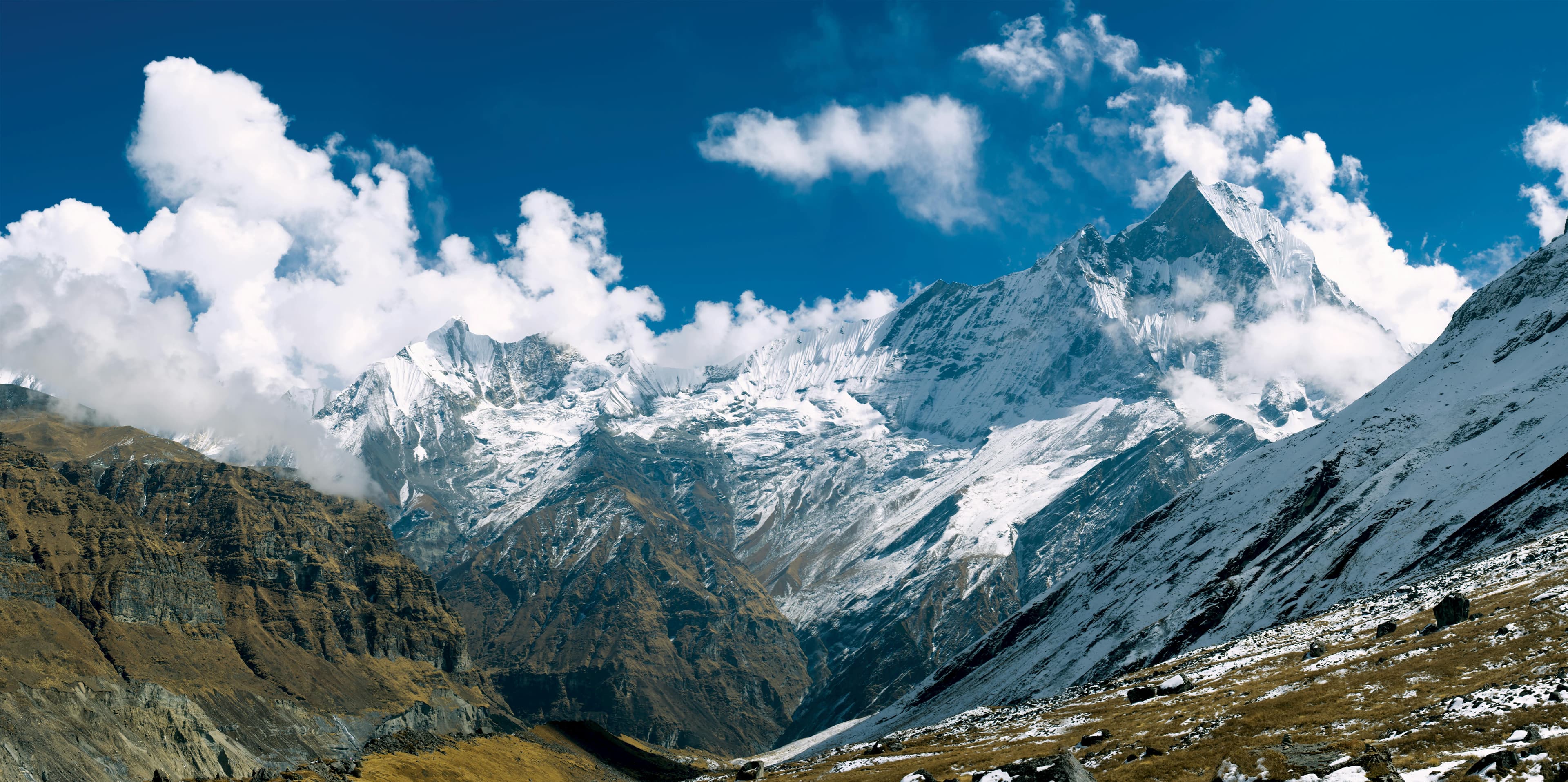
Pisang Peak is known for its impressive summit views and accessible climbing route, making it a perfect choice for trekkers who want to step into Himalayan mountaineering. From the summit, climbers are rewarded with breathtaking views of the Annapurna mountain range, Manaslu, Dhaulagiri, Tilicho Peak, Gangapurna, and the surrounding peaks of the Trans-Himalayan landscape. The panoramic scenery from the top creates one of the most memorable moments of the entire journey.
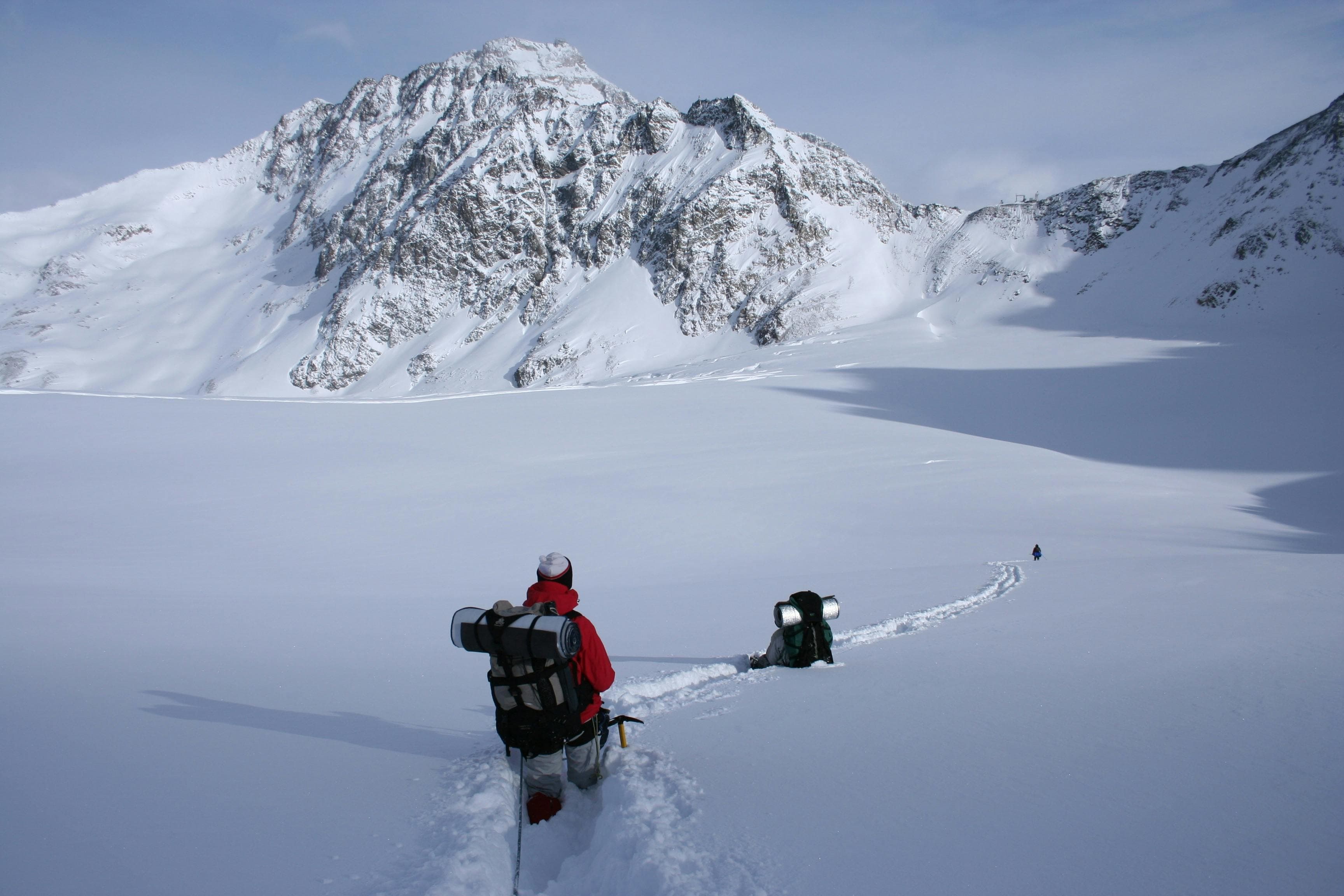
Although Pisang Peak is considered a trekking peak, the climb requires proper preparation and basic mountaineering skills. The ascent involves glacier sections, snow slopes, and the use of climbing equipment such as crampons, ropes, harnesses, and ice axes. Our experienced climbing guides provide essential pre-climb training and technical guidance, ensuring that climbers are well prepared and confident before attempting the summit.
The itinerary is carefully designed with proper acclimatization to help your body adapt to the increasing altitude while maintaining a comfortable and safe pace. Combining the famous Annapurna Circuit trekking experience with the challenge of a Himalayan summit, Pisang Peak Climbing offers an ideal adventure for those seeking both cultural immersion and a genuine mountaineering achievement.
Whether you are an experienced trekker looking to expand your climbing experience or an adventurous traveler dreaming of your first Himalayan summit, Pisang Peak Climbing delivers an unforgettable journey through one of Nepal's most beautiful mountain regions. With experienced local guides, careful planning, and a strong focus on safety, this expedition offers the perfect balance of adventure, challenge, and Himalayan discovery.
Arrival at Tribhuwan International Airport. Our Staff member meets you and transfers you to the hotel.
Overnight stay at a hotel.
After breakfast at the hotel, our guide will meet you at the hotel and provide a briefing about the upcoming trek, including the itinerary, safety information, and important preparations. He will also assist you with all the necessary trekking formalities and paperwork.
After the briefing, we will go on a sightseeing tour around the Kathmandu Valley, visiting famous UNESCO World Heritage Sites such as Boudhanath Stupa, one of the largest Buddhist stupas in the world, and Swayambhunath Stupa, also known as the Monkey Temple. On this day, we will also arrange the TIMS card and other required permits for the trek.In the evening, you will have time to prepare your trekking gear and make the final arrangements for the journey ahead. Overnight stay at a hotel.
The journey from Kathmandu (1,400 m) to Besisahar (760 m) is a scenic drive of approximately 175–180 km, taking around 6–8 hours depending on road conditions and traffic. The route follows the Prithvi Highway westward alongside the Trishuli River, passing bustling roadside towns, terraced hillsides, and lush river valleys. At Dumre, the road branches north toward Besisahar, gradually transitioning into quieter countryside with views of rural villages, farmland, and the early foothills of the Annapurna region. This drive serves as the gateway to the Annapurna Circuit, offering a gentle introduction to the landscape and culture of the region, with Besisahar acting as a common starting point for treks and overnight stays in local lodges.
After departing from Besisahar (760 m), we begin a scenic drive deep into the Annapurna region along the Marsyangdi River. The road gradually narrows as we leave the lowlands behind, passing through small settlements like Ngadi and Dharapani (1,860 m), where the landscape shifts from terraced fields to steep forested hills.
As we continue higher, the road becomes more rugged and adventurous, carved into cliffs with waterfalls and river views alongside. Traditional villages such as Bagarchhap and Danaque appear along the way, offering glimpses of local mountain life and Buddhist prayer flags fluttering in the wind.
After about 6–7 hours of driving, we reach Chame (2,670 m), the district headquarters of Manang. Surrounded by pine forests and dramatic views of Annapurna II, Chame welcomes us into the high Himalayas for our first overnight stay.
After a restful night in Chame (2,670 m), we begin our trek deeper into the Manang Valley, following the Marsyangdi River through a dramatic alpine landscape. The trail initially winds through dense pine forests, with occasional views of snow-covered peaks emerging between the ridges.
As we move forward, the valley gradually opens up and the scenery becomes more rugged and spectacular. We pass through small settlements and cross suspension bridges, with the sound of rushing river below and towering cliffs above creating a true Himalayan atmosphere.
The trail then ascends steadily, offering beautiful views of Lamjung Himal and Annapurna II along the way. The air becomes noticeably cooler and drier as we gain elevation.
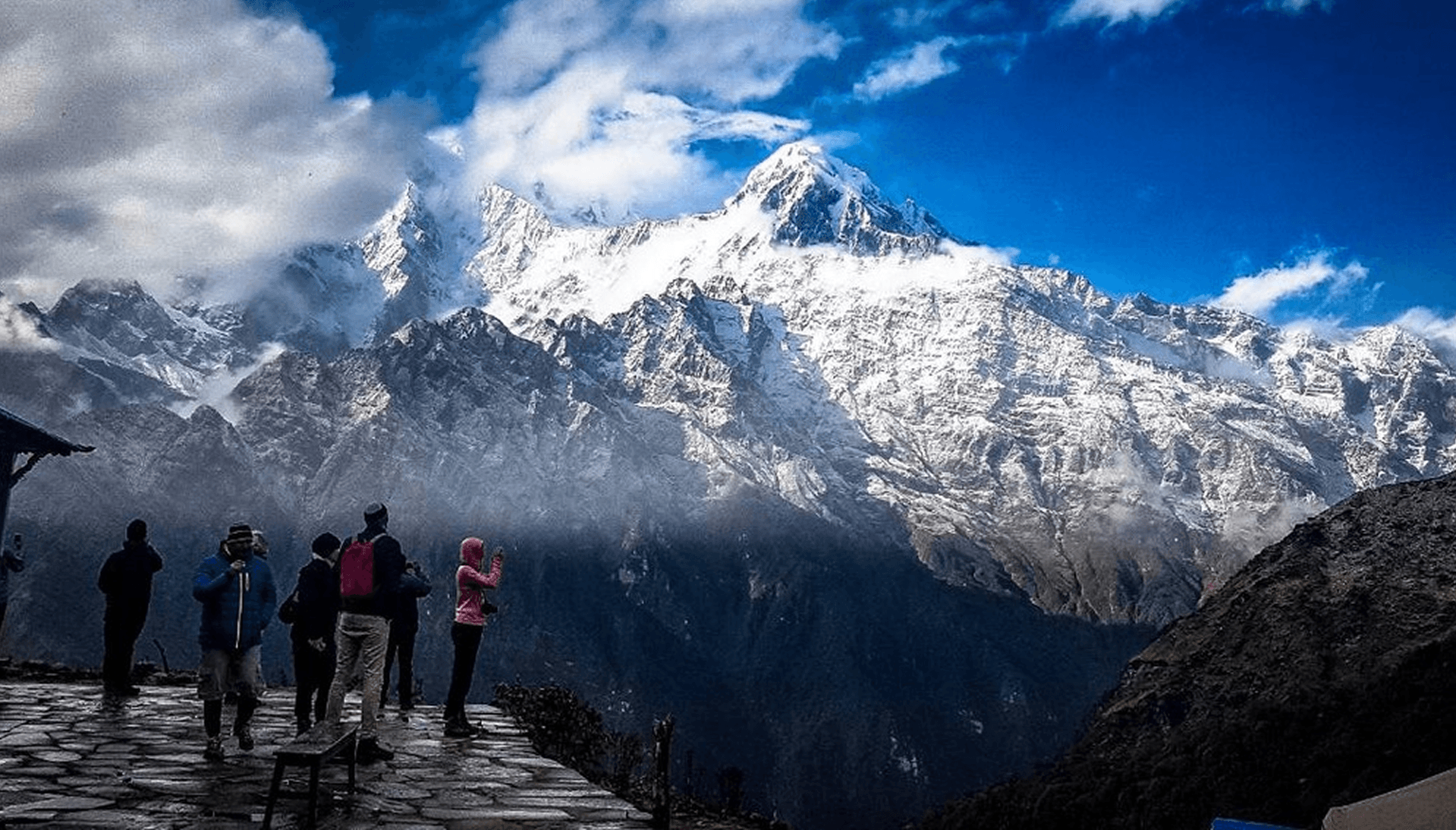
After around 5–6 hours of trekking, we arrive at Upper Pisang (3,300 m), a traditional village perched on a hillside with stunning panoramic views of the Annapurna range. We settle into a teahouse for the night, enjoying the peaceful mountain environment and preparation for higher altitude ahead. Overnight stay at a teahouse.
After gaining altitude from Chame (2,670 m), we spend a full day in Upper Pisang (3,300 m) to help the body adjust to the thinning air and prepare for higher elevations ahead.
The morning is kept relaxed, allowing time for rest and proper hydration. Later, we take a short acclimatization hike to a nearby ridge or viewpoint above the village. This gradual climb offers wide-open views of Annapurna II (7,937 m) and the surrounding Himalayan peaks, helping the body adapt while enjoying the scenery.
Along the way, we pass traditional stone houses, prayer flags, and ancient chortens that reflect the strong Tibetan Buddhist influence of the region. The hike is slow-paced, typically taking 2–3 hours round trip, with no steep or technical sections.
We return to Upper Pisang for a restful afternoon, where trekkers can relax, explore the village, or prepare gear for the upcoming ascent toward higher camps. Overnight stay at a teahouse in Upper Pisang.
After an acclimatization night in Upper Pisang (3,300 m), we begin our ascent toward the high alpine zone of Pisang Peak. The trail gradually leaves the village behind, climbing steadily through dry, windswept terrain with increasingly open views of the Annapurna range.
The route becomes more rugged as we gain elevation, passing through yak grazing areas and rocky slopes with minimal vegetation. The air gets thinner and noticeably cooler as we move above the tree line, and the landscape shifts to a true high-Himalayan environment.
After approximately 4–5 hours of trekking (7–9 km), we reach Pisang Base Camp (4,380 m). The campsite is set in a remote alpine bowl beneath Pisang Peak, surrounded by towering ridges and dramatic mountain scenery. Overnight stay in tents at base camp.
After an overnight stay at Pisang Base Camp (4,380 m), we begin the steady ascent toward the higher slopes of Pisang Peak. The trail quickly becomes steeper and more demanding as we leave the alpine basin behind and enter a rugged mix of rock, scree, and snow.
The route climbs continuously through exposed terrain with increasingly wide views of the Annapurna range and the Manang Valley far below. As we gain altitude, the air becomes thinner and movement slower, requiring careful pacing and short breaks.
After approximately 3 – 5 hours of trekking (3–4 km) and an elevation gain of about 1,000–1,200 meters, we reach High Camp (5,400 m). The campsite is set on a narrow, exposed ridge beneath the upper slopes of Pisang Peak, offering dramatic Himalayan panoramas and a clear view of the summit route for the following day. Overnight stay in tents at High Camp, with final preparations for the summit attempt.
We start early from High Camp (5,400 m), usually around midnight or pre-dawn, to take advantage of stable weather and firm snow conditions. The climb begins on steep snow and mixed rocky terrain, gradually becoming more exposed as we gain altitude.
Using crampons, harness, and fixed ropes, we ascend at a slow and steady pace with short rest stops to manage the effects of high altitude. The final section involves a narrow, steeper ridge leading toward the summit.
After approximately 3–4 hours of climbing, we reach the summit of Pisang Peak (6,091 m), rewarded with panoramic views of the Annapurna range and the Manang Valley.
After a short stay at the summit, we carefully descend the same route back to High Camp and continue further down to Pisang Base Camp (4,380 m).
This day is reserved as a post-summit buffer day after successfully reaching the summit of Pisang Peak. It provides flexibility in case the descent from High Camp was delayed, weather conditions slowed progress, or the team simply needs additional recovery time after the demanding summit push.
After returning to Pisang Base Camp (4,380 m), the day is mainly focused on rest and physical recovery. Climbing at high altitude places significant stress on the body, so this pause helps trekkers regain strength before continuing the descent toward lower elevations.
Overnight stay at Base Camp in tents
After completing the Pisang Peak expedition, we begin our descent from Pisang Base Camp (4,380 m), retracing our steps back toward the lower valleys of the Annapurna region. The morning starts with a steady downhill trek through alpine terrain, gradually leaving behind the high-altitude wilderness.
The trail descends through rocky slopes and yak grazing areas, with wide views of the Manang Valley and surrounding peaks. As we lose elevation, the landscape slowly changes, snowy and barren terrain gives way to patches of vegetation and scattered settlements.
We pass back through familiar villages along the route, enjoying easier breathing and warmer temperatures as oxygen levels increase. The descent is long but significantly less strenuous than the climb, though careful footing is still required on steep and dusty sections.
After approximately 7–9 hours of trekking (15–18 km), we arrive at Chame (2,670 m), the district headquarters of Manang. Surrounded by pine forests and river valleys, Chame offers a comfortable teahouse stay and a welcome return to lower altitude after the expedition.
Overnight stay in a teahouse at Chame.
After breakfast in Chame (2,670 m), we begin our journey back toward the lower Himalayas, leaving the high mountain region of Manang behind. The drive follows the Marsyangdi Valley, gradually descending through dramatic landscapes of pine forests, cliffs, and river gorges.
The road retraces familiar sections of the Annapurna route, passing through small villages such as Danaque, Bagarchhap, and Dharapani, where the scenery slowly shifts from alpine terrain to lush green hills. Waterfalls, suspension bridges, and terraced fields reappear as we lose altitude and approach warmer climates.
The drive is adventurous, with sections of rough and winding mountain road, but offers continuous views of the river valley and surrounding hills.
After approximately 6–8 hours of driving, we arrive at Besisahar (760 m), marking the end of the mountain section of the journey. Overnight stay in Besisahar.
After completing the Pisang Peak expedition and returning down to Besisahar (760 m), we begin our final journey back to Kathmandu.
The drive follows the Prithvi Highway through the mid-hills of Nepal, passing rivers, terraced farmlands, and busy roadside towns. The scenery gradually shifts from rural landscapes to more developed highway settlements as we approach the capital.
Traffic increases closer to the Kathmandu Valley, but the road offers a comfortable and scenic return after the high-altitude adventure.
After approximately 6–8 hours of driving (around 175–185 km), we arrive in Kathmandu (1,400 m), marking the end of the journey.
After completing the Pisang Peak expedition and returning to Kathmandu (1,400 m), today is the final day of the journey. This day is kept free for international departure or onward travel plans.
Depending on flight timing, guests may enjoy a relaxed morning in the city, final souvenir shopping, or a short walk around nearby cultural areas. Airport transfer is arranged according to the scheduled flight time.
Our team assists with hotel checkout and ensures a smooth transfer to Tribhuvan International Airport, marking the end of the Himalayan adventure.