

Arrival at Tribhuwan International Airport. Our Staff member meets you and transfers you to the hotel.
Overnight stay at a hotel.
Everest Region

Trek Starting Point
Lukla

Trek Ending Point
Lukla

Departure From
Ramechhap

Transportation
Domestic flight

Style
High-altitude trekking & peak climbing

Meal
Breakfast, Lunch, Dinner

Accommodation
Tourist standard hotel in Kathmandu, Teahouse during trek
Embark on an extraordinary Himalayan adventure that combines high altitude trekking, technical climbing, remote mountain crossings, and unforgettable cultural experiences. This expedition is designed for adventure seekers who dream of exploring the legendary Everest region while standing on the summits of Mera Peak (6,476 m), Island Peak (6,189 m), and Lobuche Peak (6,119 m). Beginning with the ascent of Mera Peak and continuing through the spectacular Amphu Lapcha Pass, Everest Base Camp, Kala Patthar, and the final climb of Lobuche Peak, this journey offers a complete Himalayan experience filled with challenge, discovery, and personal achievement.
The adventure begins with a scenic flight to Lukla, followed by a gradual approach through the remote trails of the eastern Khumbu and Hinku valleys. The route passes through beautiful Sherpa settlements, peaceful alpine landscapes, and less traveled mountain trails before reaching the high altitude world of Mera Peak. Careful acclimatization, experienced guides, technical preparation, and proper safety measures allow climbers to adapt gradually and confidently to the demanding Himalayan environment.
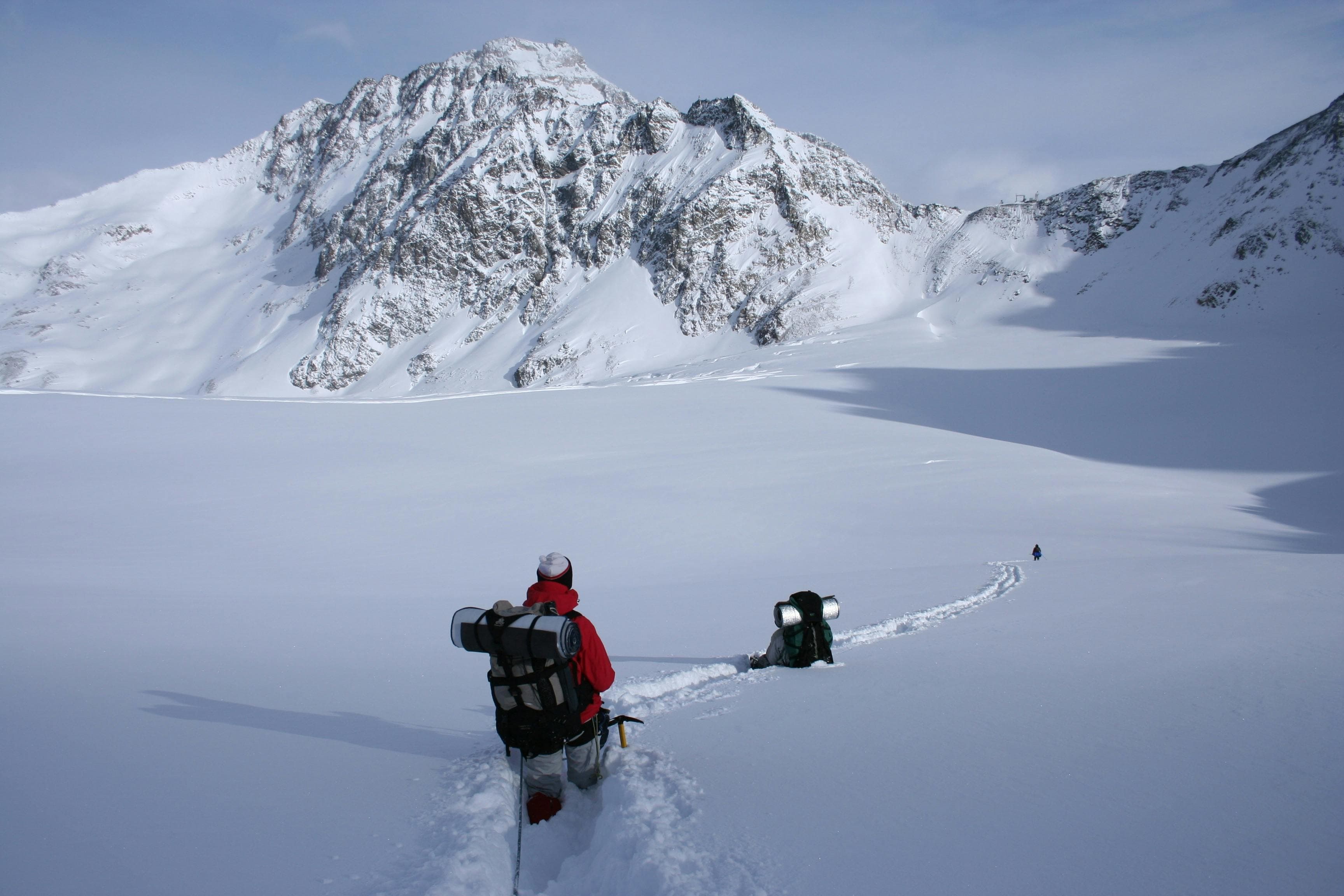
The first major objective of the expedition is Mera Peak (6,476 m), the highest trekking peak in Nepal. The climb offers an incredible introduction to high altitude mountaineering, involving glacier travel, snow climbing, and a rewarding summit experience. From the top of Mera Peak, climbers are rewarded with one of the finest Himalayan panoramas, including breathtaking views of Mount Everest, Lhotse, Cho Oyu, Makalu, Kanchenjunga, and many other surrounding peaks.
After the successful ascent of Mera Peak, the journey continues through one of Nepal’s most spectacular and remote mountain crossings, the Amphu Lapcha Pass (5,845 m). This challenging section takes the expedition through rugged terrain, glaciers, and untouched Himalayan wilderness, creating a true adventure experience far from the traditional trekking routes. The pass crossing requires careful preparation, teamwork, and technical skills while offering some of the most dramatic landscapes in the Himalayas.
Beyond the pass, the expedition enters the heart of the Everest region, where the trail leads to Island Peak (6,189 m), one of Nepal’s most famous and rewarding trekking peaks. The climb provides an exciting mountaineering experience with glacier crossings, steep snow sections, and a spectacular summit ridge. From the top, climbers enjoy incredible views of Lhotse, Nuptse, Ama Dablam, Makalu, Baruntse, and the surrounding Himalayan giants.
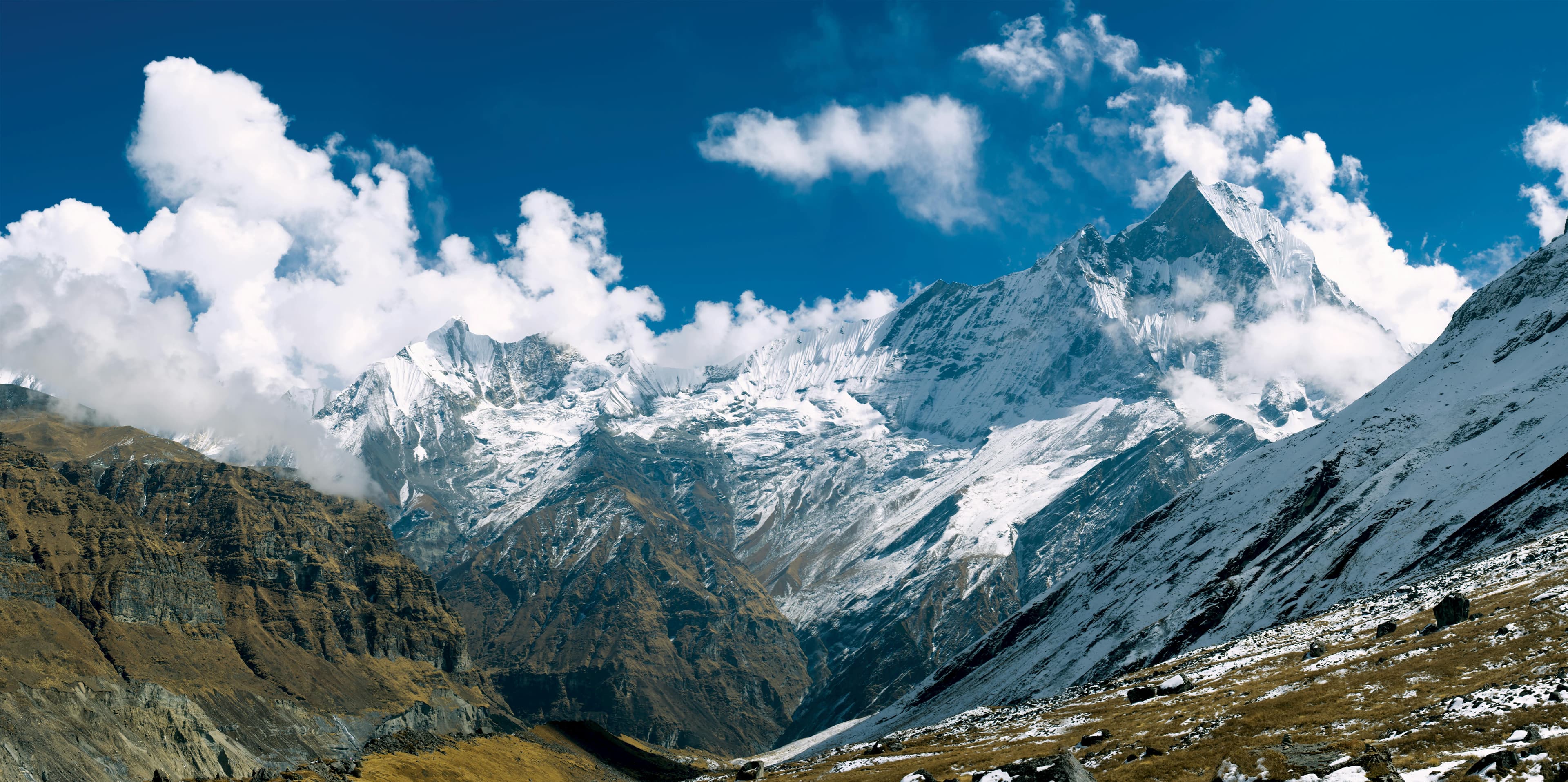
The journey then continues toward the world famous Everest Base Camp (5,364 m) and Kala Patthar (5,545 m), where climbers experience the iconic landscapes of the Khumbu region. Standing beneath the towering walls of the Khumbu Glacier and witnessing the sunrise over Mount Everest from Kala Patthar are among the most memorable highlights of the expedition. Along the way, trekkers experience the rich Sherpa culture, ancient monasteries, traditional villages, and the unique spirit of the Everest region.
The final climbing objective is Lobuche Peak (6,119 m), a spectacular summit that completes this remarkable Himalayan journey. The climb involves glacier travel, steep snow slopes, and technical sections that test endurance and climbing ability. From the summit, climbers are rewarded with magnificent views of Everest, Lhotse, Nuptse, Ama Dablam, Pumori, and the surrounding Himalayan range.
Throughout the expedition, a carefully planned itinerary, gradual acclimatization, professional climbing support, and a strong focus on safety ensure the best possible chance of a successful and enjoyable experience. More than just a climbing trip, the Mera Peak, Island Peak, Everest Base Camp, and Lobuche Peak Expedition is a true Himalayan odyssey combining exploration, endurance, technical challenge, cultural discovery, and the unforgettable achievement of standing on some of Nepal’s most spectacular summits.
Arrival at Tribhuwan International Airport. Our Staff member meets you and transfers you to the hotel.
Overnight stay at a hotel.
After breakfast at the hotel, our guide will meet you at the hotel and provide a briefing about the upcoming trek, including the itinerary, safety information, and important preparations. He will also assist you with all the necessary trekking formalities and paperwork.
After the briefing, we will go on a sightseeing tour around the Kathmandu Valley, visiting famous UNESCO World Heritage Sites such as Boudhanath Stupa, one of the largest Buddhist stupas in the world, and Swayambhunath Stupa, also known as the Monkey Temple. On this day, we will also arrange the TIMS card and other required permits for the trek.In the evening, you will have time to prepare your trekking gear and make the final arrangements for the journey ahead. Overnight stay at a hotel.
After an early breakfast, we will take a scenic mountain flight from Kathmandu to Lukla (2,840 m / 9,317 ft), the gateway to the Everest region. The approximately 35-minute flight offers breathtaking views of the Himalayan range, with stunning landscapes of snow-capped peaks, deep valleys, and rugged mountain terrain. The thrilling landing at Lukla’s hillside airstrip marks the beginning of our Himalayan adventure.
After meeting the trekking crew and making final preparations, we will begin our trek from Lukla toward Chutanga (3,060 m / 10,039 ft). The trail gradually climbs through beautiful forests of rhododendron, pine, and juniper, passing through peaceful mountain landscapes and traditional Sherpa surroundings. As we leave the busy trails behind, the route becomes quieter and more remote, offering a true wilderness experience.
The gradual ascent to Chutanga provides a perfect opportunity for acclimatization while enjoying the fresh mountain air and panoramic views of the surrounding hills and valleys. Nestled in a serene alpine setting, Chutanga is a peaceful overnight stop before continuing toward the higher passes and landscapes ahead. The trek from Lukla to Chutanga takes around 3–4 hours, making it a comfortable first trekking day. Overnight at a guesthouse or teahouse in Chutanga.
Note: The weather in Lukla is highly unpredictable. Occasionally, flights may be delayed or canceled due to adverse weather conditions. If a flight is canceled, you will need to return to your hotel in Kathmandu. Please note that transportation back to the hotel and accommodation for this night are not included. If the weather clears the next day, you will be accommodated on either the 3rd or 4th flight to Lukla. If conditions remain unfavorable, there is also an option to take a helicopter flight. The cost of a helicopter flight is not fixed and will be quoted by the airline on the same day. You should expect to pay an additional approx. 250 USD for the helicopter transfer from Kathmandu to Lukla. Although such situations are rare, we believe it is important to inform you in advance.
After breakfast, we will begin our trek from Chutanga toward Thuli Kharka (3,900 m / 12,795 ft), crossing the challenging yet rewarding Zatrwa La Pass (4,610 m / 15,121 ft). The trail gradually climbs through alpine forests and rugged mountain terrain, offering spectacular views of the surrounding peaks and valleys as we gain elevation.
The ascent to Zatrwa La Pass is one of the most scenic sections of the trek, with the landscape transforming from lush vegetation to rocky alpine terrain. Upon reaching the top of the pass, we are rewarded with breathtaking panoramic views of the Himalayan range, including impressive vistas of the Numbur Himal, Kusum Kanguru, and other surrounding peaks. The pass crossing is a memorable highlight, combining adventure, natural beauty, and a true high-altitude trekking experience.
After taking time to enjoy the views and capture photographs, we will descend gradually from the pass toward Thuli Kharka, a beautiful alpine settlement surrounded by mountains and wilderness. The trail can be steep and rocky in sections, requiring careful walking, but the peaceful landscapes and remote atmosphere make the journey worthwhile.
The trek from Chutanga to Thuli Kharka takes around 6–7 hours, depending on weather conditions and pace. This is a challenging day due to the high pass crossing, so a steady pace and proper acclimatization are important. Overnight at a teahouse in Thuli Kharka.
After breakfast, we will begin our trek from Thuli Kharka toward Kothe (4,095 m / 13,435 ft). The trail follows a scenic route through the remote and less-traveled landscapes of the Mera Peak region, offering a peaceful trekking experience away from the busier trails of the Everest region.
The morning walk begins with a gradual descent through beautiful alpine terrain, passing rocky slopes, scattered juniper and rhododendron vegetation, and traditional mountain landscapes. As we continue, the trail follows the Hinku Khola (river) valley, where the surrounding cliffs, forests, and snow-covered peaks create a spectacular Himalayan backdrop.
The route includes several ups and downs as we make our way deeper into the valley. Along the way, we may catch views of impressive peaks such as Mera Peak and other Himalayan giants depending on the weather conditions. The quiet atmosphere, pristine surroundings, and remote villages make this section of the trek a memorable part of the journey.
Upon reaching Kothe (4,095 m / 13,435 ft), we will settle into a comfortable teahouse and enjoy the peaceful mountain environment. Kothe is a small settlement located along the Hinku Valley and serves as an important stop for trekkers heading toward Mera Base Camp and higher Himalayan routes.
The trek from Thuli Kharka to Kothe takes approximately 6–7 hours. Overnight at a teahouse in Kothe.
After breakfast, we will begin our trek from Kothe toward Thangnak (4,350 m / 14,272 ft), following the beautiful Hinku Khola Valley toward the higher reaches of the Mera Peak region. Today’s walk is relatively gradual, allowing us to continue acclimatizing while enjoying the spectacular Himalayan surroundings.
The trail follows the river valley through a peaceful landscape of alpine forests, rocky terrain, and open grazing areas. Along the way, we will pass traditional mountain settlements and enjoy magnificent views of the surrounding peaks, including glimpses of Mera Peak (6,476 m) rising above the valley. The quiet trails and untouched natural beauty create a truly remote Himalayan trekking experience.
As we gain altitude, the vegetation becomes thinner, and the scenery changes into a dramatic alpine environment with wide valleys, glaciers, and snow-covered mountains in the distance. After a steady walk, we will arrive at Thangnak (4,350 m / 14,272 ft), a small seasonal settlement surrounded by stunning mountain landscapes and a popular resting point before heading toward Mera Base Camp.
The trek from Kothe to Thangnak takes around 4–5 hours, providing a comfortable day for acclimatization and preparation for the higher elevations ahead. Overnight at a teahouse in Thangnak.
After breakfast, we will continue our trek from Thangnak (4,350 m / 14,272 ft) to Khare (5,045 m / 16,548 ft), the final settlement before attempting the ascent of Mera Peak. Today’s trail takes us deeper into the high alpine region, where the landscape becomes more rugged and the views of the Himalayas become increasingly spectacular.
The trek begins with a gradual climb through the beautiful Hinku Valley, following the trail beside glacial streams and rocky terrain. We will pass the stunning Dig Glacier and Hinku Nup Glacier, with the dramatic backdrop of towering peaks surrounding us. The route continues upward toward Khare, with breathtaking views of Mera Peak, Charpate Himal, and other Himalayan summits along the way.
As we gain altitude, the vegetation gradually disappears, and the trail enters a remote alpine wilderness of glaciers, moraines, and snow-covered landscapes. The arrival at Khare (5,045 m / 16,548 ft) marks an important milestone of the trek, as it serves as the main acclimatization and preparation point for the Mera Peak climb. Here, we will have time to rest, explore the surroundings, and prepare our equipment for the upcoming adventure.
The trek from Thangnak to Khare takes around 4–5 hours, depending on trail conditions and pace. Overnight at a teahouse in Khare.
Today is dedicated to acclimatization and preparation before the Mera Peak climbing adventure. As we are now above 5,000 meters, allowing our bodies to adjust to the high altitude is essential for a safe and successful ascent. We will take a well-deserved rest day while staying active with short hikes around the Khare area to help with acclimatization.
During the day, we may explore the surrounding hills and glacier viewpoints, enjoying spectacular panoramic views of Mera Peak, the Hinku Valley, and the surrounding Himalayan peaks. Our climbing guides will also provide important training, including a review of climbing techniques, glacier travel, and the proper use of equipment such as crampons, ice axes, and climbing harnesses.
This acclimatization day also provides an opportunity to check and organize all climbing gear, discuss the upcoming route, and prepare mentally and physically for the challenging days ahead. The peaceful mountain environment of Khare, surrounded by towering peaks and dramatic alpine landscapes, makes it an ideal place to rest and get ready for the Mera Peak summit journey.
Leaving Khare behind, we continue our journey toward Mera Peak High Camp (5,790 m / 18,996 ft), entering a remote and spectacular high-altitude landscape. The trail gradually climbs through rocky moraines and glacial terrain as we make our way toward the Mera Glacier. With every step, the views become more dramatic, revealing a stunning panorama of snow-covered peaks and untouched Himalayan wilderness.
As we approach the glacier, we will put on our climbing equipment and carefully cross the icy section with the support and guidance of our experienced climbing team. The route becomes steeper and more challenging, but the breathtaking surroundings provide constant motivation. Along the way, we may enjoy magnificent views of some of the world’s highest mountains, including Everest, Lhotse, Makalu, Cho Oyu, and Kanchenjunga on clear days.
Reaching Mera Peak High Camp (5,790 m / 18,996 ft) marks an important stage of our climbing adventure. Situated on a rocky ridge with incredible Himalayan views, the camp serves as the final resting point before the summit attempt. We will have time to rest, enjoy a warm meal, check our climbing gear, and receive final instructions from our guides. The trek from Khare to High Camp takes approximately 5–6 hours, depending on weather and trail conditions. Overnight at Mera Peak High Camp.
Today is the most challenging and rewarding day of our adventure as we make the summit push from Mera Peak High Camp to Mera Peak Summit (6,476 m / 21,246 ft). We will start the climb in the early morning hours when the weather conditions are usually more stable. Equipped with crampons, ice axes, and climbing gear, we will ascend slowly across the glacier, following our experienced guides through the high-altitude terrain. The climb requires patience and determination, but the breathtaking surroundings make every step unforgettable.
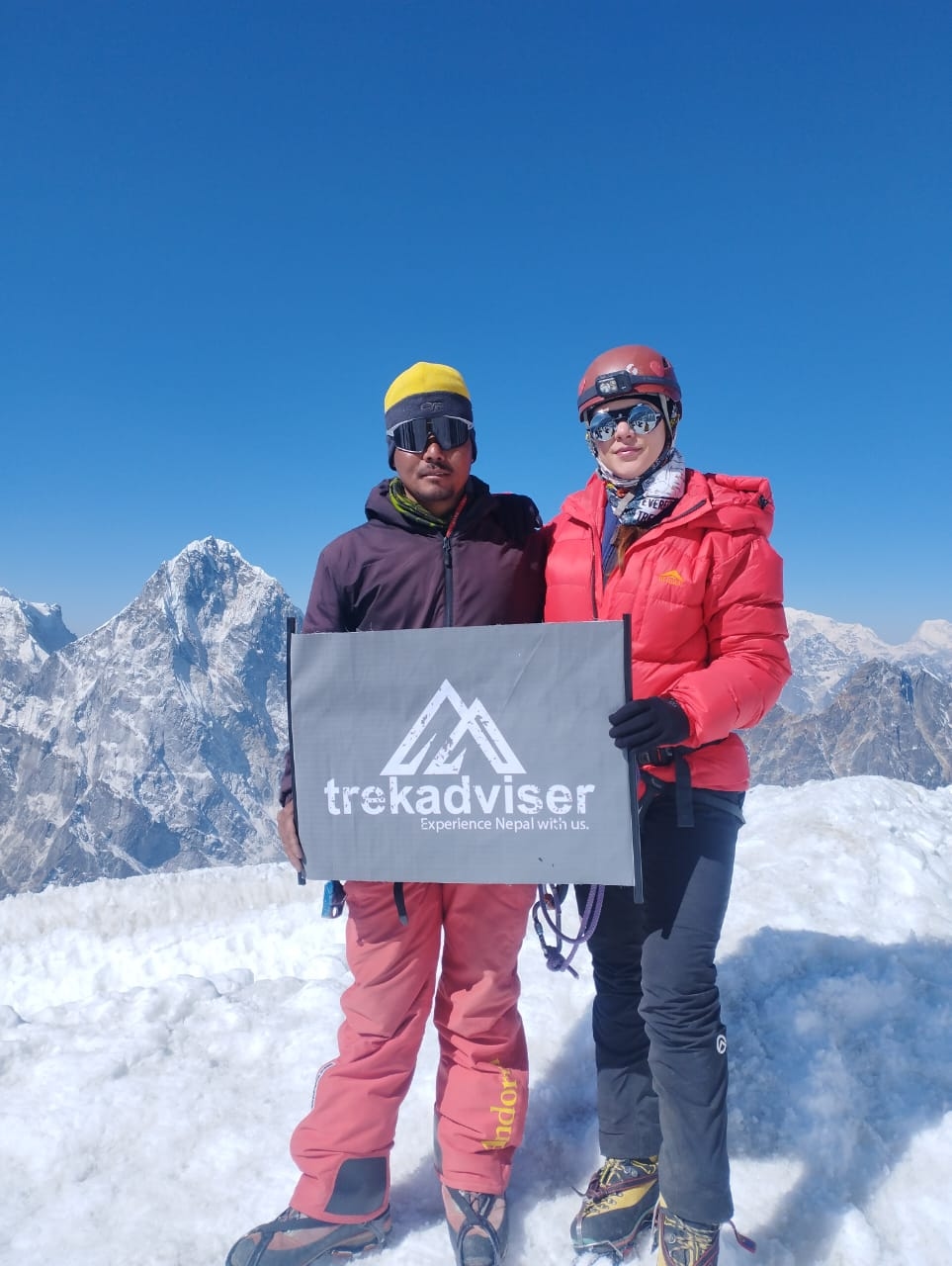
As we approach the summit ridge, the trail becomes steeper and more demanding, but reaching the top of Mera Peak (6,476 m) is an incredible achievement. From the summit, we are rewarded with one of the finest panoramic views in the Himalayas, including spectacular sights of Mount Everest, Lhotse, Makalu, Cho Oyu, Kanchenjunga, and numerous other Himalayan peaks. After spending time celebrating the achievement and capturing unforgettable photographs, we will begin our descent back toward lower elevations.
Descending carefully from the summit, we retrace our route back across the glacier to Khare (5,045 m / 16,548 ft). The return journey allows us to relax and reflect on the incredible experience of standing on one of Nepal’s highest trekking peaks. The summit day is long and demanding, taking approximately 9–12 hours depending on conditions, pace, and weather. Overnight at a teahouse in Khare.
This extra day is reserved as a contingency day in case unfavorable weather conditions, strong winds, heavy snowfall, or other unforeseen circumstances prevent us from making the Mera Peak summit attempt on the planned schedule. Mountain weather can change rapidly at high altitudes, and this additional day provides flexibility to ensure a safer and more successful climbing experience.
If the summit attempt is delayed, our climbing team will carefully assess the weather and route conditions before deciding on the best time to proceed. We will use this day to rest, recover, check our equipment, and make final preparations for the climb. The guides will provide updates and ensure that all safety measures are followed before attempting the summit.
If the weather remains stable and the summit has already been achieved, this day can be used as an extra rest day or to continue descending toward the next destination. Keeping a contingency day in the itinerary allows us to adapt to Himalayan conditions while maximizing the chances of completing the Mera Peak (6,476 m / 21,246 ft) climbing adventure successfully.
Our trail today takes us from Khare to Kongma Dingma (4,850 m / 15,912 ft) through the remote and beautiful landscapes of the Mera region. Descending gradually from the high alpine surroundings of Khare, we follow a scenic route filled with dramatic mountain views, rocky terrain, and peaceful wilderness. The journey offers a welcome change of pace after the demanding summit days.
Continuing through the rugged Himalayan landscape, we pass across open valleys, alpine meadows, and remote sections of the trail that showcase the untouched beauty of the region. Along the way, we can enjoy magnificent views of Mera Peak, Chamlang, and other surrounding Himalayan peaks depending on the weather. The quiet trails and isolated settlements provide an authentic experience of trekking in the remote eastern Himalayas.
By afternoon, we arrive at Kongma Dingma (4,850 m / 15,912 ft), a small mountain settlement surrounded by breathtaking alpine scenery. This peaceful location offers a perfect place to rest and enjoy the serene atmosphere before continuing our journey ahead. The trek from Khare to Kongma Dingma takes approximately 5–6 hours, depending on trail conditions and walking pace. Overnight at a teahouse in Kongma Dingma.
Today we make our way from Kongma Dingma to Seto Pokhari (5,035 m / 16,518 ft), continuing deeper into the remote and spectacular high-altitude wilderness of the eastern Himalayas. The trail gradually climbs through rugged mountain terrain, with dramatic landscapes of rocky slopes, glacial valleys, and towering peaks surrounding us throughout the journey.
The route takes us through a pristine alpine environment with fewer settlements and untouched natural beauty. As we gain elevation, the scenery becomes increasingly barren and majestic, with views of snow-covered peaks, icy landscapes, and vast Himalayan valleys. The peaceful surroundings and remote trails make this section a truly unique trekking experience away from the more crowded routes.
Upon reaching Seto Pokhari (5,035 m / 16,518 ft), we will settle into this remote high-altitude campsite surrounded by impressive mountain scenery. The area offers a serene atmosphere and spectacular views, providing a memorable overnight stop before continuing toward the next stage of our adventure. The trek from Kongma Dingma to Seto Pokhari takes approximately 5–6 hours, depending on trail conditions and pace. Overnight at a tented camp in Seto Pokhari.
The journey continues from Seto Pokhari toward Amphu Lapcha Base Camp (5,400 m / 17,716 ft), taking us deeper into the remote and rugged landscapes of the Makalu and Everest regions. Today’s trail follows a challenging high-altitude route across rocky terrain, glacial landscapes, and isolated valleys, where the raw beauty of the Himalayas surrounds us at every turn.
As we gain elevation, the landscape becomes increasingly dramatic, with towering peaks, frozen lakes, and vast stretches of wilderness creating an unforgettable Himalayan atmosphere. The trail may involve careful walking over uneven ground and moraine sections as we approach the base of the impressive Amphu Lapcha Pass (5,845 m). The remote location and breathtaking scenery make this one of the most adventurous sections of the trek.
Upon arrival at Amphu Lapcha Base Camp (5,400 m / 17,716 ft), we will set up camp and prepare for the challenging pass crossing ahead. Surrounded by massive Himalayan peaks and glaciers, the base camp provides a spectacular resting point and an ideal location to organize equipment and receive a briefing from the trekking team. The trek from Seto Pokhari to Amphu Lapcha Base Camp takes approximately 5–6 hours, depending on conditions and pace. Overnight at a tented camp in Amphu Lapcha Base Camp.
Today is one of the most adventurous and challenging days of the trek as we cross the spectacular Amphu Lapcha Pass (5,850 m / 19,193 ft) and continue toward Chhukung (4,730 m / 15,518 ft). We begin early in the morning, making our way through the high alpine landscape toward the pass. The route involves glacier travel, steep ascents, and technical sections requiring careful movement with the support of our experienced trekking team.
Reaching the top of Amphu Lapcha Pass is a remarkable achievement, offering breathtaking panoramic views of some of the most impressive Himalayan peaks, including Lhotse, Ama Dablam, Baruntse, and surrounding mountain ranges. After enjoying the incredible scenery from the pass, we begin the descent through rocky slopes, glaciers, and moraine terrain toward the Imja Valley. The descent requires caution due to the steep and rugged nature of the trail.
By the end of the day, we arrive at Chhukung (4,730 m / 15,518 ft), a beautiful mountain settlement located beneath some of the Khumbu region’s most iconic peaks. After the demanding pass crossing, we can relax and enjoy the peaceful surroundings while reflecting on the day’s incredible achievement. The trek from Amphu Lapcha Base Camp to Chhukung via Amphu Lapcha Pass takes approximately 8–10 hours, depending on weather, trail conditions, and pace. Overnight at a teahouse in Chhukung.
A short but scenic high-altitude climb brings us from Chhukung to Island Peak High Camp (5,550 m / 18,209 ft), where we prepare for the upcoming summit attempt of Island Peak (6,189 m / 20,305 ft). The route gradually ascends through rocky landscapes, glacial moraines, and alpine terrain, with magnificent views of Lhotse, Nuptse, Ama Dablam, and the surrounding Himalayan peaks accompanying us throughout the journey.
As we move higher toward the high camp, the trail becomes steeper and more rugged, requiring a steady pace and careful footing. Upon reaching the climbing area, our guides will provide a detailed briefing, check all equipment, and review essential climbing techniques and safety procedures for the summit push. The remote mountain environment and dramatic scenery make this section a memorable part of the Island Peak adventure.
Arriving at Island Peak High Camp (5,550 m / 18,209 ft), we will settle in and rest while making final preparations for the early morning ascent. Surrounded by impressive Himalayan peaks and glaciers, the high camp offers a spectacular setting and serves as the final staging point before reaching the summit. The hike from Chhukung to Island Peak High Camp takes approximately 5–6 hours, depending on trail conditions and pace. Overnight at Island Peak High Camp.
Under the glow of the early morning sky, we begin our summit push from Island Peak High Camp to the summit of Island Peak (6,189 m / 20,305 ft). This is the most challenging and rewarding day of the climb, requiring determination, careful movement, and teamwork. Equipped with crampons, ice axes, and climbing gear, we ascend through steep slopes, icy sections, and glacial terrain under the guidance of our experienced climbing team.
Reaching the summit of Island Peak (6,189 m) is an unforgettable achievement, offering breathtaking panoramic views of some of the world’s most iconic Himalayan peaks, including Lhotse, Lhotse Shar, Nuptse, Ama Dablam, Makalu, Baruntse, and numerous surrounding summits. After celebrating the successful climb and capturing incredible photographs from the top, we will begin our careful descent back along the same route.
The descent takes us back through the glacier and rocky sections toward Chhukung (4,730 m / 15,518 ft), where we can finally relax after this demanding but rewarding climb. The summit day is long and physically challenging, taking approximately 10–12 hours depending on weather, snow conditions, and the pace of the group. Overnight at a teahouse in Chhukung.
The trail today connects the beautiful Chhukung Valley with Lobuche (4,940 m / 16,207 ft), taking us back into the classic Everest region trekking route. We begin with a gradual descent toward the Imja Khola Valleybefore climbing toward the well-known settlement of Dingboche. Along the way, we are surrounded by magnificent Himalayan scenery, with impressive views of Ama Dablam, Island Peak, Lhotse, and other towering peaks.
Continuing from Dingboche, the route follows the trail through the wide alpine valley toward Tukla and then climbs the famous Thukla Pass. At the top of the pass, we will pass the memorials dedicated to climbers who lost their lives on Everest expeditions, offering a quiet and reflective moment surrounded by the mountains. The trail then continues across the rugged landscape of the Khumbu region toward Lobuche.
By afternoon, we arrive at Lobuche (4,940 m / 16,207 ft), a small mountain settlement located beneath some of the most dramatic peaks in the Everest region. This is an important overnight stop before heading toward Everest Base Camp and Kala Patthar. The trek from Chhukung to Lobuche takes approximately 7–8 hours, depending on trail conditions and pace. Overnight at a teahouse in Lobuche.
The day begins with an exciting journey from Lobuche toward Everest Base Camp (5,364 m / 17,598 ft), one of the most iconic destinations in the Himalayas. The trail follows the rugged path along the Khumbu Glacier, crossing rocky moraines and glacial terrain while surrounded by towering Himalayan peaks. As we approach the base camp, the excitement builds with every step toward the foot of the world’s highest mountain.
Reaching Everest Base Camp (5,364 m / 17,598 ft) is a memorable achievement, offering a close-up experience of the dramatic Khumbu Glacier and the legendary climbing route to Mount Everest. After spending time exploring the area, taking photographs, and enjoying the incredible surroundings, we begin our return journey toward Gorak Shep (5,170 m / 16,962 ft). The trail retraces the glacier route, providing different perspectives of the breathtaking landscape.
Upon arrival at Gorak Shep (5,170 m / 16,962 ft), we will settle into the highest settlement of the Everest Base Camp trail and rest after this rewarding day. The trek from Lobuche to Everest Base Camp and back to Gorak Shep takes around 7–9 hours, depending on conditions and pace. Overnight at a teahouse in Gorak Shep.
An early morning hike takes us from Gorak Shep to the iconic viewpoint of Kala Patthar (5,545 m / 18,192 ft), offering one of the most spectacular panoramic views in the Everest region. We begin before sunrise to witness the first rays of light illuminating the Himalayan giants, including Mount Everest, Lhotse, Nuptse, Pumori, and the surrounding peaks. The climb is gradual but challenging due to the high altitude, making the achievement of reaching the viewpoint even more rewarding.
Standing at the summit of Kala Patthar (5,545 m), we take time to enjoy the breathtaking scenery and capture unforgettable photographs of the Everest massif. This viewpoint provides one of the closest and most impressive views of Mount Everest, as well as a magnificent perspective of the Khumbu Glacier and surrounding valleys. After soaking in the incredible mountain views, we descend back to Gorak Shep for breakfast before continuing our trek toward Lobuche (4,940 m / 16,207 ft).
The return trail follows the familiar route through the rugged Khumbu landscape, passing across rocky paths and glacial valleys. After arriving at Lobuche, we can relax and reflect on the unforgettable experiences of reaching Everest Base Camp and Kala Patthar. The trek from Gorak Shep to Kala Patthar and back to Lobuche takes approximately 6–7 hours, depending on weather conditions and pace. Overnight at a teahouse in Lobuche.
Today marks the beginning of our preparation for another exciting summit attempt as we move from Lobuche to Lobuche High Camp (5,400 m / 17,717 ft). The route takes us deeper into the high alpine environment, following rocky moraines and glacial landscapes beneath the impressive peaks of the Khumbu region. As we climb higher, the views become increasingly spectacular, with snow-covered mountains surrounding us.
The trail gradually becomes steeper and more rugged as we approach the high camp, requiring careful footing across uneven terrain. Our climbing guides will assist with final preparations, including equipment checks, route briefings, and important safety instructions for the summit attempt. The peaceful atmosphere and dramatic mountain scenery create an unforgettable experience as we settle into the high-altitude surroundings.
Reaching Lobuche High Camp (5,400 m / 17,717 ft), we will prepare for the early morning climb toward the summit of Lobuche East (6,119 m / 20,075 ft). The camp provides a spectacular vantage point of the surrounding Himalayan peaks and serves as the final staging area before the ascent. The trek from Lobuche to High Camp takes approximately 4–5 hours, depending on trail conditions and walking pace. Overnight at Lobuche High Camp.
The most challenging and rewarding day of the Lobuche climb begins with an early morning ascent from Lobuche High Camp toward the summit of Lobuche East (6,119 m / 20,075 ft). Under the guidance of our experienced climbing team, we will make our way through steep snow slopes, icy sections, and glacial terrain using essential climbing equipment. The climb requires focus, steady pacing, and determination as we approach the higher reaches of the mountain.
Standing on the summit of Lobuche East (6,119 m) is a remarkable achievement, offering breathtaking panoramic views of the Himalayan range. From the top, we can enjoy spectacular vistas of Everest, Lhotse, Nuptse, Ama Dablam, Pumori, Cholatse, and numerous surrounding peaks. After taking time to celebrate the summit success and capture unforgettable photographs, we will carefully begin our descent back toward lower elevations.
The descent follows the same route back to Lobuche (4,940 m / 16,207 ft), where we can rest and recover after this demanding but rewarding climbing day. The summit push is a long and strenuous journey, usually taking around 10–12 hours depending on weather, snow conditions, and the pace of the group. Reaching the summit of Lobuche East marks another incredible milestone in our Himalayan adventure. Overnight at a teahouse in Lobuche.
This additional day is reserved as a contingency day in case unfavorable weather conditions, heavy snowfall, strong winds, or other unexpected circumstances prevent us from completing the planned Lobuche East summit attempt (6,119 m / 20,075 ft) on schedule. Weather in the high Himalayas can change rapidly, and this flexible day provides an opportunity to prioritize safety while increasing the chances of a successful climb.
If the summit attempt is delayed, our climbing team will carefully monitor the weather and route conditions before making a decision on the next suitable window for the ascent. This day can be used for rest, recovery, equipment checks, and final preparations while waiting for safer climbing conditions. Our guides will provide necessary instructions and ensure that all safety measures are followed.
If the summit has already been completed as planned, this extra day can be used as a buffer for the itinerary or additional rest before continuing the trek. Having a contingency day allows us to adapt to unpredictable Himalayan conditions and complete the Lobuche East climbing adventure in a safer and more comfortable manner.
The trail today takes us from Lobuche to the beautiful village of Tengboche (3,860 m / 12,664 ft)as we gradually descend through the heart of the Khumbu region. Leaving the high alpine landscapes behind, we follow the trail through the wide valleys and rugged mountain terrain, enjoying a refreshing change in scenery as the landscape becomes greener and more vibrant.
The route descends through Thukla and continues toward Dingboche, offering spectacular views of the surrounding Himalayan peaks, including Ama Dablam, Lhotse, Nuptse, and Everest in the distance. From there, we continue through picturesque Sherpa villages, forests, and hillside trails before reaching Tengboche, one of the most culturally significant settlements in the Everest region.
Upon arrival at Tengboche (3,860 m / 12,664 ft), we will have the opportunity to visit the famous Tengboche Monastery, surrounded by a breathtaking backdrop of Himalayan peaks. This peaceful village provides a perfect place to relax after the high-altitude journey and enjoy the unique combination of mountain scenery and Sherpa culture. The trek from Lobuche to Tengboche takes approximately 6–7 hours, depending on trail conditions and pace. Overnight at a teahouse in Tengboche.
The journey continues through the heart of the Khumbu region as we trek from Tengboche to Namche Bazaar (3,440 m / 11,286 ft), one of the most vibrant and famous Sherpa settlements in Nepal. The trail begins with a descent through beautiful rhododendron and pine forests toward the Dudh Koshi River, offering peaceful surroundings and excellent views of the surrounding mountains.
Crossing suspension bridges and passing through charming villages, we follow the winding trail along the river valley before beginning the gradual climb toward Namche Bazaar. Along the way, we are rewarded with magnificent views of Ama Dablam, Thamserku, and Everest on clear days. The route combines natural beauty with cultural experiences as we pass traditional Sherpa villages, prayer wheels, and colorful monasteries.
Arriving at Namche Bazaar (3,440 m / 11,286 ft), we return to the lively trading hub of the Everest region, known for its traditional houses, local markets, and spectacular mountain setting. After the quiet and remote sections of the trek, Namche offers a chance to relax, explore, and enjoy its unique atmosphere. The trek from Tengboche to Namche Bazaar takes approximately 5–6 hours, depending on trail conditions and pace. Overnight at a teahouse in Namche Bazaar.
Our final trekking day in the Everest region takes us from Namche Bazaar (3,440 m / 11,286 ft) back to Lukla (2,840 m / 9,317 ft), following the familiar trails through the beautiful landscapes of the Khumbu Valley. The route gradually descends through forests, traditional Sherpa villages, and along the Dudh Koshi River, allowing us to enjoy the last views of the Himalayan scenery that has accompanied us throughout the journey.
The trail passes through several charming settlements, including Phakding and Monjo, with opportunities to cross suspension bridges and revisit the peaceful valleys and mountain paths of the region. As we continue toward Lukla, the air becomes warmer, the vegetation becomes greener, and the trail offers a pleasant transition from the high mountains back to the lower valleys.
Upon reaching Lukla (2,840 m / 9,317 ft), we celebrate the completion of our incredible Himalayan adventure. This final evening provides time to relax, thank the trekking crew, and reflect on the unforgettable experiences of crossing high passes, reaching legendary viewpoints, and exploring the remote beauty of the Everest region. The trek from Namche Bazaar to Lukla takes approximately 6–7 hours, depending on trail conditions and walking pace. Overnight at a guesthouse in Lukla.
The journey concludes with a scenic morning flight from Lukla to Kathmandu (1,400 m / 4,600 ft), offering one last opportunity to enjoy breathtaking views of the Himalayan landscapes. The short flight takes approximately 35 minutes, with spectacular aerial views of mountain ranges, deep valleys, and the dramatic terrain that shaped our unforgettable trekking adventure.
Upon arrival in Kathmandu, we will transfer to the hotel and have time to rest after completing the incredible journey through the Everest region. The remainder of the day can be spent relaxing, exploring the vibrant streets of the city, or celebrating the successful completion of the trek and multiple Himalayan climbing experiences.
This marks the end of our remarkable adventure, filled with high mountain passes, challenging summit climbs, breathtaking landscapes, and unforgettable memories from the heart of the Himalayas. Overnight at a hotel in Kathmandu.
After breakfast, we will have some free time in Kathmandu before your final departure. Depending on your flight schedule, you may relax at the hotel, explore nearby areas, or do some last-minute shopping for souvenirs and gifts to remember your Himalayan adventure.
At the appropriate time, our team will transfer you to Tribhuvan International Airport for your onward flight. We will bid farewell as you depart with unforgettable memories of the incredible journey through the Everest region, including high mountain passes, challenging summit climbs, and the warm hospitality of the Himalayan communities.
With the completion of this extraordinary adventure, we hope you leave Nepal with lasting impressions of the mountains, culture, and experiences that made this journey truly special. We look forward to welcoming you again for another Himalayan adventure in the future.