

Arrival at Tribhuwan International Airport. Our Staff member meets you and transfers you to the hotel.
Overnight stay at a hotel.
Everest Region

Trek Starting Point
Lukla

Trek Ending Point
Lukla

Departure From
Ramechhap

Transportation
Domestic flight

Style
High-altitude trekking & peak climbing

Meal
Breakfast, Lunch, Dinner

Accommodation
Tourist standard hotel in Kathmandu, Teahouse during trek
Mera Peak Climbing is one of Nepal's most rewarding high-altitude adventures, combining remote Himalayan trekking with an unforgettable mountaineering experience. Standing at 6,476 meters (21,247 feet), Mera Peak is the highest trekking peak in Nepal and an ideal choice for trekkers looking to take their first step into Himalayan climbing. While the expedition is physically demanding, it is achievable for fit and determined adventurers with proper acclimatization, basic climbing instruction, and the guidance of experienced professionals.
The journey takes you into the pristine Hinku Valley of the Everest region, where spectacular mountain scenery, traditional Sherpa culture, and peaceful trekking trails create an experience unlike any other. Away from the busier routes, the trail passes through lush forests, alpine meadows, glacial valleys, and remote mountain settlements, offering a quieter and more immersive Himalayan adventure.
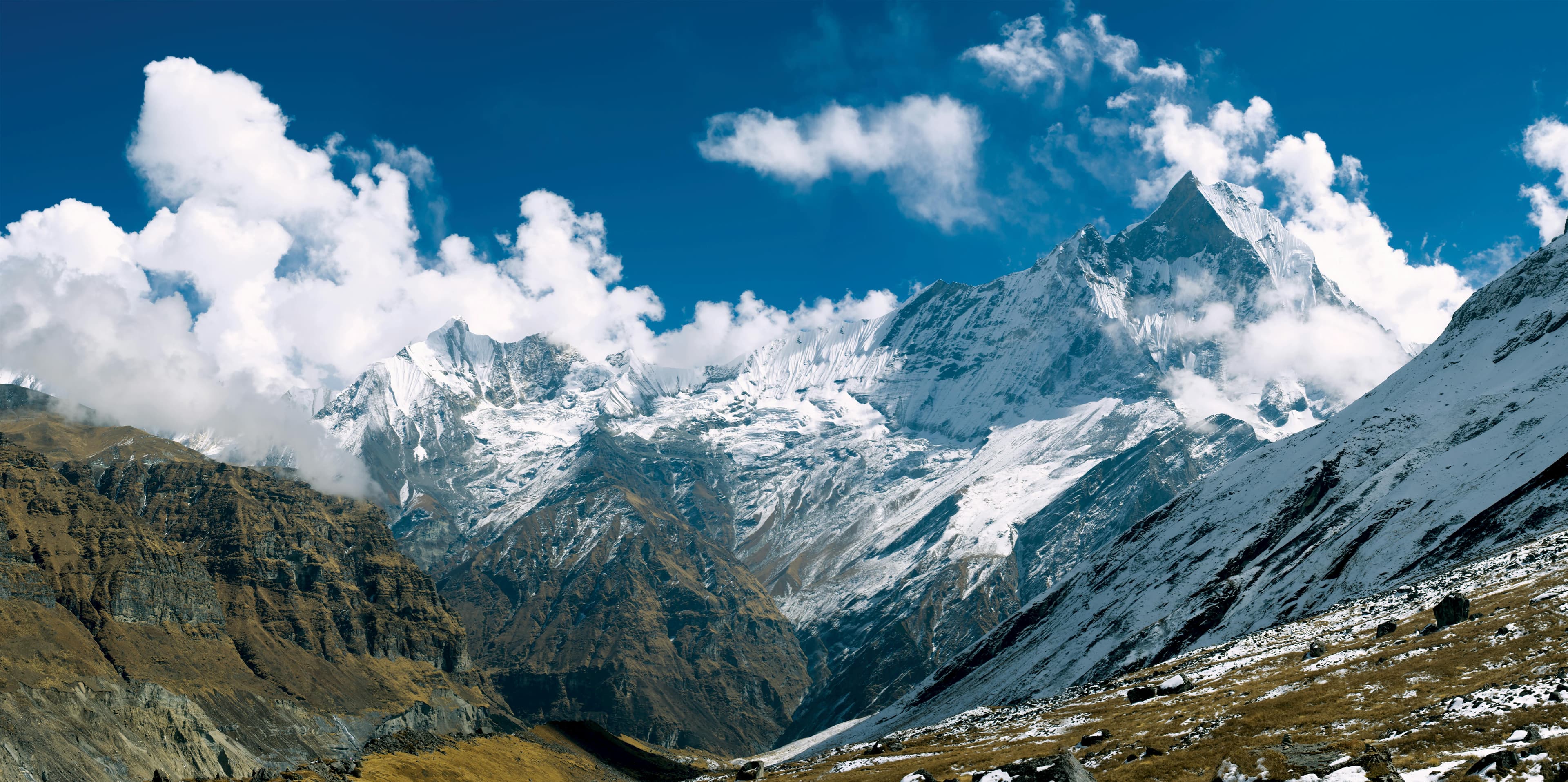
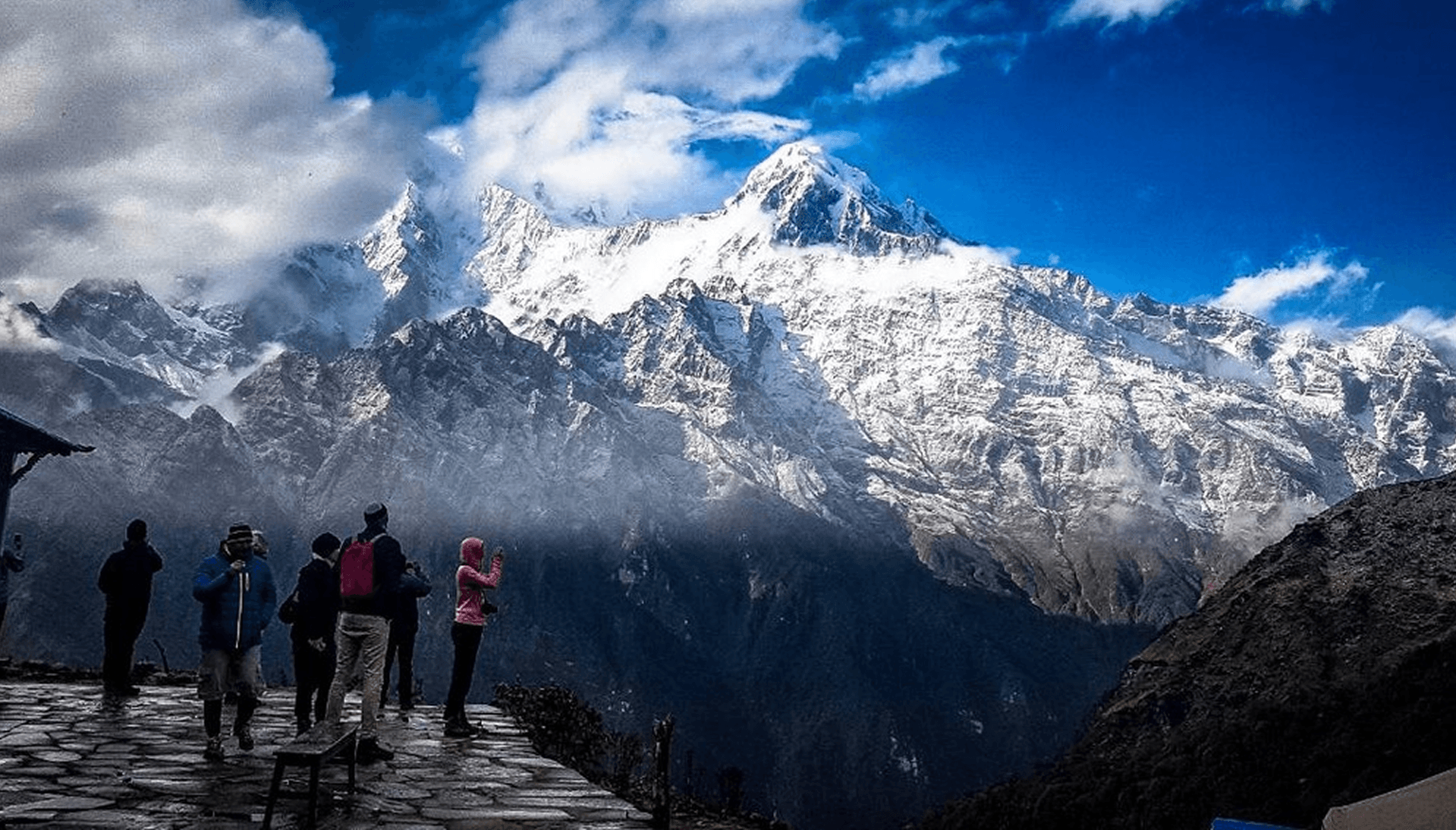
Reaching the summit of Mera Peak is the highlight of the expedition. From the top, climbers are rewarded with one of the most spectacular panoramic views in the Himalayas, including Mount Everest, Lhotse, Makalu, Cho Oyu, and Kanchenjunga. Witnessing five of the world's highest mountains from a single summit is a rare experience and one of the reasons Mera Peak is considered one of Nepal's most iconic trekking peaks.
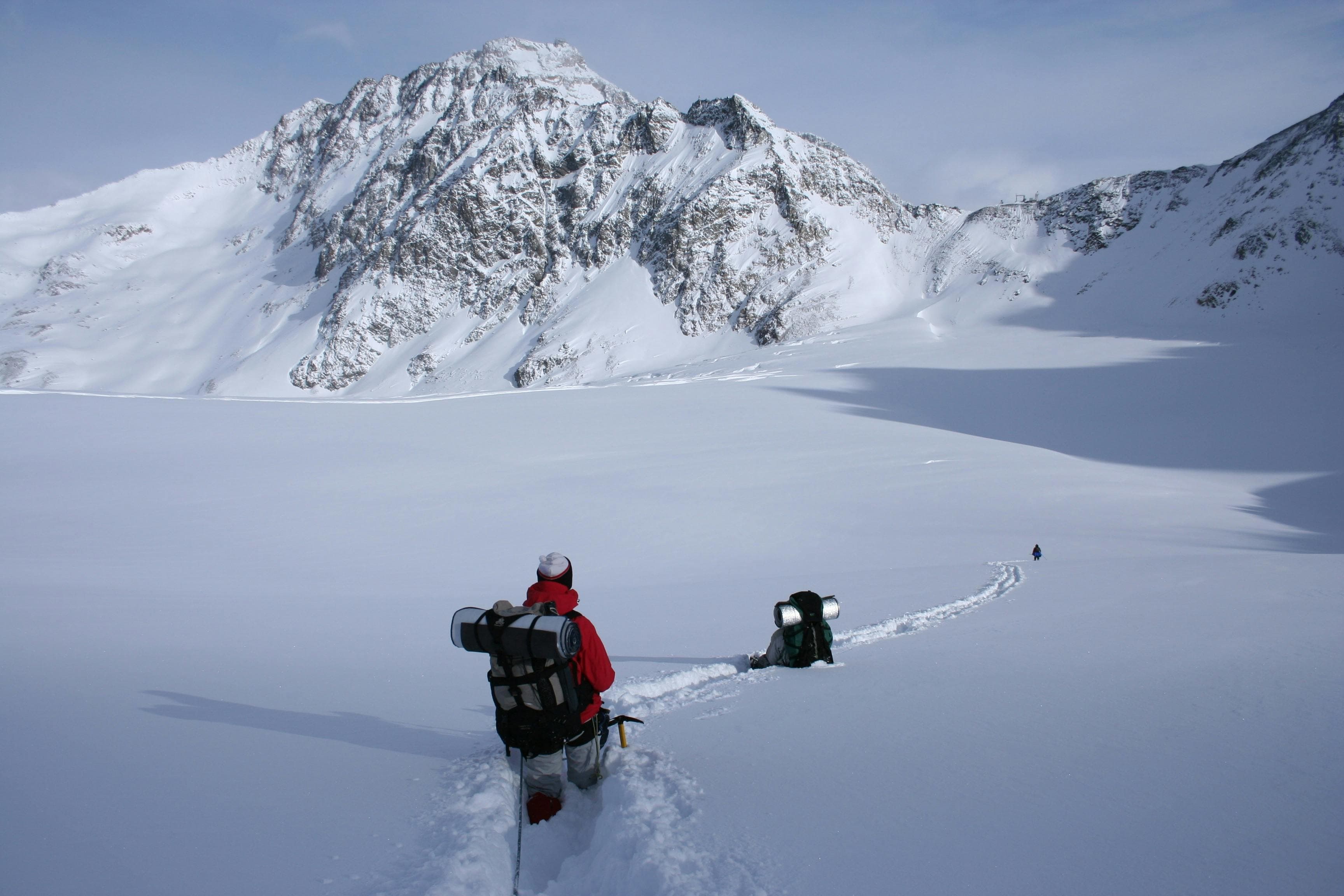
Although Mera Peak is classified as a trekking peak, the ascent is a genuine mountaineering challenge. The climb involves glacier travel, snow-covered slopes, and the use of basic climbing equipment, including crampons, harnesses, ice axes, and fixed ropes. Before the summit attempt, our experienced climbing guides provide practical training and safety briefings to ensure every climber feels prepared and confident.
Our itinerary is carefully designed with gradual altitude gain and dedicated acclimatization to support a safe and enjoyable climbing experience. A contingency day is also included to provide flexibility in case of unfavorable weather or other unforeseen circumstances, reflecting our commitment to responsible mountain travel and climber safety.
Whether you are an experienced trekker aiming for your first Himalayan summit or an adventurous traveler seeking a meaningful challenge, Mera Peak Climbing offers the perfect balance of trekking, mountaineering, cultural discovery, and breathtaking scenery. Join us for a professionally guided expedition and experience the satisfaction of standing on the highest trekking peak in Nepal while creating memories that will last a lifetime.
Arrival at Tribhuwan International Airport. Our Staff member meets you and transfers you to the hotel.
Overnight stay at a hotel.
After breakfast at the hotel, our guide will meet you at the hotel and provide a briefing about the upcoming trek, including the itinerary, safety information, and important preparations. He will also assist you with all the necessary trekking formalities and paperwork.
After the briefing, we will go on a sightseeing tour around the Kathmandu Valley, visiting famous UNESCO World Heritage Sites such as Boudhanath Stupa, one of the largest Buddhist stupas in the world, and Swayambhunath Stupa, also known as the Monkey Temple. On this day, we will also arrange the TIMS card and other required permits for the trek.In the evening, you will have time to prepare your trekking gear and make the final arrangements for the journey ahead. Overnight stay at a hotel.
We start the day with an early morning flight from Kathmandu to Lukla (2,840 m / 9,317 ft), a short 35-minute journey that treats us to breathtaking vistas of the towering Himalayan peaks. Landing on Lukla’s dramatic hillside airstrip, with mountains looming on all sides and a sheer drop at the runway’s edge, immediately immerses us in the adventure of the Everest region.
From Lukla, our trek begins along a gentle, scenic trail through terraced fields and small Sherpa villages, offering glimpses of traditional mountain life. The path gradually winds down into the Dudh Koshi River valley, framed by majestic peaks and dense pine forests. After 3–4 hours of walking over 8–10 km (5–6 miles), we arrive at the peaceful village of Paiya (2,730 m / 8,956 ft), where we settle in for the night at a cozy guesthouse, breathing in the crisp mountain air and soaking in the tranquil Himalayan landscapes. Overnight at teahouse.
Note: The weather in Lukla is highly unpredictable. Occasionally, flights may be delayed or canceled due to adverse weather conditions. If a flight is canceled, you will need to return to your hotel in Kathmandu. Please note that transportation back to the hotel and accommodation for this night are not included. If the weather clears the next day, you will be accommodated on either the 3rd or 4th flight to Lukla. If conditions remain unfavorable, there is also an option to take a helicopter flight. The cost of a helicopter flight is not fixed and will be quoted by the airline on the same day. You should expect to pay an additional approx. 250 USD for the helicopter transfer from Kathmandu to Lukla. Although such situations are rare, we believe it is important to inform you in advance.
After a hearty mountain breakfast in Paiya (2,730 m / 8,956 ft), we set off on the trail that leads us deeper into the rugged beauty of the Solu–Khumbu region. The path initially descends gently before crossing the Paiya Khola over a wooden bridge, its rushing waters echoing against the valley walls. From here, the route begins to rise more steadily as we make our way through enchanting forests of rhododendron and bamboo, the rich scents of earth and wildflowers filling the crisp Himalayan air.
As we trek, distant panoramas of Dudh Kund Himal and other lofty peaks unfold, reminding us why this region is beloved by trekkers and climbers alike. The terrain shifts between gentle ascents and shaded forest sections, giving both challenge and charm to the day’s journey. After approximately 5–6 hours on the trail and around 10–12 km (6–7 miles) of varied terrain, we arrive at the serene village of Panggom (2,846 m / 9,337 ft). Here in this traditional mountain settlement, with its warm hospitality and mountain views, we rest and reflect on the day’s adventure before settling in for the night at a cozy teahouse.
Overnight at a teahouse.
After a nourishing breakfast in Panggom (2,846 m / 9,337 ft), we set out on today’s trek deeper into the high Solu–Khumbu foothills. Leaving the charming village behind, the trail climbs gently toward the Panggom La Pass, where sweeping views of the Hinku Valley and distant Himalayan ridges open up, offering our first real sense of the wild grandeur ahead.
From the pass, the route undulates through rolling hills and forested ridges, passing through fragrant rhododendron and pine woodlands. You’ll cross the babbling Peseng Kharka Khola and follow narrow, sometimes rocky paths that demand steady footing but reward you with changing vistas and a deepening connection to the mountains.
After approximately 4–5 hours of trekking and about 10–13 km (6–8 miles) of real mountain walking, we arrive in the tranquil village of Ningsow (2,863 m / 9,393 ft). Nestled among lush hillsides, this lesser-visited settlement offers peace, authentic Himalayan hospitality, and the perfect setting to relax and reflect on the day’s journey before settling in for the night at a cozy guesthouse.
Overnight stay at a teahouse.
After a peaceful night in Ningsow (2,863 m / 9,393 ft), today’s journey takes us deeper into the enchanting Hinku Valley. Setting off after breakfast, the trail initially climbs gently through forested hillsides, offering intermittent glimpses of distant peaks. As we reach Ramailo Danda, we’re rewarded with spectacular panoramas of Mera Peak and Salpa Peak, their snow‑capped summits shimmering against the broad Himalayan sky.
From here, the trail undulates with a series of ascents and descents, winding through tall stands of rhododendron, bamboo, and pine. Entering Makalu Barun National Park, one of Nepal’s most biodiverse protected areas, we may spot birds, deer, and even the elusive red panda among the undergrowth.
After approximately 7–8 hours of trekking over varied terrain and roughly 10–14 km (6–9 miles) on the trail, we descend toward the banks of the river and arrive in the tranquil settlement of Chhatrakhola (2,800 m / 9,186 ft). Here you’ll find simple tea houses nestled beside the rushing waters, offering welcome rest, hot meals, and the soothing sounds of the Himalayan wilderness as the day draws to a close.
Overnight stay at a teahouse.
After a peaceful night beside the river in Chhatrakhola (2,800 m / 9,186 ft), we begin today’s journey northward into the heart of the Hinku Valley. The trail follows the gentle rhythm of the landscape, initially winding alongside the Majang Khola before merging with the path that runs beside the broader Hinku Khola river. The walk leads through lush forests of pine, bamboo, and rhododendron, where the cool mountain breeze carries the scent of earth and wild blooms.
As we trek further, the valley gradually opens, and expansive views of the towering snow‑capped peaks begin to fill the horizon, hinting at the higher alpine terrain ahead. Crossing small streams and undulating over gentle ridges, we pause to soak in the serene wilderness and the dramatic interplay of river, forest, and mountain that defines this remote region.
After around 6–7 hours of walking and roughly 10–12 km (6–7 miles) on varied but steady terrain, we arrive at the charming settlement of Kothe (3,691 m / 12,109 ft). Nestled on the banks of the Hinku Khola, Kothe offers a welcoming respite with well‑established tea houses, warm meals, and sweeping mountain vistas,a perfect setting to rest, acclimatize, and prepare for the higher terrain that lies ahead. Overnight stay at a teahouse.
After a restful morning in Kothe (3,691 m / 12,109 ft), we lace up our boots and set out on today’s journey toward higher alpine terrain. Leaving the riverside settlement behind, the path gradually climbs through open meadows and rocky ridges, with the dramatic slopes of Mera Peak and neighboring giants casting their shadows across the Hinku Valley.
Mid‑morning, we reach Gondishung, a traditional summer herders’ settlement where yaks graze and the rhythm of mountain life seems almost timeless. Continuing through alpine pastures, we pass by Lungsumgba Gompa, a 200‑year‑old sacred site etched beneath a massive rock, where trekkers often pause to reflect and offer prayers for a safe journey ahead.
From here, it’s a short walk through the open valley floor before we arrive at Thaknak (4,358 m / 14,297 ft), a high‑altitude grazing area nestled in the embrace of surrounding peaks. The crisp air and vast mountain panoramas make this a memorable stop, and in the cozy lodges here you’ll enjoy a well‑earned rest, hot meals, and the peaceful hush of the high Himalayas. Overnight stay at a teahouse.
After a refreshing morning in Thaknak (4,358 m / 14,297 ft), we set out on one of the most thrilling high‑altitude days of the trek. Today’s ascent is shorter in distance but noticeably steeper, as we leave the broad grazing pastures behind and enter the stark, glacially sculpted upper reaches of the Hinku Valley.
The trail winds along rocky terrain, following the lateral moraine of the Dig Glacier. As we ascend past shimmering glacial streams and moraine ridges, the vegetation thins, and the surrounding peaks feel closer with every step. From this vantage, the rugged alpine ridges of the Mahalangur Himal begin to dominate the skyline, including the towering presence of Mera Peak (6,476 m / 21,247 ft) in the distance, a constant reminder of the challenges ahead. Over the course of about 4–6 km (2.5–3.7 miles) and roughly 3–5 hours of trekking, you’ll gain over 680 m in elevation, steadily climbing toward Khare (5,045 m / 16,552 ft), a high‑altitude settlement that serves as the main base area for Mera Peak expeditions. The crisp air, vast glacial landscapes, and towering peaks make the approach both exhilarating and humbling.
In Khare, simple lodges and tea houses offer a warm welcome, hot meals, and a place to rest and acclimatize. Surrounded by snow-capped summits and sweeping alpine vistas, it’s the perfect setting to prepare for the next stage of the adventure, the trek to Mera High Camp. Overnight stay at a teahouse.
Today is reserved for acclimatization at Island Peak Base Camp (5,200 m / 17,060 ft), allowing our bodies to adjust to the high altitude before crossing the challenging Amphu Lapcha Pass. Proper acclimatization is essential at this elevation to ensure a safe and successful continuation of the trek.During the day, we will take a short hike to higher ground above base camp, following the principle of “climb high, sleep low,” while enjoying spectacular views of Lhotse, Island Peak, and surrounding himalayan peaks. There will also be time to rest, hydrate, and prepare gear for the upcoming glacier crossing. Depending on conditions, your guide may provide a basic briefing on movement over snow and ice.This day plays a crucial role in improving acclimatization and overall safety before tackling the most technical section of the trek. Overnight stay at a teahouse.
After an early breakfast in Khare (5,045 m / 16,552 ft), we begin our steady ascent toward Mera High Camp (5,780 m / 18,963 ft), a demanding yet rewarding climb into the high alpine world. The trail rises gradually at first before steepening as we make our way over rocky moraine and onto the glacier, where crampons may be required depending on conditions. With every step, the landscape becomes more dramatic and remote. Snowfields stretch ahead, and towering peaks begin to surround us in every direction. As we gain elevation, breathtaking views open up, revealing giants like Mount Everest, Lhotse, Makalu, and Cho Oyu in the distance,a truly unforgettable Himalayan panorama. Covering approximately 4–7 km (2.5–4.3 miles) over 5–7 hours, the climb is slow and steady due to the altitude and terrain. Upon reaching High Camp, perched on a rocky outcrop above the glacier, we are rewarded with one of the most spectacular viewpoints in the Himalayas. As evening falls, we rest early in simple camp conditions, surrounded by silence, stars, and towering peaks, preparing ourselves for the summit push that lies ahead. Overnight stay at a tented Camp.
Long before dawn, under a sky filled with stars, we begin our summit push from Mera High Camp (5,780 m / 18,963 ft). Equipped with headlamps and climbing gear, we move slowly and steadily onto the glacier, our breath visible in the freezing air as we follow our Sherpa guides across the vast snowfields. The climb is gradual but relentless. Roped together for safety, we ascend the broad glacier, each step deliberate in the thin mountain air. As the first light of dawn breaks, a breathtaking Himalayan panorama unfolds, the towering silhouettes of Mount Everest, Lhotse, Makalu, and Cho Oyu glowing in golden hues, a sight few places on earth can offer. After 6–9 hours of steady climbing, we reach the summit of Mera Peak (6,476 m / 21,247 ft). Standing atop Nepal’s highest trekking peak, surrounded by a sea of Himalayan giants, the sense of achievement is both humbling and unforgettable.
After taking time to celebrate and capture the moment, we begin our careful descent. Retracing our steps, we return to High Camp before continuing down toward Khare (5,045 m / 16,552 ft). The long descent takes 4–6 hours, demanding focus as fatigue begins to set in. Exhausted yet exhilarated, we finally arrive back in Khare after a 10–14 hour day, where a warm meal and well-earned rest mark the end of an extraordinary journey, the true highlight of the Mera Peak adventure. Overnight stay at a teahouse.
This day is set aside at Khare (5,045 m / 16,552 ft) as a vital buffer in case of unfavorable weather or unforeseen delays during the ascent of Mera Peak (6,476 m / 21,247 ft). In the high Himalayas, conditions can shift quickly, and having this extra day provides the flexibility needed to wait for a safe and clear summit window.
If the climb has already been completed as planned, the day becomes a welcome opportunity to rest and recover after the physically demanding summit push. You may take short walks around the glacial surroundings, soak in the dramatic mountain scenery, or simply relax in the quiet comfort of the lodge. Surrounded by towering peaks and vast alpine landscapes, this reserve day at Khare adds both safety and ease to the journey, allowing the adventure to unfold at its natural pace while ensuring the best possible experience in the mountains.
Overnight stay at a teahouse.
After our time in Khare (5,045 m / 16,552 ft), we begin the descent, retracing our steps down the Hinku Valley. Leaving the high alpine terrain behind, the trail gradually leads us down past rocky moraines and glacial streams, with the towering peaks slowly receding into the distance.
As we lose elevation, the landscape begins to soften, patches of vegetation reappear, and the air feels noticeably richer. Passing through familiar stops like Thaknak, we continue along the valley, following the gentle course of the river through wide open spaces and quiet mountain surroundings. Covering approximately 12–15 km (7–9 miles) over 6–7 hours, the descent to Kothe (3,691 m / 12,109 ft) is long but rewarding, offering a sense of reflection after the intensity of the higher elevations.
Arriving back in Kothe, nestled beside the Hinku Khola, we settle into a comfortable lodge, enjoying the warmer air, a hearty meal, and the satisfaction of having journeyed through some of the most remote and beautiful landscapes in the Himalayas.
Overnight at a teahouse in Kothe.
After a restful night in Kothe (3,691 m / 12,109 ft), we begin our descent toward the broader Hinku Valley before gradually turning westward toward the alpine pastures of Thuli Kharka. The trail follows the river through rocky terrain, passing through scattered shrubs and open slopes that begin to feel more rugged as we approach the higher grazing lands.
Over about 8–10 km (5–6 miles) and 4–5 hours of trekking, we lose some elevation before heading gently uphill again into thinner air and expansive mountain vistas. Soon the quiet pastures and seasonal huts of Thuli Kharka (4,300 m / 14,107 ft) come into view, a serene high‑altitude spot framed by rolling ridges and distant peaks. Here, simple lodges and yak herder huts offer a peaceful place to rest, with the sound of the Hinku Khola echoing across the valley floor.
Overnight at a teahouse or campsite in Thuli Kharka.
We will begin our trek early from Thuli Kharka, ascending steadily along alpine meadows, rocky ridges, and high pastures toward Puiyan ( 4,250 m / 13,940 ft). The trail passes scattered shepherd huts, glacial streams, and open alpine valleys, offering sweeping views of Ama Dablam, Cholatse, and Taboche. The trek is moderate but high-altitude conditions make progress slower than at lower elevations. The day’s trek covers approximately 10–12 km (6–7.5 miles) and takes 5–7 hours, depending on pace, weather, and trail conditions. Trekkers are rewarded with serene Himalayan vistas, peaceful high pastures, and a sense of accomplishment from traversing this remote part of the Khumbu region.
Overnight at guesthouse in Puiyan.
At dawn, we set out from Puiyan, ascending gently toward the challenging Zatrwa La Pass (4,500 m / 14,764 ft). The trail winds over rocky ridges, glacial moraines, and high pastures, offering breathtaking views of Ama Dablam, Cholatse, and Taboche. After crossing the pass, we descend steadily through alpine valleys and forests, passing glacial streams, shepherd huts, and small Sherpa settlements, making our way down to Lukla (2,860 m / 9,383 ft), the gateway to the Khumbu region. The day’s trek covers approximately 12–14 km (7–8.5 miles) and takes 6–8 hours, depending on pace and trail conditions. The journey offers sweeping Himalayan vistas, the excitement of crossing a remote high pass, and the fulfillment of arriving in Lukla.
Overnight at a guesthouse in Lukla.
After successfully completing the Mera Peak climb, we board a small plane at Lukla Airport (2,840 m / 9,317 ft) for the scenic flight back to Kathmandu (1,400 m / 4,600 ft). The morning air is crisp, and the runway, perched on a steep hillside, reminds us of the thrilling start to our Himalayan adventure.
As the plane lifts off, the valleys and ridges stretch beneath us, offering breathtaking views of snow-capped peaks, glacial streams, and villages tucked into the mountainsides. The flight lasts approximately 35 minutes, providing one last, awe-inspiring perspective of the region we traversed on foot. Landing in Kathmandu, the contrast is immediate: the city’s bustling streets replace the tranquility of the high mountains. Yet, the memories of towering peaks, alpine meadows, and the achievement of Mera Peak remain vivid, a journey that was as physically challenging as it was profoundly rewarding.
Overnight stay at a hotel.
Today marks the end of your Mera Peak adventure. Depending on your flight schedule, you will be transferred from your hotel in Kathmandu (1,400 m / 4,593 ft) to Tribhuvan International Airport for your onward journey. Take this time to reflect on the incredible experiences, breathtaking Himalayan scenery, and cultural encounters you have enjoyed throughout your trek. Safe travels and fond memories accompany you as you depart from Nepal.