

Arrival at Tribhuwan International Airport. Our Staff member meets you and transfers you to the hotel.
Overnight stay at a hotel.
Langtang Region

Trek Starting Point
Syabrubesi

Trek Ending Point
Syabrubesi

Departure From
Kathmandu

Transportation
Private Vehicle, Local Jeep

Style
High-altitude trekking & peak climbing

Meal
Breakfast, Lunch, Dinner

Accommodation
Tourist standard hotel in Kathmandu, Teahouse during trek
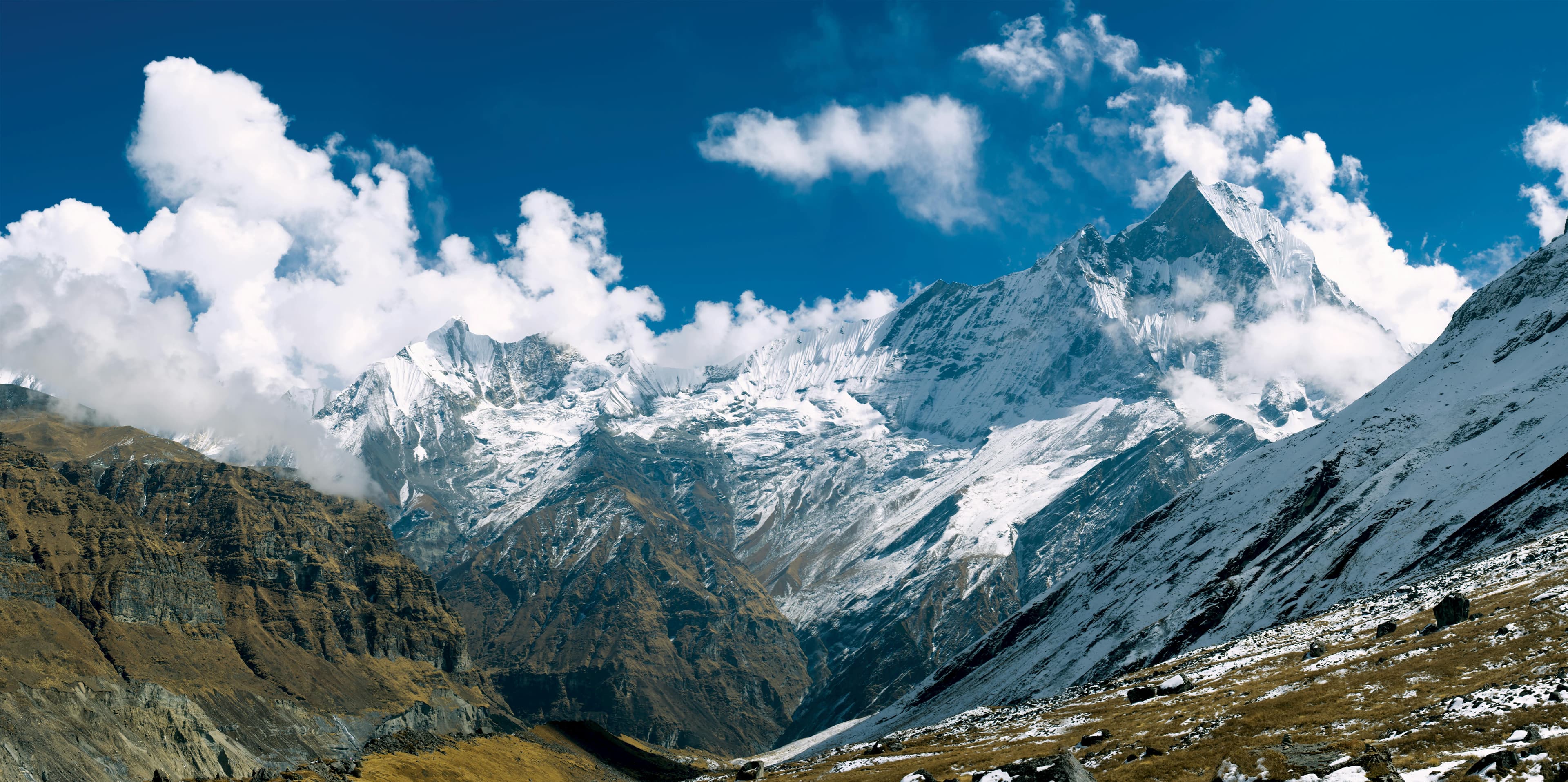
Mt. Yubra Climbing is a rare and adventurous Himalayan expedition to one of Nepal's lesser-known peaks in the spectacular Langtang region. Standing at approximately 6,035 meters, Mt. Yubra offers a unique opportunity for climbers seeking a remote and less-traveled mountain experience away from Nepal's more frequently climbed summits. With its striking fin-shaped summit ridge, dramatic alpine landscapes, and untouched surroundings, Yubra Peak represents the true spirit of Himalayan exploration.
Located in the northern part of Nepal near the Tibetan border, the expedition takes place in the magnificent Langtang Himalaya, a region known for its diverse landscapes, rich mountain culture, and impressive collection of high peaks. The approach to Mt. Yubra leads through beautiful valleys, traditional villages, alpine terrain, and remote mountain landscapes, offering a genuine connection with the wilderness and local Himalayan way of life.
Unlike many established trekking peaks in Nepal, Mt. Yubra remains a relatively unexplored summit, making it an ideal choice for climbers looking for a more exclusive and authentic Himalayan adventure. The mountain's elegant ridge, steep alpine environment, and remote setting create an exciting challenge that requires strong physical preparation, careful acclimatization, and a proper mountaineering approach.
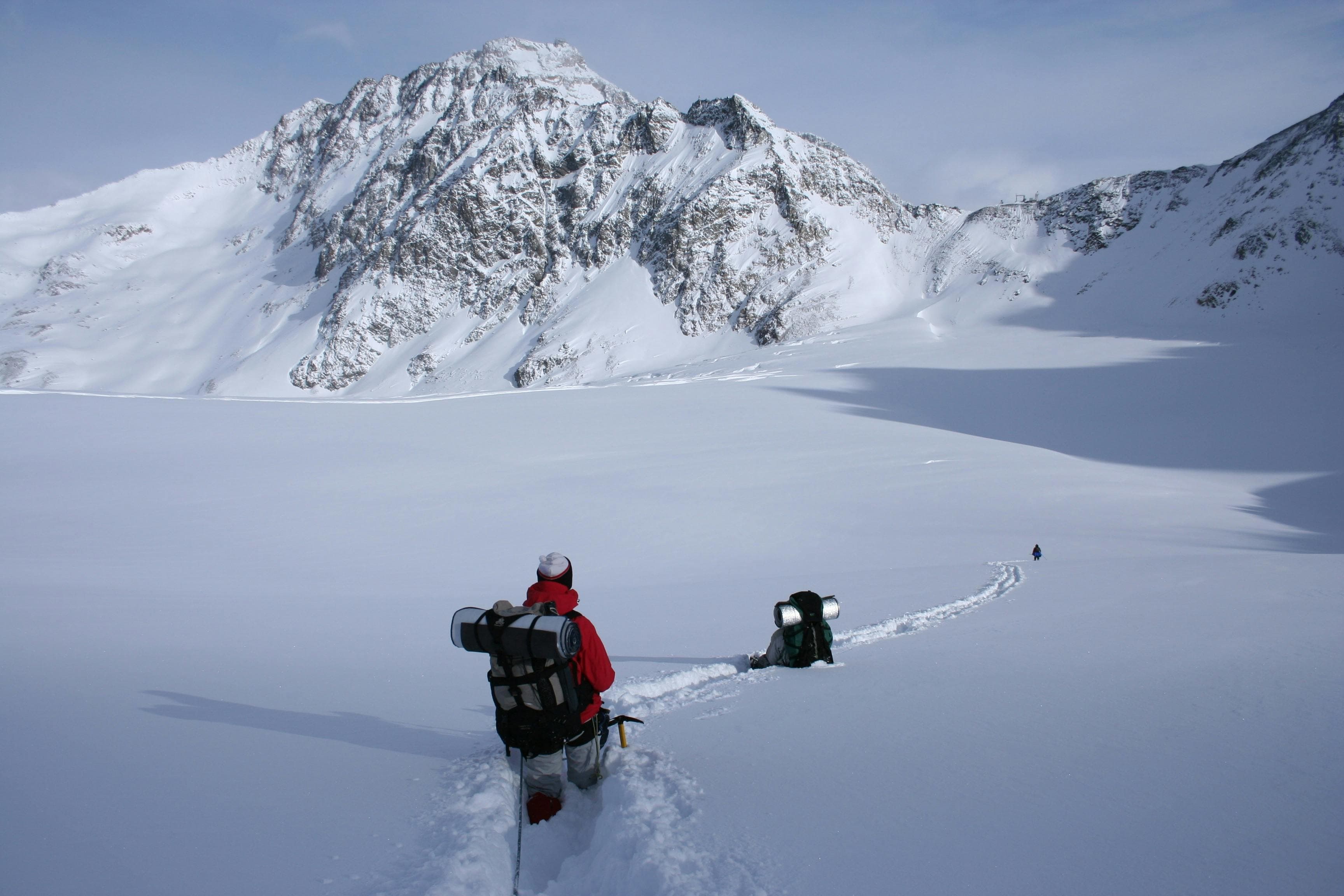
The climb involves glacier travel, snow-covered slopes, and technical sections requiring the use of essential mountaineering equipment, including crampons, ropes, harnesses, and ice axes. The combination of a remote approach, high-altitude climbing, and changing alpine conditions makes Mt. Yubra a rewarding expedition for experienced trekkers and climbers seeking to explore beyond Nepal's classic climbing routes.
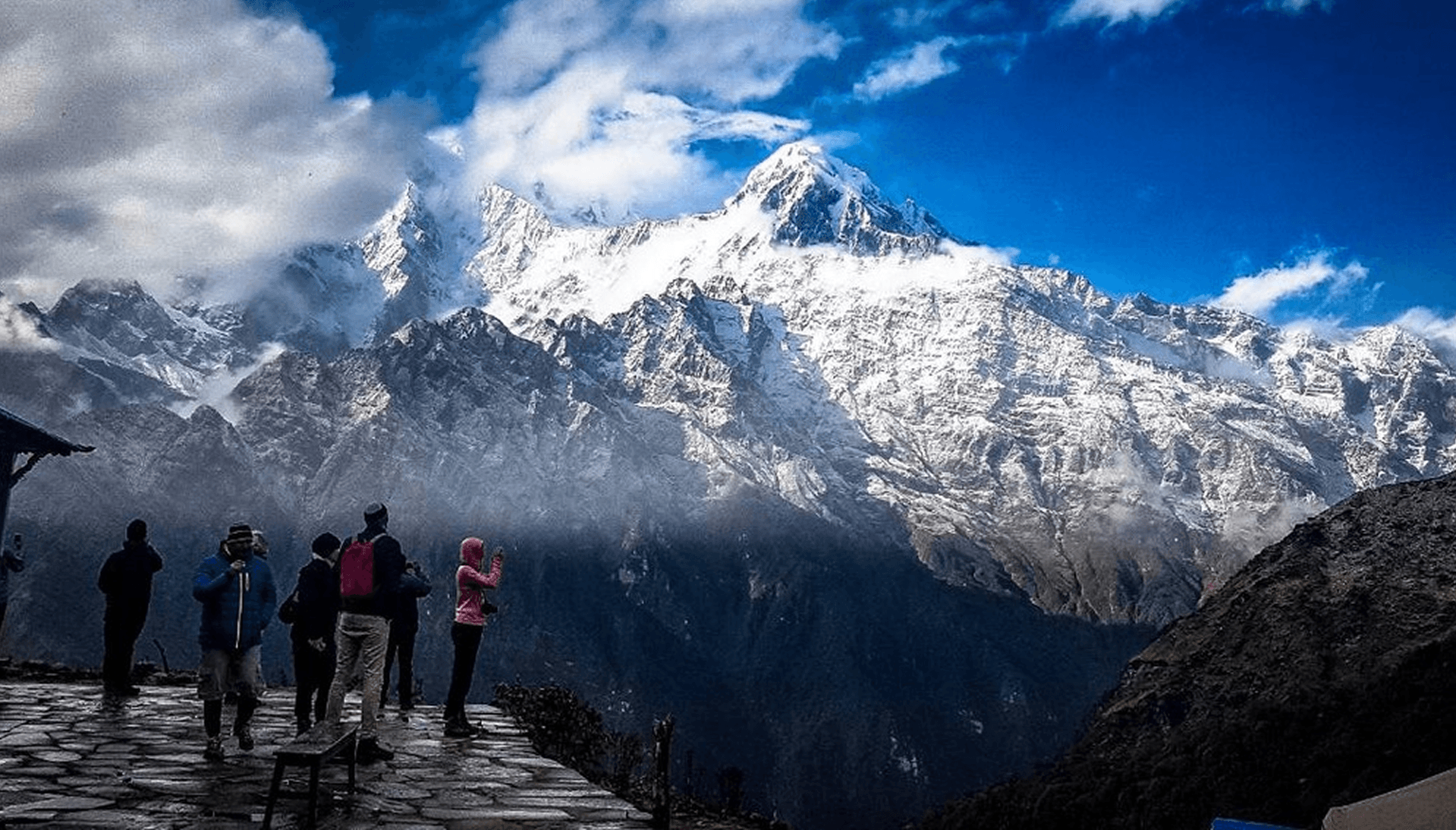
The summit of Mt. Yubra offers breathtaking panoramic views of some of the Himalaya's most impressive peaks, including Langtang Lirung, Ganesh Himal, Shishapangma, and the surrounding Langtang mountain range. The dramatic summit ridge and wide Himalayan panorama create a memorable reward for those who undertake this exceptional climb.
For climbers searching for a mountain that combines exploration, solitude, and authentic Himalayan adventure, Mt. Yubra Climbing offers a truly unique experience. Far from the crowded trails and popular climbing routes, this expedition provides the opportunity to discover one of Nepal's hidden alpine treasures while experiencing the challenge and beauty of high-altitude mountaineering.
Arrival at Tribhuwan International Airport. Our Staff member meets you and transfers you to the hotel.
Overnight stay at a hotel.
After breakfast at the hotel, our guide will meet you at the hotel and provide a briefing about the upcoming trek, including the itinerary, safety information, and important preparations. He will also assist you with all the necessary trekking formalities and paperwork.
After the briefing, we will go on a sightseeing tour around the Kathmandu Valley, visiting famous UNESCO World Heritage Sites such as Boudhanath Stupa, one of the largest Buddhist stupas in the world, and Swayambhunath Stupa, also known as the Monkey Temple. On this day, we will also arrange the TIMS card and other required permits for the trek.In the evening, you will have time to prepare your trekking gear and make the final arrangements for the journey ahead. Overnight stay at a hotel.
After breakfast in Kathmandu (1,400 m / 4,593 ft), we begin our journey by private vehicle towards Syabrubesi (1,460 m / 4,790 ft), the gateway to the Langtang region. Leaving the bustling capital behind, the drive initially follows a smooth highway through scenic countryside, terraced fields, and small settlements.
As we progress, the road gradually becomes more winding and narrow, offering beautiful views of rivers, hills, and traditional villages along the way. We pass through towns such as Trishuli and Dhunche, with glimpses of distant Himalayan foothills enhancing the journey. The road conditions vary between paved and rough mountain sections, adding a sense of adventure to the drive.
After approximately 6 – 7 hours of driving (around 120 – 130 km depending on route conditions), we arrive at Syabrubesi (1,460 m / 4,790 ft), a small riverside town nestled at the confluence of the Bhote Koshi and Langtang rivers. Surrounded by green hills and mountain scenery, Syabrubesi serves as the starting point for treks into the Langtang Valley. Overnight stay at a local lodge.
Leaving Syabrubesi (1,460 m / 4,790 ft) behind, we begin our trek into the Langtang region following the trail along the Bhote Koshi River. The route initially descends slightly before crossing suspension bridges and gradually climbing through subtropical forests of bamboo, oak, and rhododendron.
As we move deeper into the valley, the trail continues along the river, passing small settlements and occasional teahouses. The sound of rushing water and the dense forest setting create a peaceful trekking atmosphere. Along the way, we may encounter wildlife such as langur monkeys and a variety of bird species.
After several hours of steady trekking, the trail begins a more consistent ascent as we enter thicker forested terrain. The valley narrows, and the landscape becomes more shaded and alpine in character. We finally reach Lama Hotel (2,480 m / 8,136 ft), a small settlement surrounded by forest on the banks of the Langtang River. The trek covers approximately 11 – 12 km (6.8–7.5 miles) and takes around 5 – 6 hours depending on pace and trail conditions. Overnight at a teahouse in Lama Hotel.
Departing from Lama Hotel (2,480 m / 8,136 ft), we begin our trek deeper into the Langtang Valley, following the trail that steadily ascends alongside the Langtang Khola. The route initially winds through dense forests of rhododendron, oak, and bamboo, with the river running close by and occasional clearings revealing glimpses of the surrounding hills.
As we continue, the forest gradually thins with increasing altitude, and the valley begins to open up. We pass through settlements such as Ghodatabela (3,030 m / 9,940 ft), where the landscape transitions into alpine meadows and expansive mountain scenery. Snow-capped peaks start to dominate the skyline, marking our entry into a more high-altitude environment.
Further along, the trail continues its steady ascent through open yak pastures and glacial terrain before reaching Langtang Village (3,430 m / 11,253 ft). This rebuilt Tamang settlement sits in a dramatic mountain setting surrounded by rugged Himalayan peaks.
The trek covers approximately 14–15 km (8.7–9.3 miles) and takes around 6–7 hours, depending on pace and conditions. Overnight at a teahouse in Langtang Village.
Continuing from Langtang Village (3,430 m / 11,253 ft), we set out on a gradual ascent deeper into the upper Langtang Valley towards Kyanjin Gompa. The trail follows a wide glacial valley, passing through open alpine terrain with scattered yak pastures and traditional stone settlements. The surrounding scenery becomes increasingly dramatic, with snow-capped peaks rising sharply on both sides of the valley.
As we progress, we pass through small seasonal settlements such as Mundu and Sindum, where the landscape reflects the high-altitude lifestyle of the local Tamang communities. The valley widens further, offering spectacular views of peaks including Langtang Lirung, which dominates the skyline throughout the day’s journey.
The trail continues with a steady, gentle climb along the glacial river, with occasional suspension bridges and mani walls marking the cultural significance of the region. After several hours of trekking, we reach Kyanjin Gompa (3,870 m / 12,697 ft), a beautiful settlement surrounded by towering Himalayan peaks and glaciers.
The trek covers approximately 6 – 7 km (3.7 – 4.3 miles) and takes around 3 – 4 hours, depending on pace and acclimatization. Overnight at a teahouse in Kyanjin Gompa.
At Kyanjin Gompa (3,870 m / 12,697 ft), we spend an acclimatization day to help the body adjust to higher altitude before continuing further into the Langtang Valley. This rest day is important for proper acclimatization and reducing the risk of altitude-related issues.
After breakfast, we begin our hike to Kyanjin Ri (4,773 m / 15,659 ft), one of the most popular viewpoints in the region. The trail starts with a steady ascent through yak pastures and open alpine terrain, gradually becoming steeper and more challenging as we gain elevation. The route is well-defined but physically demanding due to the altitude.
As we climb higher, the scenery becomes increasingly dramatic, with panoramic views of Langtang Lirung, Dorje Lakpa, and surrounding snow-covered peaks. The final section to the summit is steep and exposed, requiring steady effort and pacing.
From the top of Kyanjin Ri, we enjoy breathtaking 360-degree views of glaciers, deep valleys, and the Langtang Himalayan range. After spending time at the summit, we carefully descend back to Kyanjin Gompa (3,870 m / 12,697 ft) via the same trail.
The round trip covers approximately 6 – 7 km (3.7 – 4.3 miles) and takes around 4–6 hours, depending on pace and conditions. Overnight at a teahouse in Kyanjin Gompa.
From Kyanjin Gompa, we will trek to Yubra Himal Base Camp (4,650 m / 15,256 ft), where we will stay overnight in a remote alpine campsite surrounded by dramatic Himalayan scenery.
The trek takes approximately 6 – 8 hours and covers about 6 – 8 km through rugged, less-traveled terrain in the upper Langtang region. The trail gradually ascends away from the main Kyanjin valley into a quieter wilderness area, passing through yak grazing fields, rocky slopes, and glacial moraine landscapes.
As we gain elevation, the scenery becomes increasingly impressive with close views of Langtang Lirung, Yubra Himal, and surrounding glacier-fed peaks. The route is more remote and less defined than standard trekking paths, offering a true sense of isolation and high-mountain adventure.
Finally, we arrive at Yubra Himal Base Camp, a peaceful high-altitude campsite set amidst glaciers and towering Himalayan walls, where we will spend the night. Overnight stay at a tented Base Camp.
From Yubra Himal Base Camp (4,650 m / 15,256 ft), we will continue our ascent to High Camp (5,000 m / 16,404 ft), moving deeper into the remote alpine zone of the Langtang region.
The trek takes approximately 4 – 6 hours and covers about 4 – 6 km (2.5 – 4 miles) through rugged, high-altitude terrain. The route steadily climbs over moraine ridges, rocky slopes, and glacier-fed landscapes, with the surroundings becoming increasingly stark and exposed as we gain elevation.
Along the way, we are rewarded with close-up views of Langtang Lirung, Yubra Himal, and surrounding ice-covered peaks. The trail is less defined in sections, requiring careful footing across uneven and glacial terrain, adding to the expedition-style experience.
Finally, we arrive at High Camp, a remote and dramatic high-altitude campsite surrounded by glaciers and towering Himalayan walls, where we will set up for an overnight stay in preparation for higher objectives ahead.
Overnight at tented High Camp.
From High Camp (5,000 m / 16,404 ft), we will continue our ascent to Camp II (5,700 m / 18,700 ft), moving deeper into the high alpine and glacial zone of the Langtang Himal.
The trek takes approximately 4 – 6 hours and covers about 3 – 5 km (2 – 3 miles), depending on the exact camp location and glacier conditions. The route becomes increasingly demanding, with steeper slopes, moraine ridges, and sections of glacier travel where careful footing is essential.
As we gain altitude, the environment turns stark and fully alpine, with dramatic close-up views of Langtang Lirung, Yubra Himal, and surrounding icefalls and glaciated peaks. The air becomes thinner, and progress is slower and more deliberate due to altitude.
Finally, we arrive at Camp II, a remote high-altitude campsite set in a glacial landscape, offering a true expedition-style atmosphere deep in the Himalayas. Overnight stay in tents at Camp II.
From Camp II (around 5,700 m / 18,701 ft), we begin the summit push to Yubra Himal (6,035 m / 19,800 ft) and return to High Camp (5,100 m / 16,732 ft), completing a full high-altitude summit day.
The total duration of this journey is approximately 10 – 15 hours, depending on weather, snow conditions, and team pace.
We start before dawn from Camp II, climbing steep snow slopes, glacier terrain, and mixed alpine sections. As we gain altitude, the environment becomes increasingly exposed and technical, requiring steady pacing and careful movement.
After reaching the summit of Yubra Himal (6,035 m), we spend a short time taking in panoramic views of Langtang Lirung, Shishapangma (Tibet), and surrounding Himalayan peaks, before beginning our descent.
We carefully retrace our route down through Camp II and continue further descent to High Camp (5,100 m). Although the descent is faster than the ascent, it remains demanding due to fatigue and technical glacier sections. Overnight stays at a tented camp.
From High Camp (5,100 m / 16,732 ft), we descend back to Kyanjin Gompa (3,870 m / 12,697 ft), completing the return journey from the upper alpine zone of the Langtang region.
The trek takes approximately 5 – 7 hours and covers about 9 – 11 km (5.5 – 7 miles) as we gradually descend through glacial and alpine terrain back into the main valley.
We begin by carefully descending from High Camp through steep moraine and glacier sections. As we lose altitude, the landscape becomes more defined, transitioning into yak pastures, alpine meadows, and eventually the wider Kyanjin Valley.
The route requires caution in upper sections due to loose rock and glacial terrain, but becomes easier as we approach lower elevations.
Finally, we arrive at Kyanjin Gompa, returning to a familiar village setting with teahouses and mountain views of Langtang Lirung and surrounding peaks.
Overnight at a teahouse in Kyanjin Gompa.
From Kyanjin Gompa (3,870 m / 12,697 ft), we begin our long descent back through the Langtang Valley towards Rimche. The trail starts with a gentle downhill section through open alpine terrain, offering sweeping views of the surrounding peaks, including Langtang Lirung.
As we continue, we pass through the settlements of Langtang Village and Mundu, where the landscape gradually transitions from high alpine scenery to mixed forest zones. The trail then descends steadily to Ghodatabela (3,030 m / 9,940 ft), where the valley becomes noticeably greener and more enclosed by dense vegetation.
From Ghodatabela, the path continues through thick rhododendron, oak, and bamboo forests. The descent is long and continuous, following the Langtang Khola with occasional suspension bridges and river crossings. The lower we go, the warmer and more humid the environment becomes.
After several hours of trekking, we reach Rimche (approx. 2,400 m / 7,874 ft), a quiet forested settlement located just above Lama Hotel. The trek covers approximately 13 – 15 km (8 – 9.3 miles) and takes around 6 – 7 hours, depending on pace and trail conditions. Overnight at a teahouse in Rimche.
From Rimche (approx. 2,400 m / 7,874 ft), we begin the final section of our Langtang descent towards Syabrubesi. The trail initially continues through dense forest of bamboo, oak, and rhododendron, following the Langtang Khola downstream. The path is mostly downhill with a few short, gentle ascents as it contours along the valley.
As we descend further, the forest gradually opens up and the surroundings become warmer and more tropical. We cross several suspension bridges over the river, with the sound of rushing water accompanying us throughout the journey. The trail is well-defined and passes through small tea shops and scattered settlements along the way.
After a steady walk, we reach Syabrubesi (1,460 m / 4,790 ft), where the trek officially concludes. The journey covers approximately 8 – 10 km (5 – 6.2 miles) and takes around 3 – 4 hours, depending on pace and trail conditions. Arrival in Syabrubesi marks the end of the Langtang trekking section. Overnight stay at a lodge.
After breakfast in Syabrubesi, we begin our return journey to Kathmandu by private vehicle. The drive follows the Trishuli River valley, gradually leaving the mountainous terrain behind as we head toward the capital.
The road is scenic but winding, with a mix of rough mountain sections and paved highway. Along the way, we pass small roadside towns, terraced hillsides, and river gorges, offering beautiful final views of rural Nepal. The journey can be affected by road conditions and traffic, especially near the Kathmandu valley.
After approximately 6 – 7 hours of driving (around 120 – 130 km depending on route and conditions), we arrive in Kathmandu (1,400 m / 4,593 ft). This marks the end of the trekking and expedition journey in the Langtang region. Upon arrival, you will be transferred to your hotel for rest and relaxation.
The departure day marks the conclusion of the Yubra Himal expedition in the Langtang region, bringing the journey from remote high-altitude camps and glacier landscapes back to Kathmandu for onward travel.
After breakfast in Kathmandu (1,400 m / 4,593 ft), the morning is kept free for packing, final preparations, and reflecting on the completed adventure to Yubra Himal (6,035 m / 19,800 ft) and the surrounding Langtang wilderness, including Kyanjin Gompa, High Camp, and glacier terrain.
At the scheduled time, you will be transferred to Tribhuvan International Airport for your international flight. The drive offers a final glimpse of Kathmandu’s bustling streets and cultural landmarks before departure.
This day officially concludes the expedition, carrying lasting memories of Yubra Himal’s high-altitude summit, remote base camps, and the dramatic landscapes of the Langtang region.
Farewell and safe onward journey.