

Arrival at Tribhuwan International Airport. Our Staff member meets you and transfers you to the hotel.
Overnight at the hotel.
Langtang Region

Trek Starting Point
Syabrubesi

Trek Ending Point
Dhunche

Departure From
Kathmandu

Transportation
Tourist Coach, Private Vehicle, Local Jeep

Style
High-altitude trekking & peak climbing

Meal
Breakfast, Lunch, Dinner

Accommodation
Tourist standard hotel in Kathmandu, Teahouse during trek
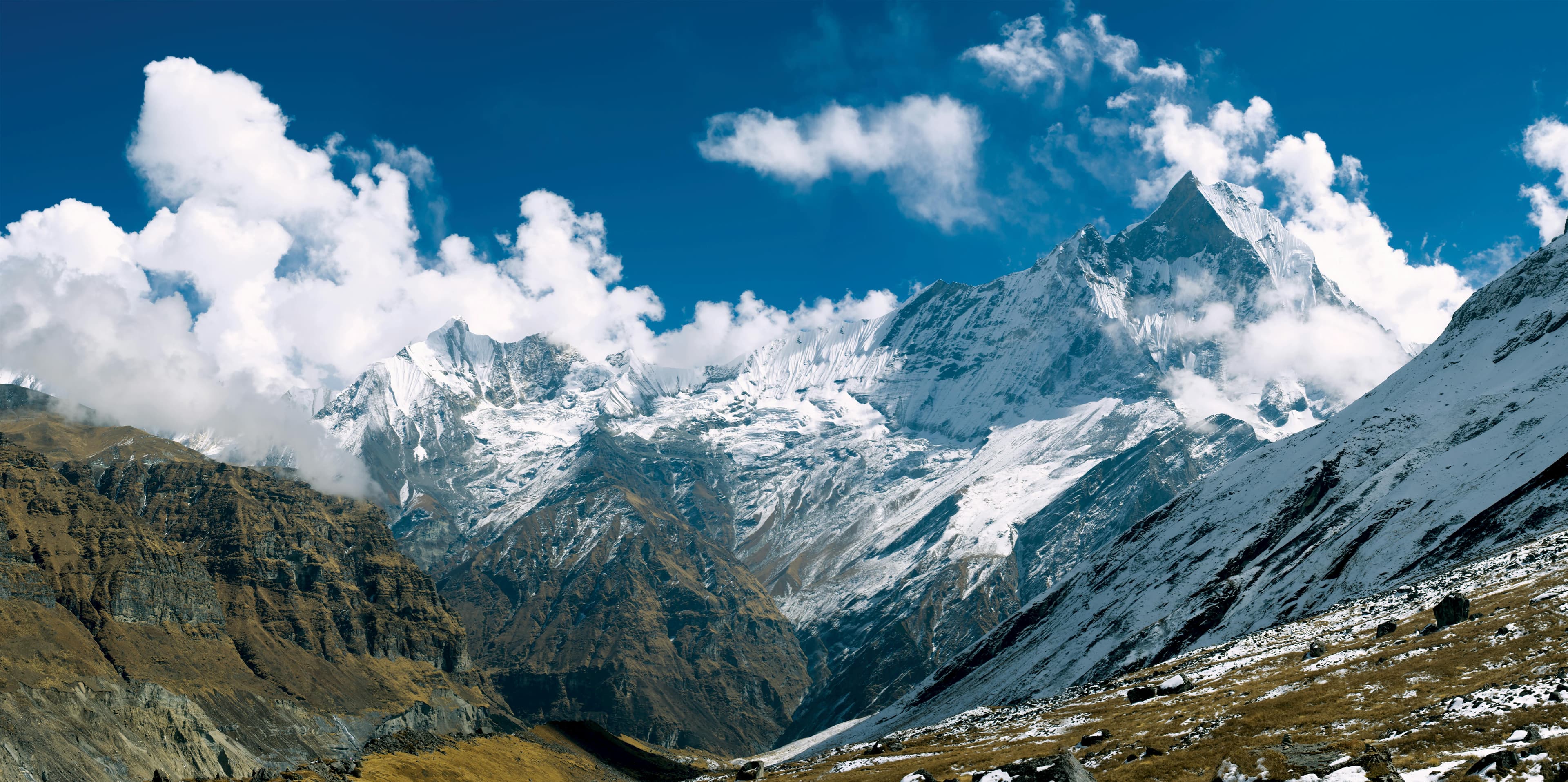
Yala Peak (5,500m) is one of the most popular trekking peaks in the Langtang region, offering an excellent introduction to Himalayan climbing for trekkers seeking their first high-altitude summit experience. Located near the Tibetan border, the peak rises above the beautiful Kyanjin Valley and combines a scenic Himalayan trek with a rewarding glacier climb in a remote alpine environment.
The journey follows the spectacular Langtang Valley trekking route, passing through lush forests, traditional Tamang villages, and high mountain landscapes before reaching Kyanjin Gompa. From here, the trail continues toward Yala Peak Base Camp, where the scenery changes dramatically into a rugged alpine world of glaciers, rocky moraines, and breathtaking Himalayan surroundings.
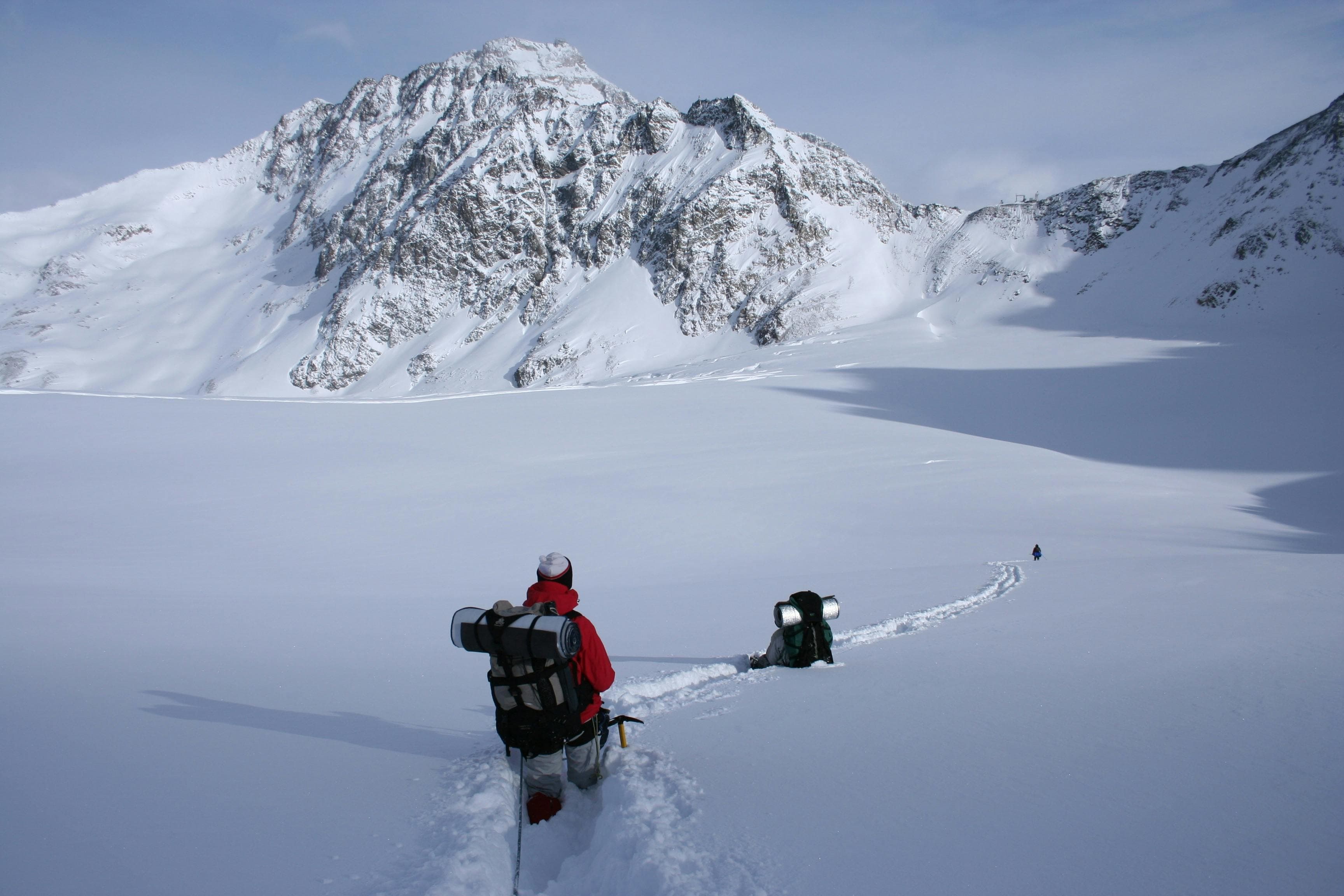
The summit climb involves glacier walking and moderate snow slopes, making it an ideal objective for trekkers with good physical fitness and basic mountaineering preparation. With proper guidance and acclimatisation, Yala Peak provides an achievable yet rewarding Himalayan climbing experience. From the summit, climbers are rewarded with magnificent views of Langtang Lirung, Dorje Lakpa, Shishapangma, and numerous peaks along the Tibetan border.
Yala Peak is a perfect choice for those looking to combine the cultural richness of the Langtang Valley with the excitement of reaching a Himalayan summit above 5,000 metres. The combination of beautiful landscapes, manageable climbing challenges, and spectacular mountain views makes it one of Nepal's most rewarding introductory peak climbing adventures.
Arrival at Tribhuwan International Airport. Our Staff member meets you and transfers you to the hotel.
Overnight at the hotel.
After breakfast at the hotel, our guide will meet you at the hotel and provide a briefing about the upcoming trek, including the itinerary, safety information, and important preparations. He will also assist you with all the necessary trekking formalities and paperwork.
After the briefing, we will go on a sightseeing tour around the Kathmandu Valley, visiting famous UNESCO World Heritage Sites such as Boudhanath Stupa, one of the largest Buddhist stupas in the world, and Swayambhunath Stupa, also known as the Monkey Temple. On this day, we will also arrange the TIMS card and other required permits for the trek.In the evening, you will have time to prepare your trekking gear and make the final arrangements for the journey ahead. Overnight at the hotel.
After breakfast in Kathmandu (1,400 m / 4,593 ft), we begin our journey by private vehicle towards Syabrubesi (1,460 m / 4,790 ft), the gateway to the Langtang region. Leaving the bustling capital behind, the drive initially follows a smooth highway through scenic countryside, terraced fields, and small settlements.
As we progress, the road gradually becomes more winding and narrow, offering beautiful views of rivers, hills, and traditional villages along the way. We pass through towns such as Trishuli and Dhunche, with glimpses of distant Himalayan foothills enhancing the journey. The road conditions vary between paved and rough mountain sections, adding a sense of adventure to the drive.
After approximately 6 – 7 hours of driving (around 120 – 130 km depending on route conditions), we arrive at Syabrubesi (1,460 m / 4,790 ft), a small riverside town nestled at the confluence of the Bhote Koshi and Langtang rivers. Surrounded by green hills and mountain scenery, Syabrubesi serves as the starting point for treks into the Langtang Valley. Overnight stay at a local lodge.
Leaving Syabrubesi (1,460 m / 4,790 ft) behind, we begin our trek into the Langtang region following the trail along the Bhote Koshi River. The route initially descends slightly before crossing suspension bridges and gradually climbing through subtropical forests of bamboo, oak, and rhododendron.
As we move deeper into the valley, the trail continues along the river, passing small settlements and occasional teahouses. The sound of rushing water and the dense forest setting create a peaceful trekking atmosphere. Along the way, we may encounter wildlife such as langur monkeys and a variety of bird species.
After several hours of steady trekking, the trail begins a more consistent ascent as we enter thicker forested terrain. The valley narrows, and the landscape becomes more shaded and alpine in character. We finally reach Lama Hotel (2,480 m / 8,136 ft), a small settlement surrounded by forest on the banks of the Langtang River. The trek covers approximately 11 – 12 km (6.8–7.5 miles) and takes around 5 – 6 hours depending on pace and trail conditions. Overnight at a teahouse in Lama Hotel.
Departing from Lama Hotel (2,480 m / 8,136 ft), we begin our trek deeper into the Langtang Valley, following the trail that steadily ascends alongside the Langtang Khola. The route initially winds through dense forests of rhododendron, oak, and bamboo, with the river running close by and occasional clearings revealing glimpses of the surrounding hills.
As we continue, the forest gradually thins with increasing altitude, and the valley begins to open up. We pass through settlements such as Ghodatabela (3,030 m / 9,940 ft), where the landscape transitions into alpine meadows and expansive mountain scenery. Snow-capped peaks start to dominate the skyline, marking our entry into a more high-altitude environment.
Further along, the trail continues its steady ascent through open yak pastures and glacial terrain before reaching Langtang Village (3,430 m / 11,253 ft). This rebuilt Tamang settlement sits in a dramatic mountain setting surrounded by rugged Himalayan peaks.
The trek covers approximately 14 – 15 km (8.7–9.3 miles) and takes around 6–7 hours, depending on pace and conditions. Overnight at a teahouse in Langtang Village.
Continuing from Langtang Village (3,430 m / 11,253 ft), we set out on a gradual ascent deeper into the upper Langtang Valley towards Kyanjin Gompa. The trail follows a wide glacial valley, passing through open alpine terrain with scattered yak pastures and traditional stone settlements. The surrounding scenery becomes increasingly dramatic, with snow-capped peaks rising sharply on both sides of the valley.
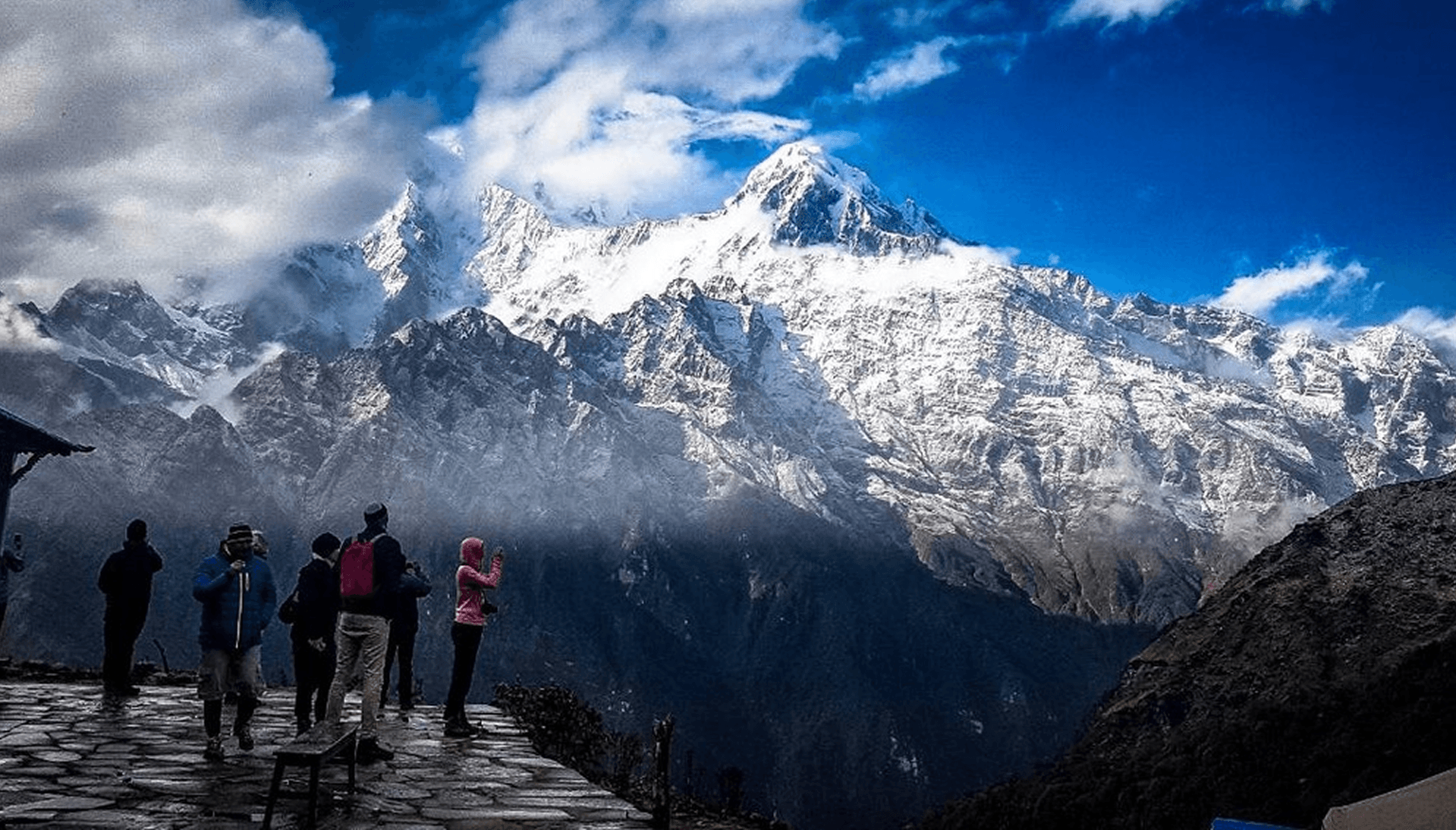
As we progress, we pass through small seasonal settlements such as Mundu and Sindum, where the landscape reflects the high-altitude lifestyle of the local Tamang communities. The valley widens further, offering spectacular views of peaks including Langtang Lirung, which dominates the skyline throughout the day’s journey.
The trail continues with a steady, gentle climb along the glacial river, with occasional suspension bridges and mani walls marking the cultural significance of the region. After several hours of trekking, we reach Kyanjin Gompa (3,798 m), a beautiful settlement surrounded by towering Himalayan peaks and glaciers.
The trek covers approximately 6 – 7 km (3.7 – 4.3 miles) and takes around 3 – 4 hours, depending on pace and acclimatization. Overnight at a teahouse in Kyanjin Gompa.
From Kyanjin Gompa, we set out early for a challenging ascent toward Tsergo Ri (5,033 m), one of the highest and most rewarding viewpoints in the Langtang region. The trek covers approximately 10 – 12 km round trip in around 7 – 9 hours, following a steep and demanding trail that climbs steadily above the valley floor.
The route begins across alpine meadows and glacial landscapes before transitioning into a continuous uphill climb over rocky and exposed terrain. As we gain elevation, the scenery becomes increasingly dramatic, with sweeping views of glaciers, prayer flags marking the route, and the vast silence of the high Himalayas.
From the summit of Tsergo Ri, we are rewarded with a breathtaking panorama of Langtang Lirung, Dorje Lakpa, and surrounding snow-covered peaks stretching across the horizon. After spending time at the top, we carefully descend along the same trail back to Kyanjin Gompa, where we rest in the peaceful mountain surroundings. Overnight stay at a teahouse.
Kyanjin Gompa (3,870 m) serves as the final village stop before we begin a steady alpine ascent toward Yala Peak Base Camp (around 4,600 m), covering approximately 6 – 8 km in around 4 – 6 hours. The trail gradually climbs above the Kyanjin Valley, opening into wide yak pastures with Langtang Lirung rising prominently above the skyline.
As we continue higher, the landscape shifts into glacial terrain and moraine ridges, where vegetation becomes sparse and the surroundings grow increasingly rugged and dramatic. The silence of the high Himalayas slowly replaces the sounds of the valley below, creating a strong sense of isolation and altitude.
By the time we reach Yala Peak Base Camp, we arrive in a remote alpine setting surrounded by glaciers, snowfields, and towering peaks in every direction. We settle here for the night, preparing for the next day’s climb in the stillness of the high mountains. Overnight stay at a tented camp.
At dawn, we begin the climb from Yala Peak Base Camp (around 4,600 m) toward the summit of Yala Peak (5,500 m), a non-technical ascent that takes us through a gradually steepening mix of snow slopes, rocky sections, and exposed alpine terrain. The climb covers approximately 4 – 6 km round trip and takes around 6 – 9 hours, depending on conditions and pace.
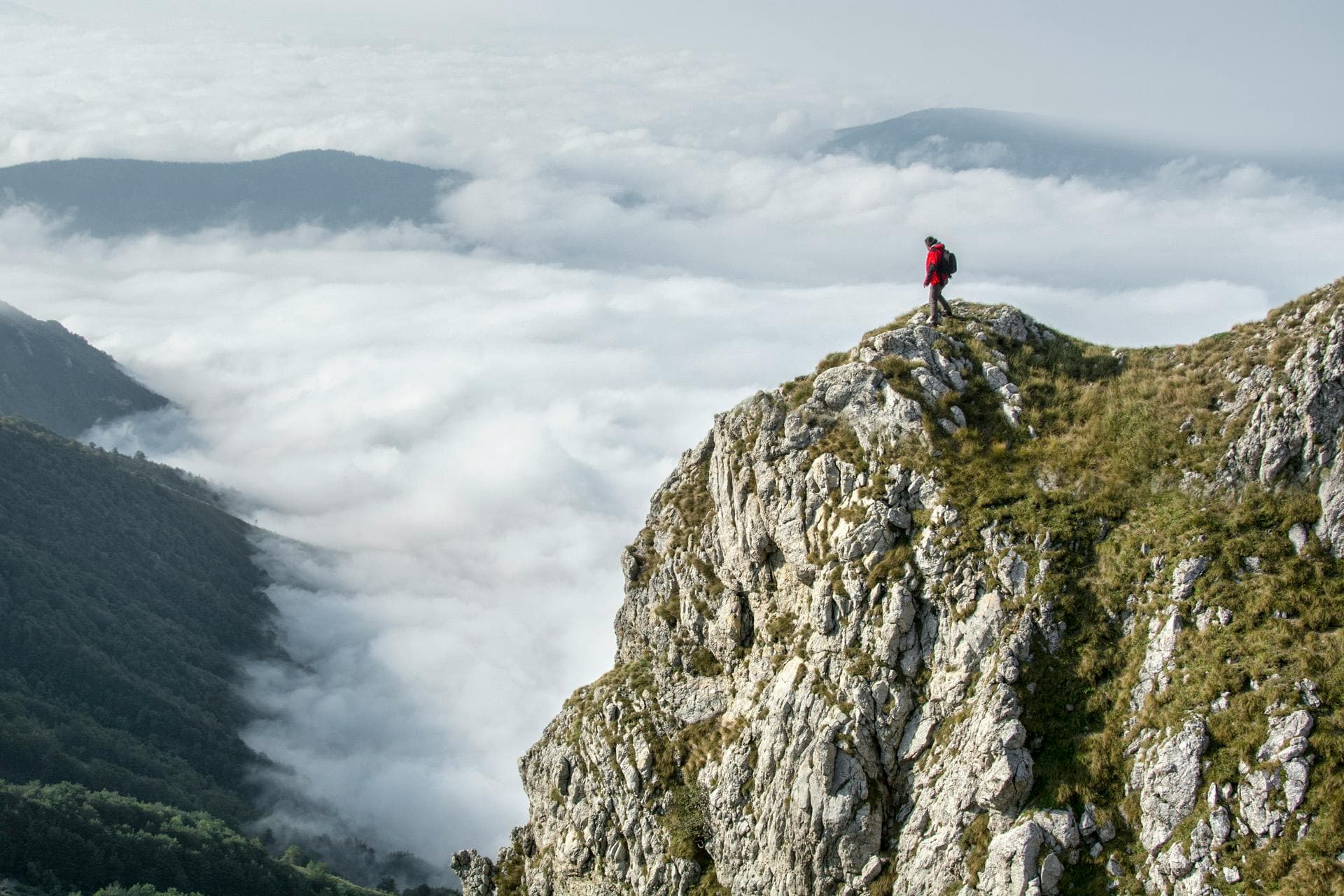
As we gain elevation, the landscape opens into vast Himalayan panoramas, with sweeping views of Langtang Lirung, Dorje Lakpa, and the surrounding Tibetan border peaks. The final approach to the summit is demanding but rewarding, with an overwhelming sense of scale and silence above the clouds.
From the summit of Yala Peak, we take in one of the most expansive viewpoints in the Langtang region before carefully beginning our descent back to Base Camp. The return journey allows us to retrace the alpine landscape in softer light, eventually arriving at camp to rest after a memorable high-altitude achievement. Overnight stay at a teahouse.
Transitioning from Yala Peak Base Camp, we begin a long and steady descent toward Langtang Village(3,430 m), covering approximately 12 – 14 km in around 5 – 7 hours. The trail retraces sections of the upper valley before gradually descending through rocky alpine terrain and wide yak grazing pastures.
As we lose elevation, the landscape softens into greener slopes and scattered settlements, while the towering backdrop of Langtang Lirung continues to dominate the skyline. The journey offers a gradual transition from high-altitude wilderness to a more lived-in mountain environment.
By the time we arrive in Langtang Village, we reach one of the most culturally significant settlements in the region, where we settle in for the night amidst traditional stone houses and surrounding Himalayan scenery. Overnight stay at a teahouse.
From Langtang Village (3,430 m), we continue our descent toward Lama Hotel (2,500 m), covering approximately 8 – 10 km in around 3.5 – 5 hours. The trail follows the course of the Langtang Khola, gradually descending through forested sections, small settlements, and riverside paths.
As we move lower in elevation, the alpine landscape transitions into dense rhododendron and oak forest, with waterfalls, suspension bridges, and shaded trails adding variety to the journey. The air becomes warmer and the surroundings more lush as we approach the lower valley.
By the time we reach Lama Hotel, we settle into a peaceful forested stop beside the river, surrounded by the sounds of flowing water and dense woodland, marking a calm end to the day’s descent. Overnight stay at a guesthouse.
Moving onward from Lama Hotel (2,500 m), we continue along a varied mountain trail toward Thulo Syabru (2,230 m), covering approximately 11 – 13 km in around 5 – 7 hours. The route initially follows the Langtang Khola before gradually transitioning into forested ridgelines and hillside paths with a mix of ascents and descents.
As we progress through dense rhododendron and bamboo forest, the landscape feels increasingly remote and quiet, with occasional clearings revealing layered views of the surrounding valleys and hills. The trail requires steady effort as we move away from the river corridor and climb toward the ridge settlement.
By the time we reach Thulo Syabru, we arrive in a traditional hillside village known for its Tamang heritage and wide views across the Langtang foothills, where we settle in for the night. Overnight stay at a teahouse.
Continuing from Thulo Syabru, we begin a scenic descent toward Dhunche (2,030 m), covering approximately 9 – 11 km in around 4 – 6 hours. The trail winds through forested ridges, small Tamang settlements, and terraced farmland, with a mix of gentle ascents and descents along the way.
As we progress, the landscape gradually opens into wider views of the surrounding hills and valleys, while the forested sections give way to more cultivated terrain. The route offers a quiet and steady transition from remote mountain villages toward the busier gateway town of the Langtang region.
By the time we reach Dhunche, we arrive at the district headquarters of Rasuwa, a lively hillside town that marks the main entry point to the Langtang region, where we conclude the trekking section. Overnight stay at a lodge.
Setting off from Dhunche (2,030 m / 6,660 ft), we drive back towards Kathmandu (1,400 m / 4,593 ft), descending from the high Himalayan foothills into the Kathmandu Valley. The route retraces the scenic mountain highway along the Trishuli River, offering a final stretch of river valleys, forested hills, and distant mountain views.
The journey passes through small towns and settlements such as Betrawati and Trishuli Bazaar, with a mix of paved and winding mountain roads. As we lose altitude, the landscape gradually becomes more developed, with terraced fields, roadside villages, and busier highways leading toward the capital.
After approximately 6 – 8 hours of driving (around 110 – 120 km, depending on road and traffic conditions), we arrive in Kathmandu, marking the conclusion of the trek and drive through the Langtang region. Overnight stay at a hotel.
Today marks the completion of your Yala Peak journey. From Kathmandu (1,400 m / 4,593 ft), you will be transferred from your hotel to Tribhuvan International Airport for your onward departure, depending on your flight schedule.
As you leave Nepal, we hope you carry with you lasting memories of the Langtang Valley, its dramatic mountain scenery, rich Tamang culture, and peaceful Himalayan trails. Thank you for being part of this journey, and we look forward to welcoming you again for future adventures in Nepal.