

Arrival at Tribhuwan International Airport. Our Staff member meets you and transfers you to the hotel.
Overnight at the hotel.
Dolpo Region

Trek Starting Point
Jhupal

Trek Ending Point
Jhupal

Departure From
Kathmandu

Transportation
Domestic flight

Meal
Breakfast, Lunch, Dinner

Accommodation
Tea house / Tourist standard hotel in Kathmandu
The Dolpo Trek is one of Nepal’s most remote and culturally rich Himalayan journeys, offering an extraordinary experience through a hidden world of high mountain passes, deep valleys, and ancient Tibetan-influenced settlements. Located in the far western region of Nepal, Dolpo remains one of the country’s least-developed and most preserved regions, where traditional lifestyles, unique cultures, and untouched landscapes continue to thrive.
The journey begins with scenic flights to Nepalgunj and Jhupal before entering the remote landscapes of Dolpo. The trail follows the dramatic Thuli Bheri and Tarap valleys, passing through diverse terrain ranging from narrow river gorges and pine forests to vast alpine meadows and high-altitude settlements such as Dho Tarap. Along the way, the trek reveals a remarkable combination of natural beauty and a Himalayan way of life shaped by centuries of isolation.
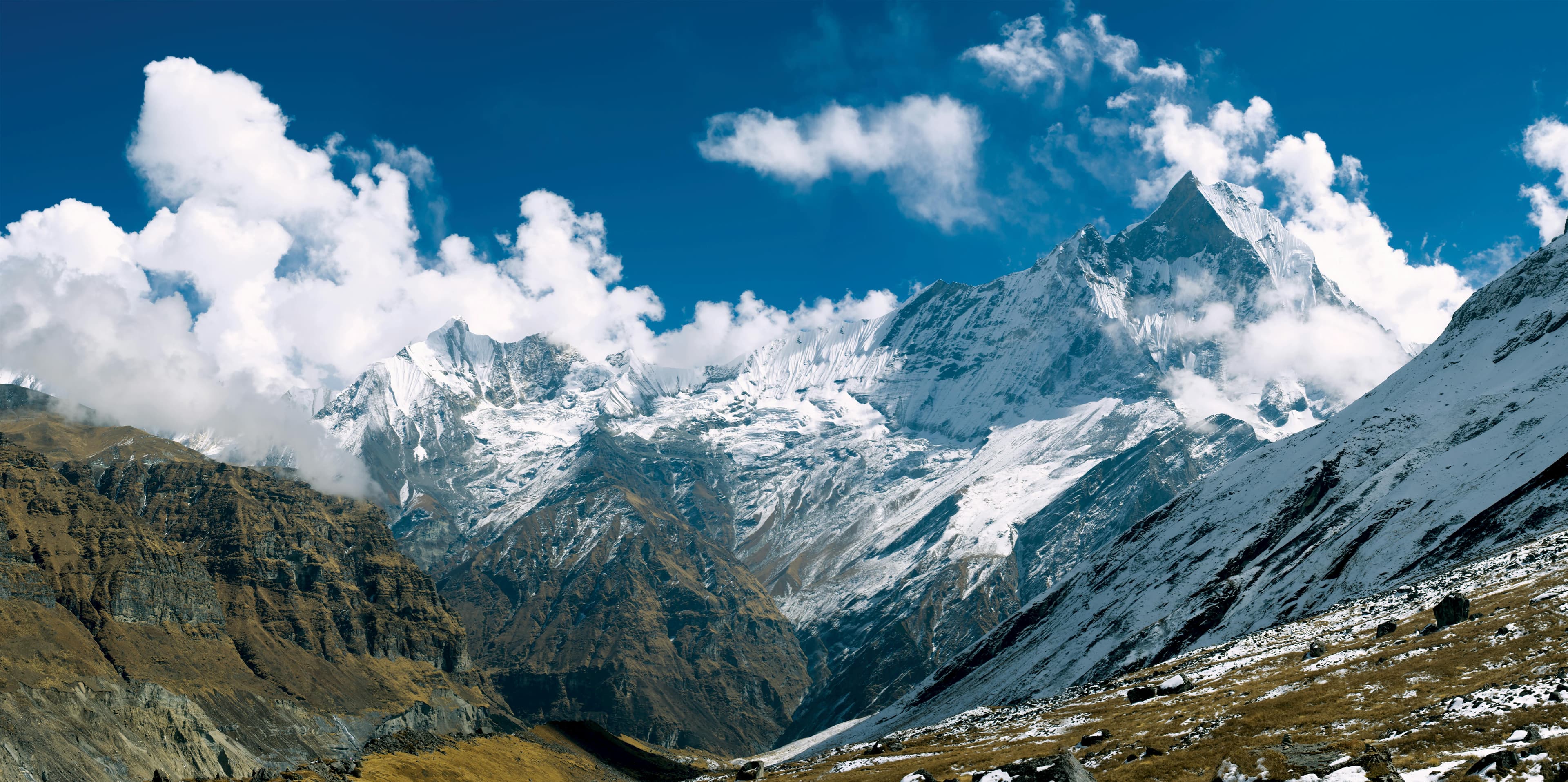
A major highlight of the Dolpo Trek is crossing the challenging high mountain passes of Numa La (5,310 m) and Baga La (5,169 m), where breathtaking views of the surrounding Himalayan ranges and rugged trans-Himalayan landscapes unfold. The journey also reaches the spectacular Phoksundo Lake, renowned for its mesmerizing turquoise waters, dramatic cliffs, and peaceful alpine setting. Surrounded by pristine wilderness, the lake stands as one of the most iconic natural treasures of western Nepal.
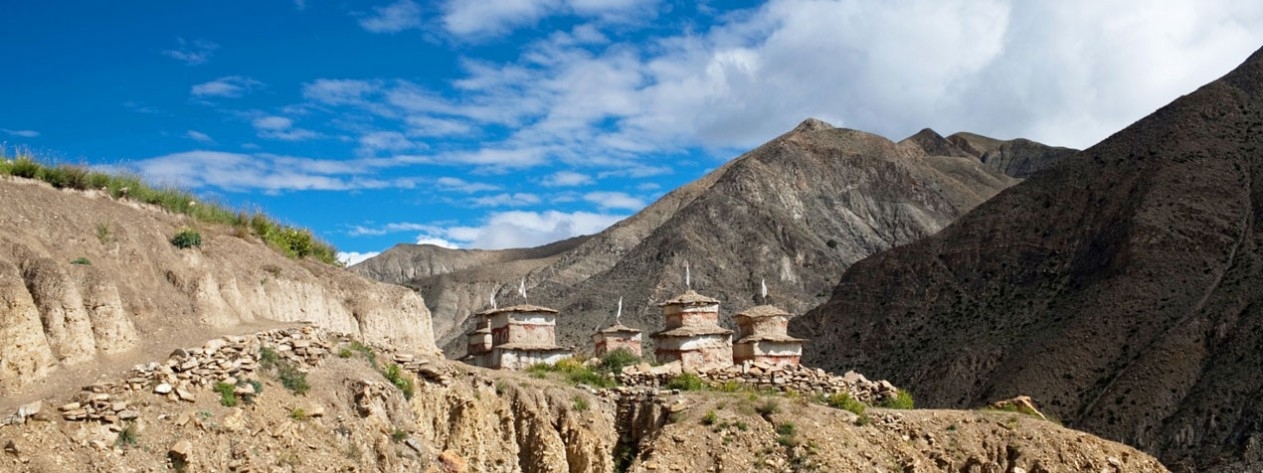
Beyond its landscapes, Dolpo offers a rare cultural experience where ancient monasteries, traditional stone villages, prayer walls, and centuries-old Buddhist traditions remain deeply connected with daily life. The region’s isolation has preserved a unique heritage influenced by Tibetan culture, offering a glimpse into a way of life rarely found elsewhere in Nepal.
The Dolpo Trek is a demanding yet deeply rewarding adventure designed for those seeking more than a classic Himalayan trek. Combining remote wilderness, high-altitude challenges, and authentic cultural encounters, this journey provides a true expedition experience through one of Nepal’s most extraordinary and unexplored regions.
Arrival at Tribhuwan International Airport. Our Staff member meets you and transfers you to the hotel.
Overnight at the hotel.
After breakfast at the hotel, our guide will meet you at the hotel and provide a briefing about the upcoming trek, including the itinerary, safety information, and important preparations. He will also assist you with all the necessary trekking formalities and paperwork.
After the briefing, we will go on a sightseeing tour around the Kathmandu Valley, visiting famous UNESCO World Heritage Sites such as Boudhanath Stupa, one of the largest Buddhist stupas in the world, and Swayambhunath Stupa, also known as the Monkey Temple. On this day, we will also arrange the TIMS card and other required permits for the trek.In the evening, you will have time to prepare your trekking gear and make the final arrangements for the journey ahead. Overnight at the hotel.
After an early breakfast, we will take a scenic flight from Kathmandu (1,400 m / 4,600 ft) to Nepalgunj (150 m / 492 ft), a vibrant gateway city in Nepal’s western plains. The flight, lasting approximately 50-60 minutes, offers beautiful aerial views of rolling hills, winding rivers, and the vast Terai landscape stretching toward the horizon. On clear days, distant Himalayan peaks provide a stunning backdrop throughout the journey.
As we descend into Nepalgunj, the scenery shifts dramatically from the cool hills of Kathmandu to the warm subtropical plains below. Upon arrival, we will transfer to our hotel and spend the night in Nepalgunj, allowing time to relax and experience the city’s lively atmosphere and unique cultural blend before continuing our journey into western Nepal. Overnight stay at a hotel.
After an early breakfast, we will take a spectacular 35 minute flight from Nepalgunj to Jhupal (2,475 m / 8,120 ft), the gateway to the remote Dolpo region. The flight offers breathtaking aerial views of western Nepal’s rugged hills, deep valleys, and snow-capped Himalayan peaks, providing an unforgettable start to the journey.
Upon landing at the small mountain airstrip in Jhupal, we will begin our trek toward Dunai (2,140 m / 7,020 ft), which takes approximately 3-4 hours. The trail descends gradually through terraced fields, traditional villages, and pine forests, following the scenic Thuli Bheri River along the way. By late afternoon, we arrive in Dunai, a peaceful Himalayan town where we will spend the night surrounded by the natural beauty and tranquility of the Dolpo region. Overnight stay at a teahouse.
After breakfast, we will begin our trek from Dunai (2,140 m / 7,020 ft) to Tarakot (2,540 m / 8,333 ft), a journey that takes approximately 5-6 hours. The trail follows the Thuli Bheri River through pine forests, cultivated fields, and traditional villages, offering a pleasant introduction to the landscapes and culture of the Dolpo region.
Along the way, we pass through Lawan, a small settlement surrounded by terraced farmland and river valleys, providing beautiful views of the surrounding hills. As we continue deeper into the valley, the scenery becomes increasingly rugged, with impressive cliffs and mountain views accompanying the trail.
By afternoon, we arrive at Tarakot, a historic village once known as an important trading point along ancient salt trade routes. The village is home to an old fortress and traditional stone houses, reflecting the region’s rich history and Himalayan heritage. We will spend the night here, enjoying the peaceful surroundings before continuing our journey further into Dolpo. Overnight stay at a teahouse.
After breakfast, we will continue our trek from Tarakot (2,540 m / 8,333 ft) to Laina Odar (3,370 m / 11,056 ft), a journey that takes approximately 6-7 hours. The trail follows the Tarap Khola upstream through narrow gorges, dense pine forests, and rocky paths, gradually leading us deeper into the remote landscapes of Dolpo.
Along the route, we pass several small seasonal settlements and cross suspension bridges over rushing mountain streams, with dramatic cliffs rising high above the valley. The scenery becomes increasingly wild and rugged as we gain elevation, offering spectacular views of the surrounding hills and untouched Himalayan terrain.
By late afternoon, we arrive at Laina Odar, a small campsite area set beneath a large overhanging rock, which gives the place its name. Surrounded by steep canyon walls and the sound of the nearby river, this peaceful stop provides a memorable experience in the heart of Dolpo’s remote wilderness.
We leave Tarakot (2,540 m / 8,333 ft) behind and follow the course of the Tarap Khola as it begins to narrow into a more dramatic gorge. Today’s trek to Laina Odar (3,370 m / 11,056 ft) takes around 5 to 7 hours with a steady gain in altitude as the valley walls close in around us.
The path alternates between riverbanks, rocky sections, and short ascents where the sound of rushing water often replaces conversation. Suspension bridges carry us across deep channels carved by the river, each crossing revealing a more remote and untouched side of Dolpo. The landscape feels increasingly raw, with sheer cliffs rising above and occasional stretches of pine forest offering brief shade.
By late afternoon, we reach Laina Odar, a natural shelter formed beneath a large overhanging rock beside the river. It is a simple but striking campsite shaped entirely by its surroundings, quiet, enclosed, and deeply atmospheric, marking our entry into the wilder sections of the valley. Overnight stay at a teahouse.
We continue our journey from Nawar Pani (3,475 m / 11,401 ft) toward Dho Tarap (3,944 m / 12,940 ft), a trek of approximately 6 to 7 hours. The trail gradually leaves the narrow gorge behind and begins to open into a wider alpine valley, with noticeably drier landscapes and a change in vegetation as we move deeper into Dolpo.
The route follows the Tarap Khola through a mix of gentle ascents, open meadows, and scattered stone settlements. Along the way, we pass small clusters of traditional houses and encounter local herders, offering a glimpse into the high-altitude lifestyle of the region. The surrounding mountains feel closer and more defined, creating a strong sense of entering a remote Himalayan valley.
By afternoon, we arrive at Dho Tarap, one of the highest permanent settlements in the region. The village is spread across a broad valley floor, surrounded by rugged peaks and open sky. Here, we settle in for the night and experience the unique cultural blend of Dolpo’s Tibetan-influenced heritage in a peaceful mountain setting. Overnight stay at a teahouse.
Today is an acclimatization day in Dho Tarap (3,944 m / 12,940 ft), allowing our bodies to adjust to the higher altitude. We remain in the village and take a relaxed approach, with short hikes around the surrounding hills and valley floor to support safe acclimatization.
A gentle walk toward nearby ridges and viewpoints offers sweeping views of the Tarap Valley, with its wide landscape, scattered settlements, and dramatic mountain backdrop. The area is also rich in cultural heritage, with traditional stone houses and ancient monasteries reflecting the strong Tibetan influence of the region.
The rest of the day is kept free for rest, exploration, and interaction with the local community. We spend the night in Dho Tarap, preparing for the onward journey into even higher and more remote sections of Dolpo.
We leave Dho Tarap (3,944 m / 12,940 ft) behind and begin the steady ascent toward Numa La Base Camp (4,440 m / 14,567 ft), a trek of approximately 5 to 7 hours. The trail gradually climbs out of the wide Tarap Valley and enters increasingly open and remote high-altitude terrain, where the landscape becomes more rugged and expansive with every hour of walking.
Along the route, we pass the small settlement area of Tokyu, known for its traditional stone houses and seasonal herding pastures. The trail also offers occasional views of ancient meditation caves set high on the cliffs, reflecting the region’s deep spiritual heritage and long association with Tibetan Buddhism.
As the day progresses, the valley gives way to vast alpine slopes and wide mountain panoramas. By late afternoon, we arrive at Numa La Base Camp, a quiet and isolated campsite surrounded by barren ridgelines and open sky. It is a peaceful resting point in a truly high Himalayan environment before the challenging pass crossing ahead. Overnight stay at tented camp.
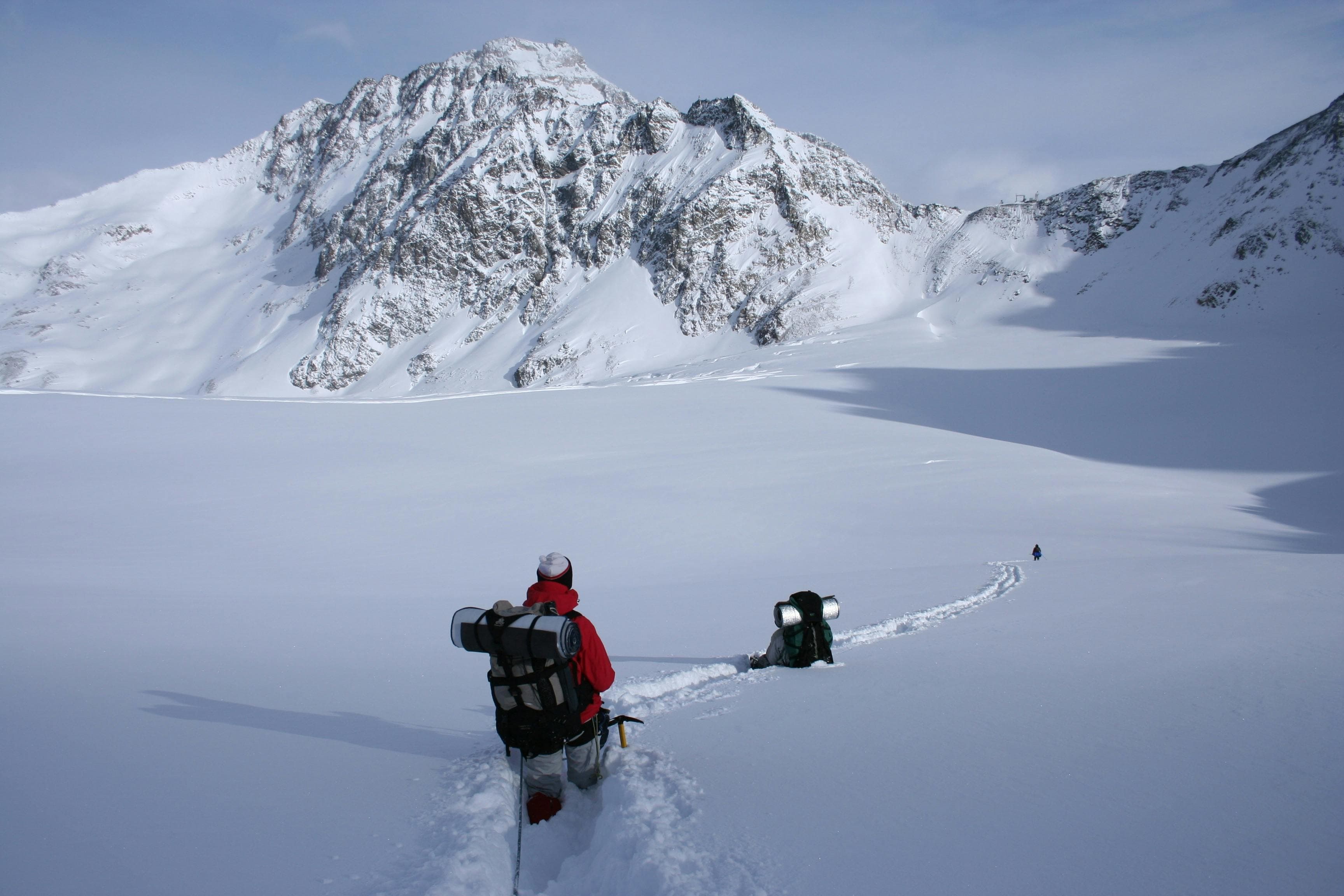
We leave Numa La Base Camp (4,440 m / 14,567 ft) early in the morning and begin a steady climb toward one of the most challenging highlights of the journey, Numa La Pass (5,310 m / 17,421 ft). The ascent takes approximately 7 to 8 hours in total, with a demanding but rewarding trail that gradually rises through stark alpine terrain, where vegetation disappears and the landscape becomes increasingly raw and dramatic.
Reaching the pass is a memorable moment of the trek, with sweeping views of distant Himalayan ranges and surrounding high ridgelines stretching in every direction. After a short break at the top, we begin the long descent toward the valley below, following a rugged trail that gradually softens as we lose altitude. Occasional patches of grassland and grazing areas appear as we approach lower terrain, offering a noticeable shift from the harsh pass environment.
By late afternoon, we arrive at Danigar (4,512 m / 14,803 ft), a remote high-altitude campsite set in a wide and quiet basin. Surrounded by mountains and open sky, it provides a peaceful place to rest and recover after a demanding crossing of Numa La Pass. Overnight stay at tented camp.
Early in the morning, we set out from Danigar (4,512 m / 14,803 ft) for one of the most demanding sections of the journey, crossing Baga La Pass (5,169 m / 16,962 ft) en route to Yak Kharka (3,860 m / 12,664 ft). The trek takes approximately 7 to 9 hours and involves a sustained ascent through stark, high-altitude terrain before a long descent into lower valleys.
The climb toward Baga La is steady and challenging, with increasingly exposed trails and wide views opening up as we gain elevation. From the pass, we are rewarded with sweeping views of the surrounding Himalayan ridgelines and distant snow-capped peaks of the Dolpo region, stretching across a vast and rugged landscape. After a short rest at the top, the route descends along rocky and uneven trails, gradually softening as we lose altitude and approach greener terrain.
By late afternoon, we arrive at Yak Kharka, a quiet grazing area surrounded by rolling hills and seasonal pastures. The landscape here feels noticeably gentler, offering a calm and welcome contrast after a long day crossing the high mountain pass. Overnight stay at tented camp.
The journey from Yak Kharka (3,860 m / 12,664 ft) begins with a gradual descent toward one of the most breathtaking highlights of the entire trek, Phoksundo Lake (3,640 m / 11,942 ft). Today’s walk takes approximately 5 to 6 hours as the trail winds through changing landscapes that steadily grow greener and more inviting.
Along the way, we pass small seasonal settlements and yak grazing areas, where life continues in a quiet and traditional rhythm. The route also offers occasional viewpoints over surrounding valleys and hills, marking the transition from high alpine terrain to a more sheltered and forested environment.
By afternoon, we reach the shores of Phoksundo Lake, famous for its deep turquoise waters and dramatic cliffside setting. The calm atmosphere and striking scenery make it one of the most memorable moments of the journey. Overnight stay at tented camp near the lake.
A full day is set aside for exploration and acclimatization at Phoksundo Lake (3,640 m / 11,942 ft), allowing time to experience one of the most breathtaking landscapes in Nepal at a relaxed pace. The morning begins beside the deep turquoise waters of the lake, where the still surface reflects the surrounding cliffs and creates a calm, almost surreal atmosphere.
Later, we hike to a nearby viewpoint above the lake, where sweeping panoramas open up over Phoksundo’s vast blue expanse and the dramatic canyon walls that enclose it. This vantage point offers one of the best perspectives of the lake, showcasing its incredible color contrast against the barren cliffs and alpine terrain.
We also explore the nearby village of Ringmo, a traditional settlement influenced by Tibetan culture, with stone-built houses, prayer flags, and a peaceful monastery adding cultural depth to the natural beauty of the region. The rest of the day is free for rest, photography, and quiet walks along the lakeshore. Overnight stay at tented camp near Phoksundo Lake.
We leave the serene shores of Phoksundo Lake (3,640 m / 11,942 ft) behind and begin our descent toward Shyangta (2,520 m / 8,267 ft), a trek of approximately 6 to 7 hours. The trail gradually winds away from the lake, offering final glimpses of its deep turquoise waters before entering forested terrain and a noticeably warmer, greener landscape.
As we descend, the path follows the Phoksundo Khola through a mix of pine forests, narrow trails, and traditional footpaths carved into the hillside. The dramatic cliffs slowly give way to rolling slopes and scattered settlements, marking a clear transition from high alpine wilderness to lower valleys. Occasional waterfalls and river crossings add variety to the journey, making the descent both scenic and refreshing.
By late afternoon, we arrive at Shyangta, a small settlement surrounded by forested hills and terraced land. The softer climate and peaceful surroundings offer a comfortable resting point after several days in the high Dolpo region. Overnight stay at teahouse or tented camp.
On the final day of trekking, we set out from Shyanta toward Jhupal (2,475 m / 8,120 ft), a walk of approximately 5 to 6 hours. The trail descends gently through forested ridges, terraced fields, and small settlements, gradually reintroducing signs of everyday village life after the remote landscapes of Phoksundo.
Along the route, we cross suspension bridges over the Phoksundo Khola and pass through quiet rural villages where traditional homes and farmland reflect the rhythms of the region. The path is mostly downhill with mild undulations, making it a relaxed and reflective final trekking section.
By afternoon, we arrive at Jhupal, the gateway airstrip town of Dolpo, marking the completion of our trekking journey. The surrounding hills feel calmer and more familiar, offering a sense of closure after days in the high Himalayas. Overnight stay at teahouse in Jhupal.
After an early breakfast, we take a short flight from Jhupal to Nepalgunj, offering one last aerial glimpse of the rugged hills and deep valleys of Dolpo as we descend toward the lowland plains. Upon arrival in Nepalgunj, we connect to our onward flight to Kathmandu, continuing the journey eastward across Nepal’s diverse landscapes, from the flat Terai region back toward the central hills.
As domestic flights in Nepal are weather dependent, there may be a short wait or possible delay in Nepalgunj before the connection to Kathmandu. Once the flight operates, we continue to Kathmandu, where the scenery gradually shifts from lowland plains to rolling green hills and finally the familiar bowl-shaped Kathmandu Valley. On arrival, we transfer to the hotel and conclude our remarkable journey through Dolpo, carrying lasting memories of remote valleys, high passes, and the serene beauty of Phoksundo Lake.
After an early breakfast, we will transfer to Tribhuvan International Airport in Kathmandu for your onward departure. The drive offers a final glimpse of the Kathmandu Valley, with its busy streets, temples, and distant hills fading into the background as the journey comes to a close.
Depending on your flight schedule, our team will ensure a smooth and timely transfer to the airport. This marks the end of your memorable journey through the remote valleys and high mountains of Dolpo, leaving you with lasting impressions of Nepal’s wilderness, culture, and Himalayan beauty.