

Arrival at Tribhuwan International Airport. Our Staff member meets you and transfers you to the hotel.
Overnight at the hotel.
Far West Nepal

Trek Starting Point
Makarigadh

Trek Ending Point
Makarigadh

Departure From
Kathmandu

Transportation
Domestic flight, Private Vehicle, Local Jeep

Style
Hiking and Trekking

Meal
Breakfast, Lunch, Dinner

Accommodation
Tourist standard hotel in Kathmandu, Teahouse during trek
The Api Base Camp Trek is one of Nepal’s most remote and rewarding Himalayan journeys, located in the far-western region of Nepal within the Api Nampa Conservation Area. The route leads to the base of Mt. Api (7,132 m), passing through a remote landscape where traditional mountain communities, untouched valleys, and natural environments have remained closely connected for generations.
The trek begins through mid-hill villages, terraced farmland, and forested trails before gradually entering more remote and rugged mountain terrain. As the route gains elevation, settlements become fewer, the valleys become wider, and the landscape changes into alpine wilderness with high grazing areas used by local herding communities.
One of the unique aspects of the Api Base Camp Trek is the gradual transition from village life to complete mountain solitude. Along the way, trekkers experience the culture and daily lifestyle of far-western Nepal while walking through forests, ridgelines, and open alpine valleys surrounded by impressive Himalayan scenery.
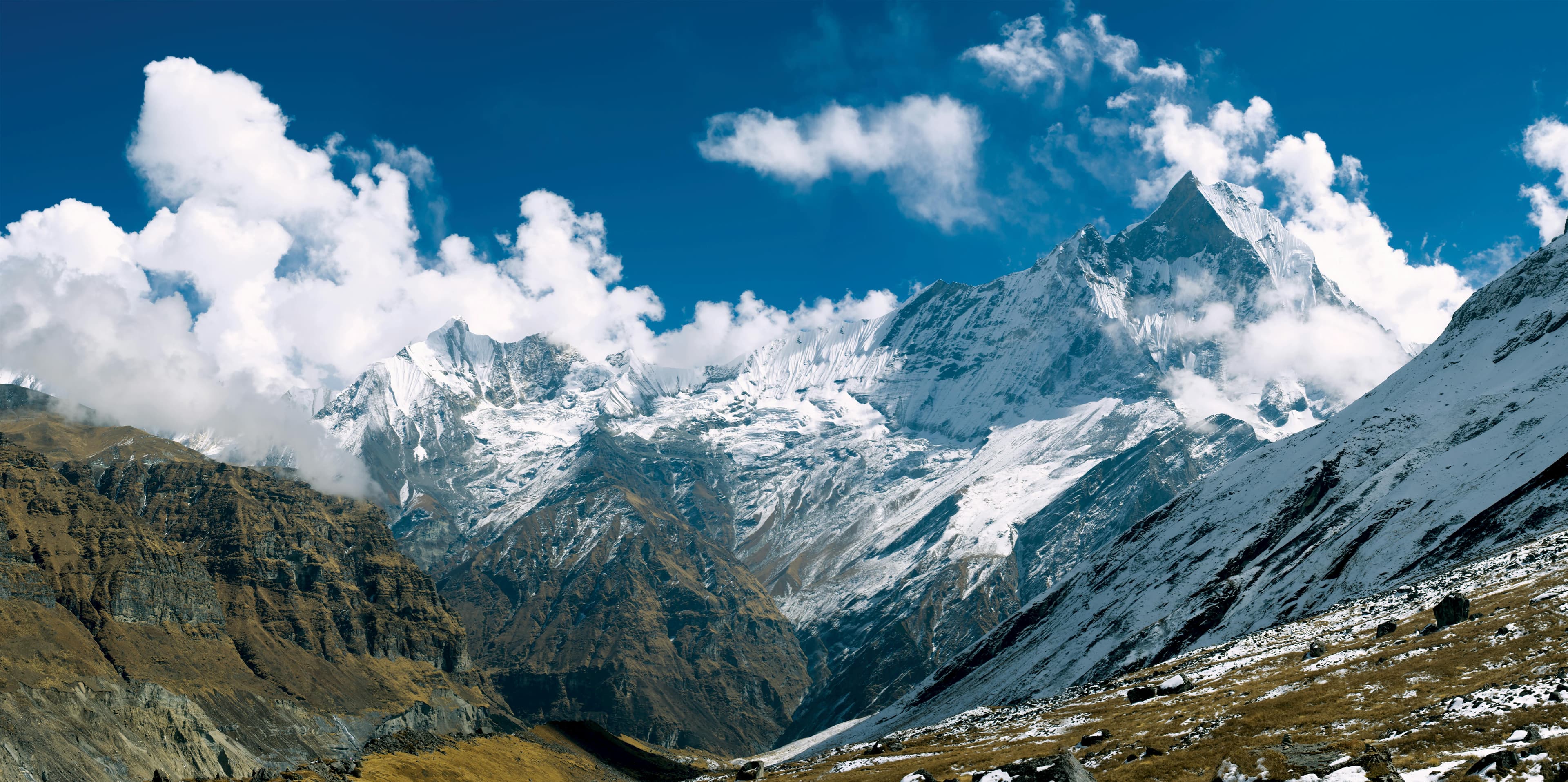
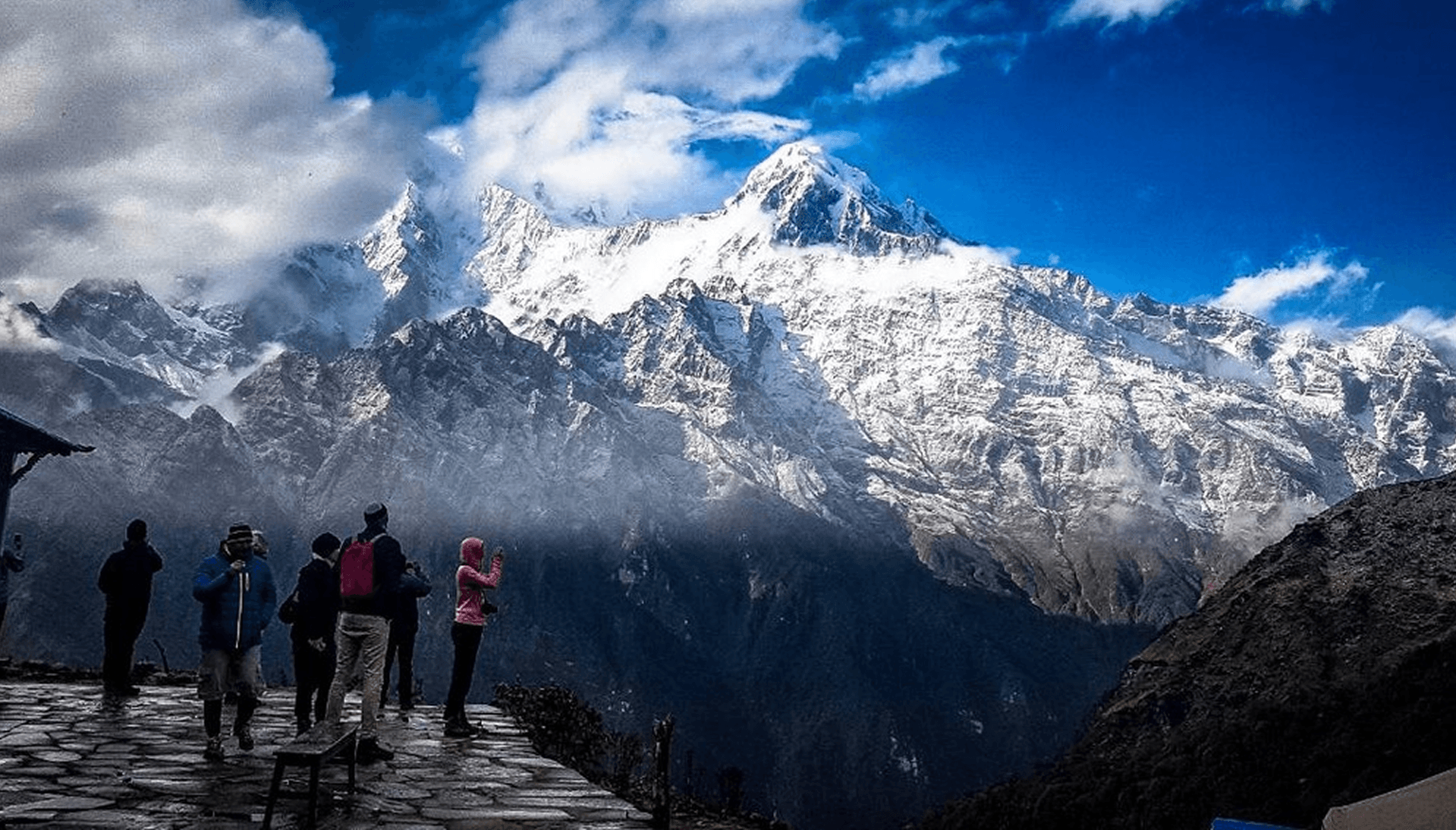
As the trail approaches the higher sections, views of Bobaye Chuli and Nampa Chuli become more prominent, creating a dramatic mountain backdrop on the way to Api Base Camp. The final approach reveals the remote beauty of the Api region, with rugged landscapes and the towering presence of Mt. Api dominating the surroundings.
Reaching Api Base Camp is the highlight of the trek. Situated beneath the southern face of Mt. Api, the base camp lies in a peaceful high-altitude basin surrounded by rocky slopes and Himalayan peaks. Away from the busy trekking routes of Nepal, the area offers a quiet and authentic mountain experience shared mainly with local herders and occasional trekking groups.
The trek also provides opportunities to explore nearby alpine areas such as Kalidhunga Tal (4,200 m) and gain a deeper understanding of the remote communities living in this part of Nepal. The combination of wilderness, culture, and close mountain views makes Api Base Camp a truly unique trekking experience.
This trek is best suited for trekkers who are comfortable with longer walking days, basic facilities, and remote conditions. Although the route requires patience and flexibility, it rewards trekkers with solitude, authentic cultural experiences, and unforgettable views of some of Nepal’s least-visited Himalayan peaks.
Arrival at Tribhuwan International Airport. Our Staff member meets you and transfers you to the hotel.
Overnight at the hotel.
After breakfast at the hotel, our guide will meet you at the hotel and provide a briefing about the upcoming trek, including the itinerary, safety information, and important preparations. He will also assist you with all the necessary trekking formalities and paperwork.
After the briefing, we will go on a sightseeing tour around the Kathmandu Valley, visiting famous UNESCO World Heritage Sites such as Boudhanath Stupa, one of the largest Buddhist stupas in the world, and Swayambhunath Stupa, also known as the Monkey Temple. On this day, we will also arrange the TIMS card and other required permits for the trek.In the evening, you will have time to prepare your trekking gear and make the final arrangements for the journey ahead. Overnight at the hotel.
After an early breakfast in Kathmandu (1,400 m / 4,600 ft), we take a scenic flight to Dhangadhi (approximately 110 m / 360 ft), a major gateway city in Nepal’s far-western Terai region. The flight takes around 1 hour 10–15 minutes, offering sweeping aerial views as the Kathmandu Valley gradually gives way to terraced hills, river valleys, and finally the vast flatlands of the lowlands. On clear days, distant Himalayan peaks may still be visible during the initial part of the flight.
Upon arrival in Dhangadhi, we begin our overland journey to Dadeldhura (2,090 m / 6,860 ft), a beautiful hill station known for its ridge-top setting and cool mountain climate. The drive takes approximately 6 to 7 hours, passing through the warm Terai plains before gradually ascending into the mid-hills. Along the way, the scenery transforms into forested slopes, terraced fields, river valleys, and winding mountain roads.
As we climb higher, the air becomes cooler and fresher, and the landscape grows more scenic and tranquil. The final stretch toward Dadeldhura offers wide ridge-line views and a peaceful hill atmosphere. Upon arrival, we check into the hotel and enjoy a relaxed evening in this quiet mountain town. Overnight stay at a Lodge.
After breakfast in Dadeldhura (2,090 m), we leave the ridge-top town and start our drive towards Gokuleshwor. The road gradually drops in elevation, winding through forested hills and scattered settlements. It’s a long but interesting drive, with changing landscapes all the way from cool mid-hills to warmer river valleys.
The route generally takes around 5 to 7 hours, depending on road and traffic conditions. We pass small roadside villages, local market areas, and farming terraces along the way, with sections of narrow and curving road as we descend toward the Mahakali river system. Places around Bagarkot and nearby hill settlements serve as small rest points where locals gather and travelers often stop for tea or short breaks.
As we approach Gokuleshwor, the climate becomes noticeably warmer and more humid. It’s a small but important junction town for travelers heading further into the Darchula region and Api Himal area. On arrival, we check into the lodge and rest after the long drive. Overnight stay in Gokuleshwor.
After breakfast in Gokuleshwor, we begin our drive towards Makarigadh, continuing deeper into the remote Mahakali valley region. Leaving Gokuleshwor, the road gradually descends and follows the river corridor, passing through scattered hillside settlements and terraced farmland as the landscape becomes more rugged and isolated.
The drive usually takes around 4 to 6 hours, depending on road and weather conditions. Along the way, we pass small but important local settlements such as Dhagari, Rapla, and nearby village clusters, which serve as occasional rest points for tea and basic supplies. The route includes rough and narrow road sections, with suspension bridges crossing tributaries of the Mahakali River and winding tracks carved into steep hillsides.
As we approach Makarigadh(1,300 m), the surroundings become quieter and more remote, with limited habitation and open river valley views. This area is typically used as a camping or basic overnight stop for trekkers and expedition groups heading further into the upper Darchula region. Upon arrival, we settle in for the night and rest in this peaceful, isolated setting. Overnight stay at a teahouse.
After breakfast at Makarigadh (1,300 m / 4,265 ft), we begin our trek towards Sitigaun, following the trail that gradually climbs away from the Mahakali river valley. The route starts with a steady ascent through small forest sections and scattered hillside farmlands, with occasional views back down into the river gorge.
The trek usually takes around 5 to 7 hours, depending on pace and trail conditions. Along the way, we pass through small rural settlements and seasonal shelters used by locals, where terraced fields and traditional hillside farming dominate the landscape. The trail is a mix of uphill climbs, ridge walking, and short flat sections, offering a good introduction to the more remote trekking terrain of the region.
As we approach Sitigaun (2,200 m), the environment becomes quieter and more isolated, with fewer settlements and more natural forest surroundings. Siti is a small hillside village with basic accommodation options, often used as an overnight stop for trekkers heading deeper into the Darchula region. Upon arrival, we settle in and rest after the day’s hike. Overnight stay at teahouse.
After breakfast in Sitigaun (2,200 m), we begin our trek towards Dhaule Odar. The trail gradually leaves the village and enters a remote stretch of mid-hill terrain, following forested slopes and narrow contouring paths with a mix of gradual descents and steady uphill sections.
The trek usually takes around 5 to 7 hours, depending on trail conditions and walking pace. Along the way, there are no major settlements, only occasional seasonal shelters and grazing areas used by local herders. The route passes through dense forest and ridge sections, offering a quiet and isolated trekking experience with very limited human activity.
As we gain elevation, the landscape becomes more rugged and alpine in character. Dhaule Odar (around 3,400–3,600 m) is a high and remote stop known for its natural rock shelters and basic camping areas used by trekking groups and locals moving through this corridor. Upon arrival, we set up camp or settle into basic shelter and rest after the long ascent. Overnight stay at a teahouse.
After breakfast at Dhaule Odar, we begin our trek towards Api Base Camp (3,900 m). The trail follows a gradual ascent through alpine meadows, rocky terrain, and open mountain slopes, offering increasingly impressive views of the surrounding peaks and valleys. As we move higher, the landscape becomes more rugged, with sparse vegetation and a true high-Himalayan atmosphere.
The trek typically takes around 3 to 4 hours, depending on weather conditions and walking pace. Along the route, trekkers can enjoy panoramic views of the Api Himal range, pristine mountain scenery, and occasional sightings of wildlife native to the Api Nampa Conservation Area. The peaceful surroundings and untouched wilderness make this section one of the most rewarding parts of the journey.
Upon reaching Api Base Camp (3,900 m), we are greeted by breathtaking views of Mt. Api (7,132 m), nearby glaciers, and dramatic alpine ridges. After spending time exploring the area, taking photographs, and enjoying the spectacular mountain scenery, we settle into camp and rest for the night amidst the stunning Himalayan landscape. Overnight stay at camp.
After breakfast at Api Base Camp, we set out to explore the remarkable surroundings of the Api Himal region. A gentle walk of approximately 30–45 minutes from the teahouse brings us to the foot of the mountain, where the grandeur of Mt. Api (7,132 m) can be experienced up close. One of the unique highlights of this excursion is the opportunity to approach and physically touch the lower rocky slopes of the mountain, an experience rarely possible on many Himalayan treks.
Along the way, it is not uncommon to encounter local people enjoying games of cricket and volleyball on the open grounds near the base camp, adding a lively and unexpected cultural touch to this remote alpine setting.
At the base of Mt. Api, visitors can witness crystal-clear water emerging directly from beneath the mountain's rocky foundation. This spring is considered one of the primary sources of the Chameliya River, which flows through the valleys of far-western Nepal. The area also offers outstanding views of Bobaye Chuli (6,808 m) and Nampa Chuli (6,611 m), creating an impressive panorama of the Api Himal massif.
After visiting and experiencing Mt. Api up close, we continue our excursion towards Kalidhunga Tal (4,200m), a pristine alpine lake surrounded by rugged highland scenery and known for its calm waters and beautiful reflections of the surrounding peaks. The hike offers a peaceful contrast to the dramatic glacier and mountain environment of Api Base Camp.
For those with sufficient time and energy, an additional hike towards Nampa Chuli Base Camp can also be arranged for even closer views of the surrounding mountains and deeper exploration of the region. After a full day of exploration, we return to the teahouse for an overnight stay.
After enjoying the sunrise views over the Api Himal range, we leave Api Base Camp (3,900 m) and begin our descent towards Sitigaun (2,200 m). Retracing part of the trail through alpine meadows and rocky slopes, we gradually leave the high mountain environment behind and descend into greener hillsides and forested terrain.
The trek takes approximately 6 to 8 hours, depending on trail conditions and walking pace. The descent is long but rewarding, with excellent views of the surrounding peaks, glacial valleys, and ridgelines. As we lose elevation, vegetation becomes denser and the trail passes through grazing areas, forest sections, and occasional seasonal shelters used by local herders.
By late afternoon, we arrive at Sitigaun, a small hillside settlement surrounded by terraced fields and traditional farmland. The village provides a welcome return to a more settled environment after several days in the high alpine zone. Overnight stay at a teahouse.
Leaving Sitigaun (2,200 m) after breakfast, we set out on our journey towards Makarigadh (2,310 m). The trail follows traditional village paths through terraced fields, scattered settlements, and beautiful forests of pine and rhododendron. Along the way, we pass through several small villages, offering opportunities to observe the daily lifestyle, culture, and hospitality of the local communities.
The trek typically takes around 5 to 6 hours, with a mix of gradual ascents and gentle descents. As we continue along the ridgeline, the route offers pleasant views of the surrounding hills, deep valleys, and distant Himalayan peaks. The peaceful environment and cultural encounters make this section of the journey both scenic and rewarding.
Upon reaching Makarigadh (2,310 m), we can explore the historic hilltop area and enjoy panoramic views of the surrounding landscape. The village serves as a comfortable stop before continuing further along the trail. Overnight stay at a teahouse.
Following breakfast at Makarigadh (2,310 m), we begin our scenic drive towards Dadeldhura. The journey follows winding mountain roads through picturesque hills, traditional villages, terraced farmland, and dense forests, offering a final glimpse of the beautiful landscapes of far-western Nepal.
The drive typically takes around 5 to 7 hours, depending on road and weather conditions. Along the way, there are opportunities to enjoy views of rolling hills, river valleys, and rural settlements that reflect the region's rich cultural heritage and natural beauty.
Upon arrival in Dadeldhura, we check into our accommodation and have time to relax or explore the town. As one of the major administrative and commercial centers of far-western Nepal, Dadeldhura provides a comfortable setting to unwind after the trekking adventure. Overnight stay at a lodge / hotel.
We leave Dadeldhura (2,090 m) after breakfast and start our drive towards Dhangadhi, gradually dropping down from the cool mid-hills into the warmer lowlands of far-western Nepal. The road winds through forested ridges, scattered villages, and small roadside bazaars, giving a clear sense of the landscape changing as we head south.
The drive usually takes around 4 to 6 hours, depending on road and weather conditions. Along the way, we pass through a few key settlements and river valleys where daily life in the hills slowly gives way to the busier rhythm of the Terai.
On arrival in Dhangadhi (110 m), we check into the hotel and take a well-earned rest. As the main city of far-western Nepal, Dhangadhi offers good facilities and marks the end of our overland journey from the mountains. Overnight stay at a hotel.
We set out from Dhangadhi in the morning and transfer to the airport for our flight back to Kathmandu. After days in the remote hills and high mountains of far-western Nepal, this short flight brings a complete change of scenery as we move from the Terai lowlands to the capital valley.
The flight takes about 55 to 65 minutes, depending on weather and air traffic. On a clear day, there are usually good views of the Himalayan range during the flight before we descend into Kathmandu.
Once we land in Kathmandu, we transfer to the hotel. The rest of the day is free to relax or move around the city at your own pace, marking the end of the journey through far-west Nepal. Overnight stay at a hotel.
The morning begins in Kathmandu (1,400 m / 4,600 ft) with free time depending on your international flight schedule. If time permits, you may take a short walk around the hotel area or do some last-minute shopping in the city.
At the designated time, we transfer to Tribhuvan International Airport for your onward journey. This marks the conclusion of your trip in Nepal, taking with you lasting memories of the hills, forests, and remote wilderness of western Nepal, including the Api Himal region and its surrounding landscapes.