

Arrival at Tribhuwan International Airport. Our Staff member meets you and transfers you to the hotel.
Overnight at the hotel.
Kanchenjunga Region

Trek Starting Point
Khebang

Trek Ending Point
Khebang

Departure From
Kathmandu

Transportation
Domestic flight, Private Vehicle, Local Jeep

Style
Hiking and Trekking

Meal
Breakfast, Lunch, Dinner

Accommodation
Tea house / Tourist standard hotel in Kathmandu
The Kanchenjunga South Base Camp Trek is a remarkable journey into one of Nepal's most pristine and least-travelled Himalayan regions. Located in the far east of the country, the route follows the serene Simbuwa Khola Valley within the protected Kanchenjunga Conservation Area, offering an exceptional sense of remoteness and natural beauty.
The trail rises gradually from the mid-hills of the Taplejung region, passing through traditional Limbu villages such as Yamphudin, where local culture and rural mountain life have remained largely unchanged for generations. As the journey continues, the landscape transforms into quiet rhododendron forests, alpine pastures, and eventually the dramatic glacial terrain beneath the Kanchenjunga massif.
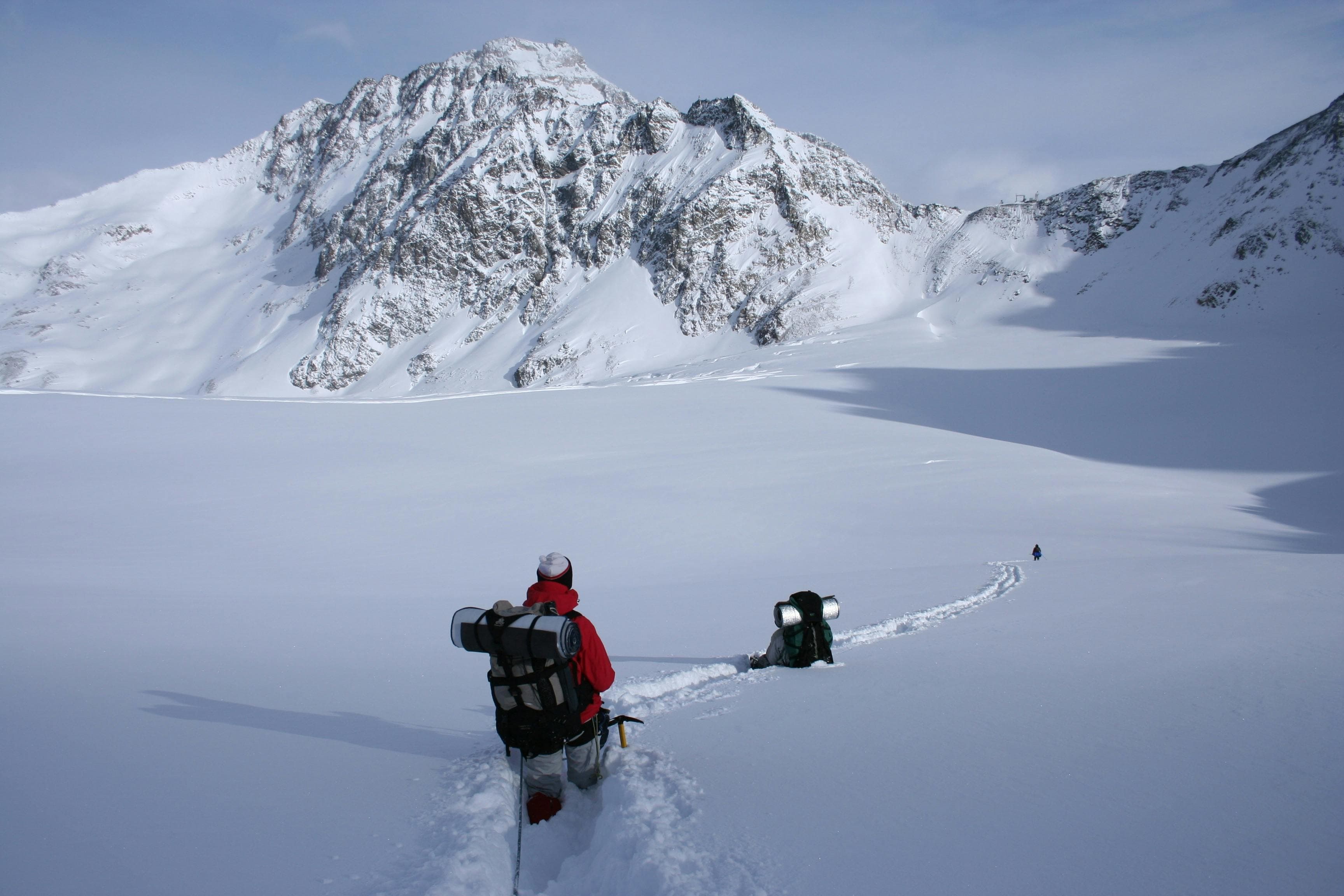
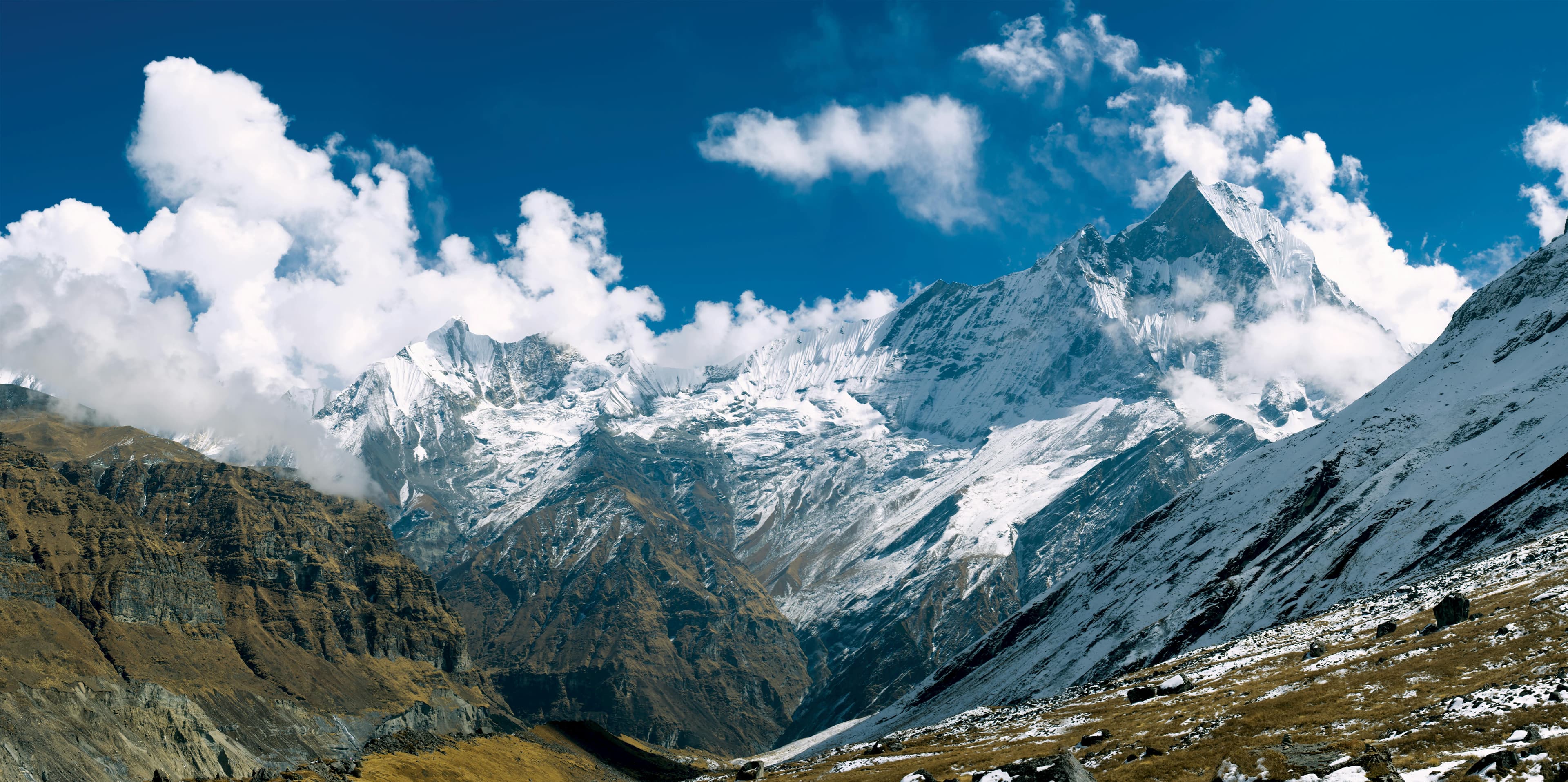
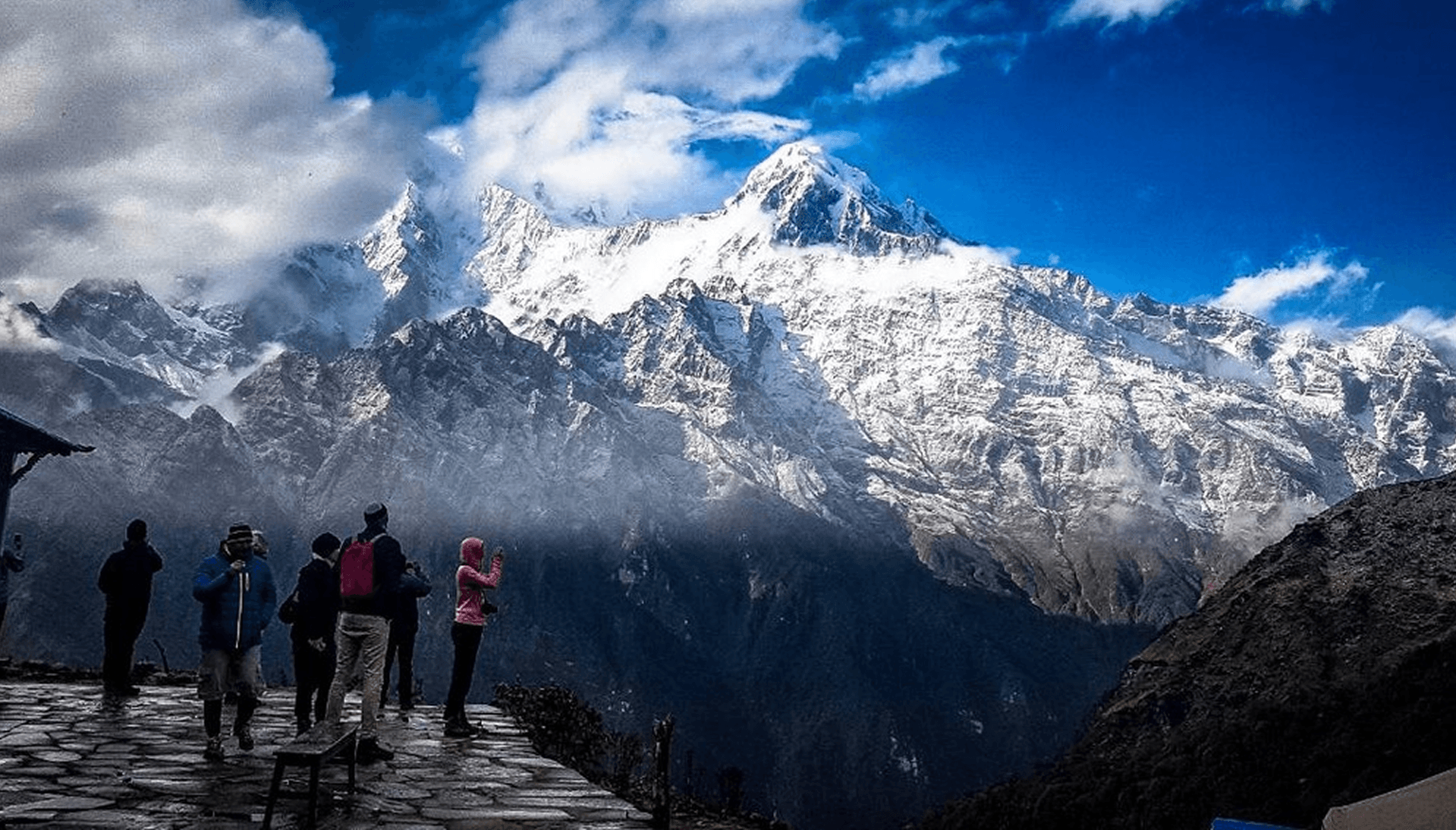
A defining highlight of the trek is reaching Oktang (4,730 m), the closest viewpoint of Kanchenjunga's south face. From here, trekkers are rewarded with breathtaking views of the Yalung Glacier and the immense south face of Kanchenjunga, creating one of the most spectacular mountain panoramas in the Himalayas. The scale, silence, and remoteness of this high-altitude landscape make the experience truly unforgettable.
This is a challenging yet highly rewarding trek, best suited to experienced trekkers seeking solitude, adventure, and an authentic Himalayan experience. Accommodation remains simple and traditional throughout the route, adding to the sense of connection with both the landscape and the local communities.
The Kanchenjunga South Base Camp Trek offers a rare combination of rich local culture, pristine wilderness, and spectacular mountain scenery. For those looking beyond Nepal's more popular trekking destinations, it provides an unforgettable journey through one of the country's last truly unspoiled Himalayan regions.
Arrival at Tribhuwan International Airport. Our Staff member meets you and transfers you to the hotel.
Overnight at the hotel.
Morning wake-up and breakfast in the hotel
Our guide will meet you at your hotel and brief you about the upcoming trek. He will guide you through all the formalities and necessary paperwork required for the trek.
After that, we then do a sightseeing touri n Kathmandu Valley of famous UNESCO world heritage sites like Boudhanath, one of the largest Stupas in the world and Swayambhunath, a famous monkey temple. Apart from Sightseeing, we also get a TIMS card and permits for our trekking on this day. In the evening, we do initial preparation for the trek.
Overnight at the hotel.
After an early breakfast, we transfer to the airport for the 45-minute flight from Kathmandu to Bhadrapur. Upon arrival in the subtropical lowlands of eastern Nepal, we meet our vehicle and begin the long but rewarding drive toward the hills.
The journey takes approximately 8 – 10 hours, passing through Birtamod before climbing into the lush tea-growing region of Ilam. The road winds through terraced hillsides, cardamom farms, forests, and traditional villages, offering a fascinating glimpse into daily life in eastern Nepal. After a lunch stop en route, we continue through Phidim, an important hill town and trading center for the surrounding districts.
As we travel deeper into the Limbu heartland, the scenery becomes increasingly rural and mountainous. By late afternoon or early evening, we arrive at Khebang (1,915m), a traditional Limbu village set among rolling hills and cultivated terraces. Khebang serves as an important gateway to the lower Kanchenjunga region and provides an excellent introduction to the culture and landscapes we will encounter during the trek. Overnight stay at a teahouse.
Today we leave Khebang and follow the trail north, gradually gaining and losing elevation as we traverse a mix of terraced fields, forested sections, and scattered Limbu settlements. The path is well-established but undulating, with stone steps in places and narrow hillside tracks in others. Along the way, we pass farmland and small village clusters, with regular views across the surrounding valleys and ridgelines.
After approximately 5 – 6 hours of trekking, we arrive at Yamphuldin (2,080m), located at the confluence of the Amji Khola and Kabeli Khola. This is an important junction village at the entrance to the Simbuwa Khola Valley and serves as a key meeting point for routes heading deeper into the Kanchenjunga region.
We check into a local teahouse on arrival. The rest of the afternoon is free to rest, wash up, and explore the riverside area at a relaxed pace. Overnight stay at a teahouse.
Today we leave Yamphudin and follow the trail into the Simbuwa Khola Valley. The route begins with a descent to the river before continuing upstream through forested sections, small clearings, and scattered settlements. It is a steady and varied day, with gradual elevation gain as the valley becomes narrower and more remote.
The main climb begins as we leave the river and ascend toward Lasiya Bhanjyang (3,310 m), a high ridge crossing above the Simbuwa Khola Valley. The ascent is sustained and can be demanding, especially through forest sections and steep stone paths. From the pass, the trail drops back into dense woodland, with a long descent toward the valley floor.
After approximately 6 – 7 hours of trekking, we reach Tortong (2,995m), a small settlement set in a quiet forested section of the valley. It is a common stopping point for trekkers continuing deeper into the Kanchenjunga region. We check into a local teahouse on arrival and rest for the evening. Overnight stay at a teahouse.
Today we leave Tortong and continue up the Simbuwa Khola Valley. The trail starts with a steady climb through dense rhododendron and mixed forest, following the river upstream. It is a quiet section of the trek, with few settlements and a more remote mountain atmosphere as we gain elevation.
The route continues with a gradual but consistent ascent toward the higher valley. Depending on conditions, we may pass small seasonal shelters used by herders and trekkers, but there are no major villages along this section. The terrain becomes more alpine as the forest begins to thin out.
After approximately 5 – 6 hours of trekking, we reach Tseram (3,870 m), a high valley settlement surrounded by forest and open slopes beneath the higher peaks of the Kanchenjunga region. This is an important staging point for treks heading toward Oktang and the South Base Camp area. We check into a local teahouse on arrival and rest for the evening. Overnight stay at a teahouse.
Leaving Tseram behind, we continue our ascent into the upper Simbuwa Valley. The trail climbs steadily through alpine terrain, following moraine sections, open slopes, and patches of rhododendron as the valley gradually widens and the views toward the surrounding peaks become more defined. It is a consistent uphill walk, and the pace is naturally slower due to the increasing altitude.
There are no major settlements on this section of the route, only occasional seasonal shelters and grazing areas used during the summer months. As we gain height, the landscape becomes increasingly glacial in character, with a clear sense of entering the high mountain environment.
After approximately 3 – 4 hours of trekking, we reach Ramche (4,580m), a high alpine settlement located beneath the glaciers of the Kanchenjunga South Face. This is one of the highest overnight stops on the trek and serves as a base for visits toward Oktang and the South Base Camp viewpoints. Overnight stay at a teahouse.
Today we leave Ramche early and make our way toward the Kanchenjunga South Base Camp area. The trail initially follows a gentle alpine path before traversing moraine terrain above the Yalung Glacier, with increasingly wide views of the Kanchenjunga South Face and surrounding icefields. It is a short but high-altitude walk, and we move steadily as we approach the viewpoint area around Oktang (approx. 4,730m).
We spend time at the viewpoint to take in the close-up panorama of the glacier and surrounding peaks before retracing our steps back to Ramche. From here, we continue the long descent down the Simbuwa Khola Valley, passing Tseram and gradually re-entering forested terrain as the landscape becomes greener and more enclosed.
After approximately 7 – 8 hours of trekking in total, we reach Tortong (2,995m), where we stop for the night. The surroundings are noticeably warmer and more sheltered after the high alpine environment of the day. We check into a local teahouse on arrival and rest for the evening. Overnight at a teahouse.
We begin our descent from Tortong and follow the trail down the Simbuwa Khola Valley toward the lower hills. The route is mostly downhill, passing through dense forest, river sections, and a long series of stone steps and narrow hillside paths as we steadily lose elevation.
The trail continues through forested terrain and scattered settlements, with the landscape gradually opening up as we approach the lower valleys. The air becomes warmer and more humid as we descend back toward cultivated land and terraced fields.
After approximately 6 – 8 hours of trekking, we reach Khebang (1,910m), a traditional hillside village surrounded by farmland and forest. This marks our return to the lower Kanchenjunga region after several days in higher alpine terrain.
We check into a local teahouse on arrival and rest after the long descent. Overnight stay at a teahouse.
After breakfast in Khebang, we begin our drive back toward the eastern plains of Nepal. The road first winds down through the mid-hills, passing terraced farmland, small settlements, and forested ridges as we retrace the route toward the lowlands.
The journey continues via Phidim and then descends further through the hill roads toward the Mechi highway. As we drop in altitude, the landscape gradually changes from cooler hill country to the warmer subtropical plains. The drive offers a final look at the rural countryside of eastern Nepal, with busy roadside towns and agricultural landscapes replacing the remote trekking valleys.
After approximately 7 – 9 hours of driving, we arrive at Kanyam (1,570 m), a popular hill station known for its rolling tea gardens and wide-open views. It is one of the most scenic tea-growing areas in eastern Nepal and a comfortable place to relax after the trek.
We check into our lodge on arrival and spend the evening at leisure, enjoying the cool climate and surrounding tea estates. Overnight stay at a lodge.
After breakfast in Kanyam, we spend a relaxed morning exploring the surrounding tea gardens and viewpoints, enjoying the final views of the Ilam hills. It is a calm start to the day with time to take in the landscape one last time before leaving the mid-hills.
Late morning, we begin our drive toward Bhadrapur, descending through small hill settlements and gradually entering the warmer lowlands of eastern Nepal. The route passes through Birtamod and continues through busy market towns and agricultural landscapes of the Terai.
After approximately 2 – 3 hours of driving, we arrive in Bhadrapur. We check into our lodge and have the rest of the day at leisure to rest after the journey. Overnight stay at a lodge.
After breakfast, we transfer to Bhadrapur Airport for the return flight to Kathmandu. Following check-in formalities, we board the flight for the short journey back to the capital.
The flight takes approximately 45 – 55 minutes and offers a final aerial view of eastern Nepal’s lowlands and distant hill ranges before descending into the Kathmandu Valley. Upon arrival, we are transferred to the hotel, marking the end of the trip. Overnight stay at a hotel.
Today marks your final day in Nepal and the end of your trekking adventure. Depending on your flight schedule, you will be transferred from your hotel to Tribhuvan International Airport for your onward international departure.
This is a moment to reflect on the unforgettable journey through the Kanchenjunga region, from remote mountain trails and high passes to traditional villages and diverse cultural landscapes. The experiences and memories gathered along the way mark a truly remarkable Himalayan adventure.
Safe travels.