

Arrival at Tribhuwan International Airport. Our Staff member meets you and transfers you to the hotel.
Overnight at the hotel
Alpine Adventure to Nepal’s Sacred Himalayan Lake
Langtang Region

Trek Starting Point
Dhunche

Trek Ending Point
Dhunche

Departure From
Kathmandu

Transportation

Style
Hiking and Trekking

Meal
Breakfast, Lunch, Dinner

Accommodation
Tourist standard hotel in Kathmandu, Teahouse during trek
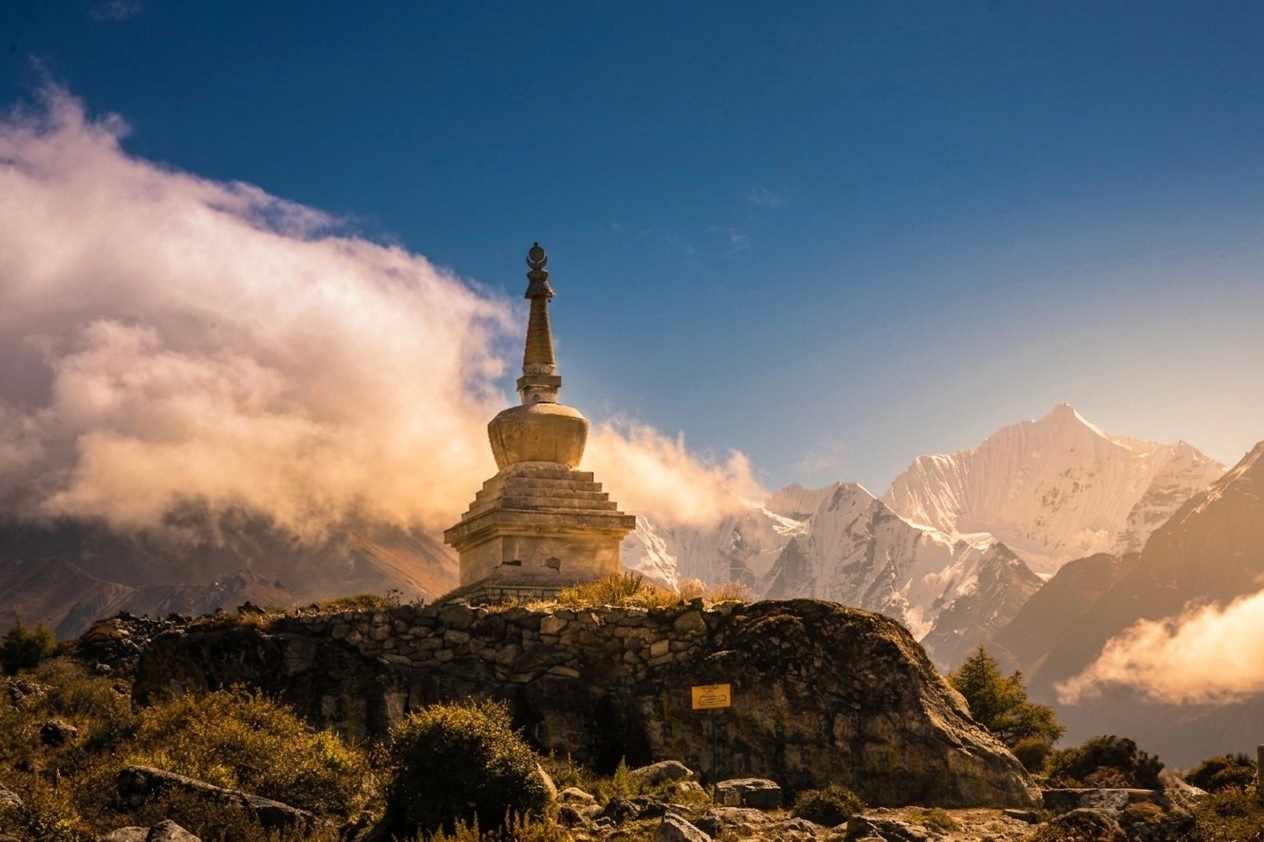
The Gosainkunda Lake Trek is a stunning high-altitude journey into the sacred Himalayan region of Gosainkunda(4,380 m / 14,370 ft), one of the most important pilgrimage sites for both Hindus and Buddhists. Located within Langtang National Park, this trek combines natural beauty, spiritual significance, and dramatic mountain landscapes.
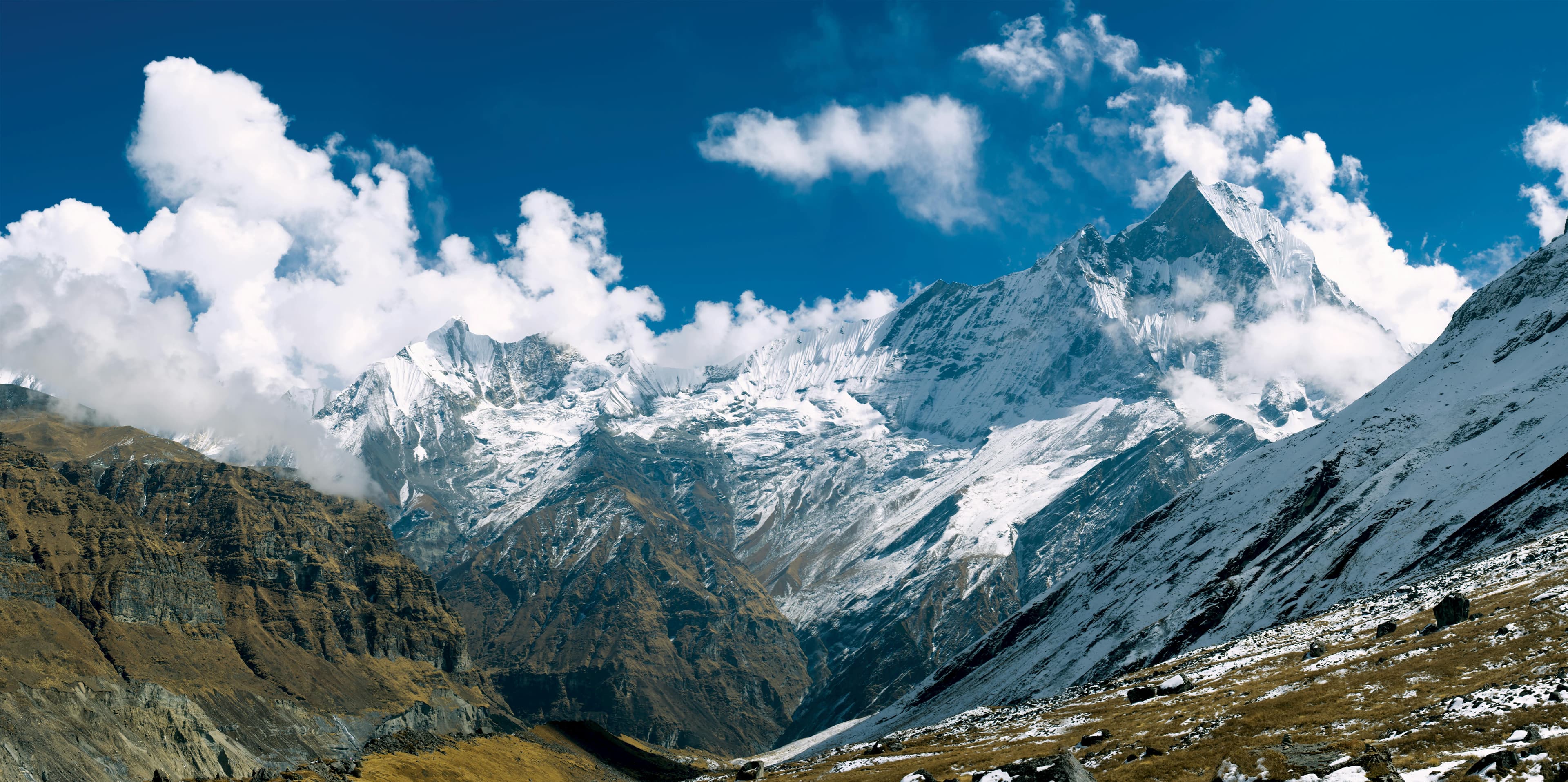
The journey typically begins from the lower hills of Rasuwa, gradually ascending through lush rhododendron, oak, and pine forests, passing traditional Tamang villages, terraced fields, and peaceful hillside settlements. As the trail climbs higher, the scenery transforms into rugged alpine terrain, with sweeping views of the Langtang and Ganesh Himal ranges.
A key highlight of the trek is reaching the sacred lake basin of Gosainkunda, a crystal-clear glacial lake surrounded by rocky peaks and prayer-flag-draped shores. According to Hindu mythology, the lake is believed to have been created by Lord Shiva, making it a major pilgrimage destination during the Janai Purnima festival.
The trek is moderately challenging due to continuous ascent and high altitude, but it is highly rewarding with its combination of cultural encounters, spiritual atmosphere, and breathtaking Himalayan scenery. Depending on the itinerary, the journey can be completed in 5 to 8 days, offering a perfect blend of adventure and tranquility in the heart of the Nepal Himalayas.
Arrival at Tribhuwan International Airport. Our Staff member meets you and transfers you to the hotel.
Overnight at the hotel
After breakfast at the hotel, our guide will meet you at the hotel and provide a briefing about the upcoming trek, including the itinerary, safety information, and important preparations. He will also assist you with all the necessary trekking formalities and paperwork.
After the briefing, we will go on a sightseeing tour around the Kathmandu Valley, visiting famous UNESCO World Heritage Sites such as Boudhanath Stupa, one of the largest Buddhist stupas in the world, and Swayambhunath Stupa, also known as the Monkey Temple. On this day, we will also arrange the TIMS card and other required permits for the trek.In the evening, you will have time to prepare your trekking gear and make the final arrangements for the journey ahead. Overnight at the hotel.
After breakfast in Kathmandu (1,400 m / 4,593 ft), we begin our scenic drive towards Dhunche (1,950 m / 6,398 ft ), the administrative center of Rasuwa District and the gateway to Langtang National Park. Leaving the busy capital behind, the journey follows winding mountain roads through terraced fields, riverside landscapes, and traditional villages.
As we travel northward, the road gradually climbs into the Himalayan foothills, offering beautiful views of green hills, dense forests, and flowing rivers. Passing through towns such as Trishuli and Betrawati, the drive provides a glimpse into rural life and the natural beauty of Nepal’s mid-hill region. Road conditions vary between paved highways and narrower mountain sections, adding an adventurous touch to the journey.
After approximately 5 – 6 hours of driving (around 100 – 115 km depending on road conditions), we arrive at Dhunche, a peaceful mountain town surrounded by pine-covered hills and Himalayan scenery. As an important stop for trekkers entering the Langtang region, Dhunche offers a refreshing mountain atmosphere and beautiful natural surroundings. Overnight stay at a local lodge.
From Dhunche (2,030 m / 6,660 ft), we set off on a scenic trek towards Thulo Syabru (2,210 m / 7,251 ft), a traditional Tamang village in the Langtang region. The trail soon leaves the town behind and enters the serene environment of Langtang National Park, where dense forests and Himalayan landscapes dominate the surroundings.
The route descends through pine and rhododendron forests before continuing with steady ascents and descents along steep hillsides. Along the way, we pass small streams, stone steps, and scattered settlements, with prayer flags, mani walls, and traditional houses reflecting the rich Tamang culture.
This moderately challenging section involves continuous elevation changes but offers varied scenery and a peaceful natural setting. On clear days, views of the Langtang range open up across the valleys and ridgelines.
After approximately 5 – 6 hours of trekking (around 8 – 11 km, depending on the chosen trail), we arrive at Thulo Syabru, a quiet hillside village surrounded by terraced fields and forest. Overnight stay at a teahouse.
From Thulo Syabru (2,210 m / 7,251 ft), we begin a steady ascent towards Chandanbari (Sing Gompa) (3,250 m / 10,663 ft), a scenic alpine settlement in the Langtang region known for its monastery and yak cheese production. The trail climbs deeper into Langtang National Park, gradually transitioning from lower hill forests to cooler high-altitude woodland.
The route involves a continuous uphill climb through dense oak, pine, and rhododendron forests, with long stone stair sections and quiet forest trails. Occasional openings along the way provide glimpses of distant Himalayan peaks and deep valleys below.
This is a moderately demanding day with significant elevation gain, making the ascent more strenuous but highly rewarding in terms of scenery and altitude experience.
After approximately 5 – 7 hours of trekking (around 9 – 11 km, depending on the exact trail variation), we arrive at Chandanbari (Sing Gompa) (3,250 m / 10,663 ft), a peaceful highland stop surrounded by forests and mountain views. Overnight stay at a teahouse.
Departing from Chandanbari (Sing Gompa) (3,250 m / 10,663 ft), we continue our journey on a demanding ascent towards the sacred alpine lake of Gosainkunda (4,380 m / 14,370 ft), one of the most revered pilgrimage destinations in the Himalayas. The trail climbs deeper into the high-altitude wilderness of Langtang National Park, where lush forests gradually transition into stark alpine landscapes.
The path first winds through rhododendron and juniper forests before reaching the open ridgelines around Laurebina, offering sweeping views of the Langtang and Ganesh Himal ranges. As altitude increases, vegetation becomes sparse and the terrain turns rocky and windswept, with long exposed sections along the mountain slopes.
This is a strenuous trekking day due to significant elevation gain, though the changing scenery and vast Himalayan panoramas make the effort highly rewarding.
After approximately 5 – 7 hours of trekking (around 10 – 12 km, depending on the route variation), we reach Gosainkunda, a breathtaking high-altitude lake basin surrounded by sacred waters and dramatic peaks. Overnight stay at a local teahouse.
From Gosainkunda (4,380 m / 14,370 ft), we begin a long and steady descent towards Dhunche (2,030 m / 6,660 ft), the administrative center of the Langtang region. Leaving the sacred alpine lake behind, the trail gradually drops through the rugged highlands of Langtang National Park, transitioning from alpine terrain to lush, forested hills.
The route first descends along rocky ridges and high passes near Laurebina and Sing Gompa, offering wide Himalayan views before entering dense rhododendron, oak, and pine forests. As the altitude decreases, the trail passes small settlements, teahouses, and terraced slopes, with increasingly warmer and greener surroundings.
This is a long and demanding downhill trek, with continuous descent that can be physically tiring on the knees despite being less strenuous in terms of climbing.
After approximately 7 – 9 hours of trekking (around 16 – 20 km, depending on the exact route variation), we arrive at Dhunche, where the alpine journey transitions back to road access and lower hill life. Overnight stay at a local lodge.
Setting off from Dhunche (2,030 m / 6,660 ft), we drive back towards Kathmandu (1,400 m / 4,593 ft), descending from the high Himalayan foothills into the Kathmandu Valley. The route retraces the scenic mountain highway along the Trishuli River, offering a final stretch of river valleys, forested hills, and distant mountain views.
The journey passes through small towns and settlements such as Betrawati and Trishuli Bazaar, with a mix of paved and winding mountain roads. As we lose altitude, the landscape gradually becomes more developed, with terraced fields, roadside villages, and busier highways leading toward the capital.
After approximately 6 – 8 hours of driving (around 110 – 120 km, depending on road and traffic conditions), we arrive in Kathmandu, marking the conclusion of the trek and drive through the Langtang region.
Today marks the completion of your Himalayan journey. Depending on your flight schedule, you will be transferred from your hotel in Kathmandu (1,400 m / 4,593 ft) to Tribhuvan International Airport for your onward departure.
As you leave Nepal, this is a moment to reflect on your unforgettable expedition through the Langtang and Gosainkunda(4,380 m / 14,370 ft) region, where sacred alpine lakes, high mountain passes, and dramatic Himalayan landscapes created a truly remarkable trekking experience. From lush valleys and Tamang villages to the serene waters of Gosainkunda, the journey has offered both natural beauty and cultural depth.
We hope you carry with you lasting memories of the mountains, the people, and the peaceful wilderness of Nepal. Safe travels, and we look forward to welcoming you again for future adventures in the Himalayas.