

Arrival at Tribhuwan International Airport. Our Staff member meets you and transfers you to the hotel.
Overnight at the hotel
A Perfect Blend of Culture, Nature, and Himalayan Serenity
Langtang Region

Trek Starting Point
Sundarijal

Trek Ending Point
Melamchi

Departure From
kathmandu

Transportation
Private Vehicle

Style
Hiking and Trekking

Meal
Breakfast, Lunch, Dinner

Accommodation
Tourist standard hotel in Kathmandu, Teahouse during trek
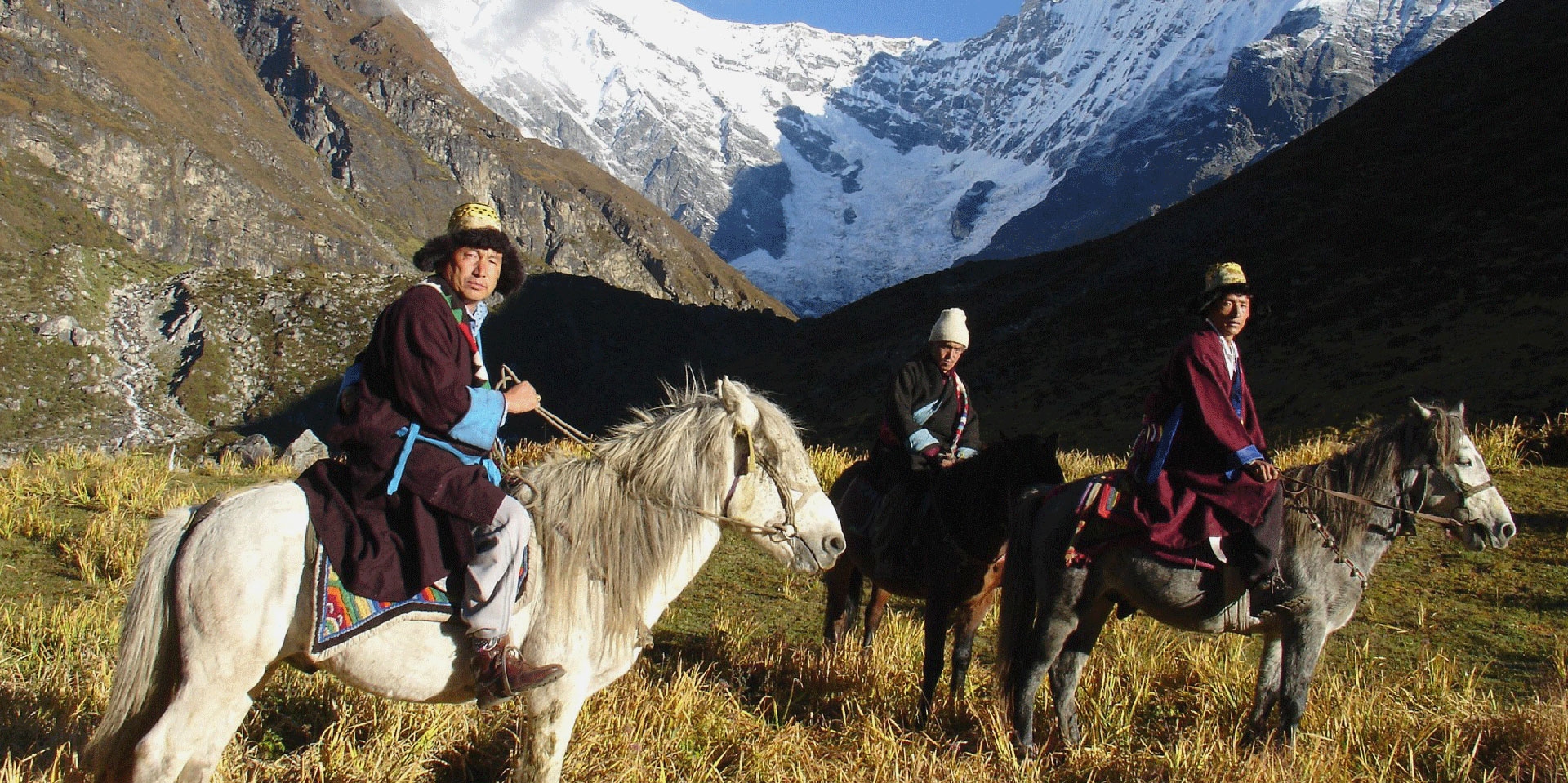
The Helambu Trek is a scenic and culturally rich journey just north of Kathmandu, offering a blend of natural beauty, traditional villages, and accessible Himalayan trekking. Located within the Langtang region, the trail passes through the peaceful Helambu Valley, home to the Hyolmo (Helambu Sherpa) community, known for its distinct culture, monasteries, and warm hospitality.
The trek typically begins from Sundarijal and ascends through Shivapuri Nagarjun National Park, leading to ridge-top villages such as Chisapani and Kutumsang. The route continues through forested ridgelines, terraced farmlands, and traditional settlements, with occasional views of the Langtang, Ganesh Himal, and Jugal Himal ranges.
A key highlight is Tharepati (3,440 m), a high ridge offering sweeping Himalayan views before descending into culturally rich villages like Tarke Ghyang and Sermathang. The journey balances nature and culture, with Buddhist monasteries, stone houses, and prayer flags reflecting the region’s spiritual heritage.
The Helambu Trek is a moderate trek, usually completed in 6 to 9 days depending on the itinerary and pace. It requires no technical skills and is suitable for trekkers with a reasonable fitness level.
With easy access from Kathmandu, varied landscapes, and strong cultural character, the Helambu Trek is ideal for those seeking a peaceful Himalayan experience at a lower altitude.
Arrival at Tribhuwan International Airport. Our Staff member meets you and transfers you to the hotel.
Overnight at the hotel
After breakfast at the hotel, our guide will meet you at the hotel and provide a briefing about the upcoming trek, including the itinerary, safety information, and important preparations. He will also assist you with all the necessary trekking formalities and paperwork.
After the briefing, we will go on a sightseeing tour around the Kathmandu Valley, visiting famous UNESCO World Heritage Sites such as Boudhanath Stupa, one of the largest Buddhist stupas in the world, and Swayambhunath Stupa, also known as the Monkey Temple. On this day, we will also arrange the TIMS card and other required permits for the trek.In the evening, you will have time to prepare your trekking gear and make the final arrangements for the journey ahead. Overnight at the hotel.
After an early breakfast in Kathmandu (1,400 m / 4,593 ft), we drive to Sundarijal (1,350 m), the starting point of the trek, which takes around 45 minutes to 1 hour through the outskirts of the Kathmandu Valley.
From Sundarijal, we begin our trek towards Chisapani (2,300 m), ascending through stone steps, forest trails, and sections of Shivapuri Nagarjun National Park. The route passes through Mulkharka village and continues steadily uphill through oak, pine, and rhododendron forests.
The trek takes approximately 4 – 5 hours and covers around 12 – 13 km in total distance, with an elevation gain of about 950 meters. The trail is a consistent uphill walk, offering a smooth transition from city surroundings to peaceful forest landscapes.
Upon arrival in Chisapani, we check into a local teahouse and enjoy a quiet evening with cool mountain air and panoramic views of the surrounding hills and distant Himalayan ranges.
From Chisapani (2,300 m), we begin our trek towards Kutumsang (2,470 m), following the scenic ridge trails of the Helambu region. The route passes through peaceful forested sections of oak, pine, and rhododendron, with a mix of gradual ascents and descents along the hillside.
As we continue, the trail crosses small rural settlements, terraced farmlands, and quiet ridge paths, gradually entering more remote mountain landscapes. On clear days, occasional views of the Langtang and Ganesh Himal ranges can be seen in the distance.
The trek takes approximately 6 – 7 hours and covers around 13 – 15 km, with undulating terrain throughout the day. Although the net elevation gain is moderate, the continuous ups and downs make it a steady and rewarding trekking section. Upon arrival in Kutumsang (2,470 m), we check into a local teahouse and enjoy a peaceful evening in this traditional hillside village surrounded by forested hills and mountain scenery. Overnight stay at a teahouse.
Departing from Kutumsang (2,470 m), we begin our ascent towards Tharepati (3,440 m), gradually leaving the mid-hill settlements and entering the higher alpine landscapes of the Helambu region. The trail climbs steadily through dense forests of oak, rhododendron, and pine, following a consistent uphill gradient.
As we gain elevation, the surroundings become quieter and more remote, with occasional ridgeline sections, open forest clearings, and small shepherd shelters along the way. The air grows cooler, and on clear days, sweeping views of the Langtang Himal, Dorje Lakpa, and surrounding peaks appear in the distance.
The trek takes approximately 6 – 7 hours and covers around 10 – 12 km, depending on pace and trail conditions. With a significant elevation gain of nearly 1,000 meters, this is a challenging yet highly rewarding day of trekking.
Upon arrival in Tharepati, a high ridge settlement surrounded by dramatic Himalayan scenery, we check into a local teahouse and enjoy a peaceful evening above the clouds.
Leaving Tharepati (3,440 m), we descend towards Tarke Ghyang (2,620 m), transitioning from high alpine ridges into the greener and culturally rich Helambu valley. The trail initially drops steeply through dense rhododendron and pine forests before gradually easing into forested ridgelines and scattered hillside settlements.
As we continue, the route passes through quiet woodland paths, traditional Hyolmo villages, and terraced hillsides, offering a blend of natural beauty and local culture. The landscape becomes increasingly lush and inhabited as we lose elevation, with occasional mountain views along the way.
The trek takes approximately 5 – 6 hours and covers around 13 – 15 km, depending on the exact route and walking pace. Although mainly downhill, the trail includes some short ascents and undulating sections, making it a varied and enjoyable trekking day.
Upon arrival in Tarke Ghyang (2,620 m), a beautiful traditional Hyolmo village known for its monasteries and stone houses, we check into a local teahouse and enjoy a peaceful evening surrounded by Himalayan scenery and cultural heritage.
We continue the journey from Tarke Ghyang (2,620 m) towards Sermathang (2,590 m), following the gentle trails of the Helambu region. The route passes through traditional Hyolmo villages, stone houses, terraced fields, and peaceful forested sections of oak, rhododendron, and pine.
As we progress, the trail consists of mild ascents and descents along ridgelines, offering a relaxed and scenic walking day compared to earlier stages of the trek. The landscape remains culturally rich, with frequent encounters of local village life and monastery areas along the way.
The trek takes approximately 4 – 5 hours and covers around 10 – 12 km, depending on the exact route and walking pace. With minimal elevation change, this section is more about enjoying the cultural scenery and gentle Himalayan landscapes.
Upon arrival in Sermathang (2,590 m), a peaceful hilltop village known for its monasteries and Himalayan views, we check into a local teahouse and enjoy a quiet evening overlooking the surrounding valleys and distant snow-capped peaks.
From Sermathang (2,590 m), we begin our descent towards Melamchi Pul Bazaar (825 m), leaving behind the peaceful hilltop villages of the Helambu region. The trail gradually winds downhill through terraced farmlands, traditional settlements, and forested ridgelines of oak and rhododendron.
As we descend, the landscape transitions from cool alpine hills to warmer lowland valleys. The route passes through small villages, farmland, and occasional suspension bridges, offering a final glimpse of rural mountain life before reaching the Melamchi Valley.
The trek takes approximately 4 – 6 hours and covers around 11 – 13 km, depending on the exact route and walking pace. The trail is mostly downhill with a few short ascents and uneven stone sections.
Upon arrival at Melamchi Pul Bazaar, a lively trading town in the Melamchi Valley, we check into a local lodge. Melamchi is known for its agricultural produce, local markets, and as a key gateway connecting the Helambu region with the lower Indrawati Valley and Kathmandu. We spend the night here, resting after the final trekking day of the journey. Overnight stay at lodge.
After breakfast in Melamchi Pul Bazaar, we begin our drive back to Kathmandu (1,400 m), marking the final leg of the journey. The route follows the scenic highway along the Indrawati River, passing through rural villages, terraced hillsides, and green mid-hill landscapes.
As we continue, the road gradually connects with the main highway towards Kathmandu, with changing scenery from quiet countryside to busier town settlements along the way. This drive offers a final opportunity to enjoy Nepal’s rural beauty beyond the trekking trails.
The drive takes approximately 4 – 5 hours and covers around 55 – 65 km, depending on road and traffic conditions. Upon arrival in Kathmandu, we transfer to the hotel, concluding the Helambu trekking experience. Overnight stay at Hotel.
Today marks the completion of your Helambu Trek. Depending on your flight schedule, you will be transferred from your hotel in Kathmandu (1,400 m / 4,593 ft) to Tribhuvan International Airport for your onward departure.
As you leave Nepal, we hope you take with you unforgettable memories of the Langtang Valley, its beautiful mountain scenery, traditional Tamang culture, and peaceful Himalayan trails. Thank you for being part of this journey, and we look forward to welcoming you again for future adventures in Nepal.
Airport arrival and departure transfers by private vehicle.
2 nights' accommodation in Kathmandu on a twin-sharing basis with breakfast.
Guided sightseeing tour of Kathmandu Valley with an experienced, English-speaking tour guide.
All sightseeing entrance fees as per the itinerary.
Accommodation in teahouses, guesthouses, or homestays during the trek on a twin-sharing basis.
Three daily meals during the trek (breakfast, lunch, and dinner).
Ground transportation as per the itinerary (tourist bus, local bus, or private vehicle).
Experienced, government-licensed English-speaking trekking guide.
Local government (Rural Municipality) entry permit.
Langtang National Park Entry Permit.
TIMS (Trekkers' Information Management System) Card (if required by the Nepal Tourism Board for the selected trek).
Guide's salary, meals, accommodation, transportation, equipment, and comprehensive insurance.
Comprehensive first-aid kit carried by the guide.
Pulse oximeter for daily oxygen saturation monitoring.
Complimentary Trek Adviser duffel bag and trekking route map as a souvenir for every trekker.
All required permits, government taxes, and company service charges.
Optional Add-ons
Porter service: US$20 per day (one porter carries up to 20 kg of luggage for two trekkers). The company covers the porter's salary, meals, accommodation, transportation, and insurance.
Down jacket and four-season sleeping bag rental (subject to availability).