

Arrival at Tribhuwan International Airport. Our Staff member meets you and transfers you to the hotel.
Overnight stay at a hotel.
Challenging alpine crossing between Everest and Makalu.
Makalu Region

Trek Starting Point
Lukla

Trek Ending Point
Lukla

Departure From
Ramechhap

Transportation
Domestic flight

Style
Hiking and Trekking

Meal
Breakfast, Lunch, Dinner

Accommodation
Tourist standard hotel in Kathmandu, Teahouse during trek
The Amphu Lapcha Pass Trek is one of the most adventurous and technically demanding trekking routes in the Everest region. Crossing the dramatic Amphu Lapcha Pass (5,845 m / 19,176 ft), this trek connects the popular Everest trails with the remote wilderness of the Hinku Valley, offering an unforgettable journey through some of Nepal’s most spectacular mountain landscapes.The Amphu Lapcha Pass Trek is for those who seek more than just a trek. It is for those who want to step off the map, embrace the challenge, and experience the Himalayas in their most authentic and untamed form.
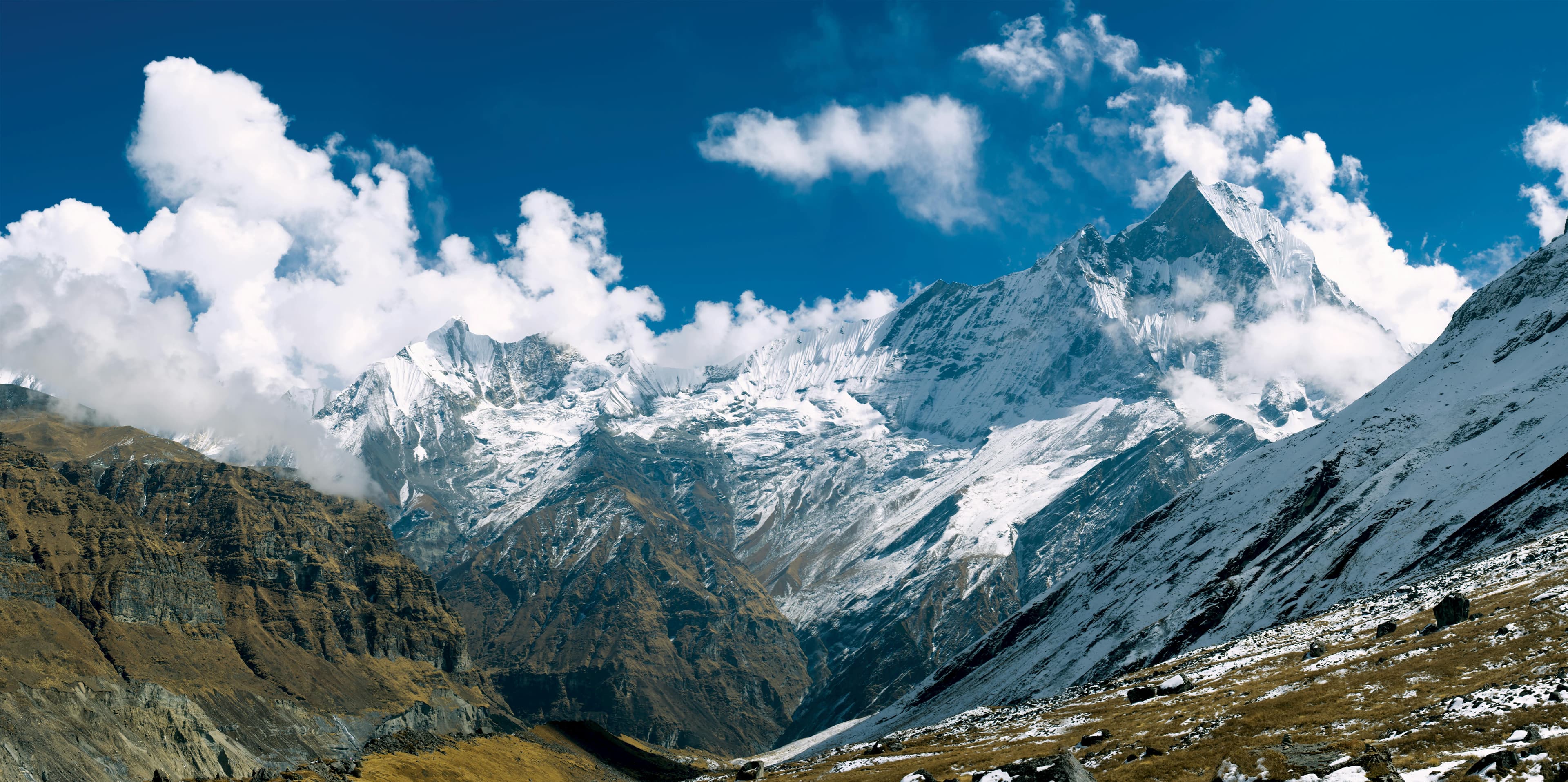
The adventure begins with a scenic flight from Kathmandu to Lukla, the gateway to the Everest region. The trail gradually ascends through famous Sherpa villages such as Namche Bazaar, Dingboche, and Chhukung, providing time for proper acclimatization while enjoying stunning views of iconic Himalayan peaks including Mount Everest, Lhotse, Ama Dablam, and Makalu. Beyond Island Peak Base Camp, the trail becomes more remote and rugged as trekkers approach the high Amphu Lapcha Pass. Crossing the pass involves navigating glaciers and steep icy sections, making it one of the most thrilling trekking experiences in the Himalayas. From the top, trekkers are rewarded with breathtaking views of towering peaks and vast glaciers.
After crossing the pass, the route descends into the pristine Hinku Valley, passing through remote alpine landscapes within Makalu-Barun National Park. The trek continues through isolated valleys before eventually returning to Lukla for the flight back to Kathmandu.
Arrival at Tribhuwan International Airport. Our Staff member meets you and transfers you to the hotel.
Overnight stay at a hotel.
After breakfast at the hotel, our guide will meet you at the hotel and provide a briefing about the upcoming trek, including the itinerary, safety information, and important preparations. He will also assist you with all the necessary trekking formalities and paperwork.
After the briefing, we will go on a sightseeing tour around the Kathmandu Valley, visiting famous UNESCO World Heritage Sites such as Boudhanath Stupa, one of the largest Buddhist stupas in the world, and Swayambhunath Stupa, also known as the Monkey Temple. On this day, we will also arrange the TIMS card and other required permits for the trek.In the evening, you will have time to prepare your trekking gear and make the final arrangements for the journey ahead. Overnight at the hotel.
After an early breakfast, we will fly from Kathmandu (1,400 m / 4,600 ft) to Lukla (2,840 m / 9,317 ft). The short 35-minute flight offers spectacular views of the Himalayas, and landing on the hillside airstrip is an adventure in itself, with mountains towering on all sides and a steep drop at the end of the runway. The crisp mountain air and dramatic landscapes make it clear that we have entered the heart of the Everest region.
From Lukla, we will start our trek along a gentle trail towards Cheplung Village, enjoying the striking views of Mount Khumbila. The path then gradually descends through the Dudh Koshi River valley as we make our way to Phakding (2,610 m / 8,563 ft). Surrounded by lush hills and offering panoramic views of Kusum Kanguru, Phakding is a charming village with comfortable lodges that serve trekkers. The trek from Lukla to Phakding is approximately 8 km (5 miles) and takes around 3–4 hours, providing a relaxed start to acclimatize and soak in the Himalayan scenery. Overnight at a guesthouse in Phakding.
Note: The weather in Lukla is highly unpredictable. Occasionally, flights may be delayed or canceled due to adverse weather conditions. If a flight is canceled, you will need to return to your hotel in Kathmandu. Please note that transportation back to the hotel and accommodation for this night are not included. If the weather clears the next day, you will be accommodated on either the 3rd or 4th flight to Lukla. If conditions remain unfavorable, there is also an option to take a helicopter flight. The cost of a helicopter flight is not fixed and will be quoted by the airline on the same day. You should expect to pay an additional approx. 250 USD for the helicopter transfer from Kathmandu to Lukla. Although such situations are rare, we believe it is important to inform you in advance.
We will start our trek from Phakding (2,610 m / 8,563 ft) and follow the trail along the Dudh Koshi River, passing through traditional Sherpa villages and suspension bridges. The trail gradually ascends through pine and rhododendron forests, offering beautiful views of the surrounding hills and mountains. We will cross several small settlements before reaching Monjo (2,835 m / 9,301 ft), where we may stop for a short break.Continuing uphill, we will climb steeply to Namche Bazaar (3,440 m / 11,286 ft), the main trading hub of the Khumbu region. The trek covers approximately 10 - 12 and takes around 5–7 hours, making it a moderate to challenging day that helps with acclimatization. Along the way, we will enjoy panoramic views of Thamserku and Kongde Ri, and take in the lively atmosphere of Namche Bazaar, surrounded by dramatic Himalayan peaks. Overnight at a guesthouse in Namche Bazaar.
We will take a rest day at Namche Bazaar (3,440 m / 11,286 ft) to allow our bodies to acclimatize to the higher altitude. During the day, we will explore the village, visit local markets, and enjoy the vibrant Sherpa culture. For those who wish to stretch their legs, we will take a short hike to the Everest View Hotel, which offers spectacular panoramic views of Mount Everest, Lhotse, and Ama Dablam.This day provides an excellent opportunity to rest, acclimatize, and take in the stunning Himalayan scenery before continuing the trek. Overnight at a guesthouse in Namche Bazaar.
We will start our trek from Namche Bazaar (3,440 m / 11,286 ft), gradually ascending through pine and rhododendron forests with breathtaking views of the surrounding Himalayan peaks. The trail passes through charming Sherpa villages and offers glimpses of terraced fields and local monasteries. After approximately 5–6 hours of trekking covering around 9 km (5.5 miles), we will reach Tengboche (3,867 m / 12,687 ft), famous for its Tengboche Monastery, one of the most important Buddhist monasteries in the Khumbu region. From here, we will enjoy panoramic views of Ama Dablam, Everest, Lhotse, and Thamserku, making it a memorable stop. The village provides cozy lodges for overnight stays, allowing time to relax and soak in the majestic surroundings. Overnight at a teahouse in Tengboche.
We will start our trek from Tengboche (3,867 m / 12,687 ft), descending slightly through rhododendron and pine forests before crossing the Dudh Koshi River. The trail then gradually ascends, passing traditional Sherpa villages and offering stunning views of Ama Dablam, Lhotse, and Island Peak.After approximately 5–6 hours of trekking covering around 11 km (7 miles), we will reach Dingboche (4,410 m / 14,468 ft), a scenic village in the Imja Valley. The village features cozy lodges and provides spectacular mountain views, making it an ideal stop for the night. Overnight at a teahouse in Dingboche.
We will begin our trek from Dingboche (4,410 m / 14,469 ft), following a gentle trail through the wide Imja Valleytoward the small settlement of Chhukung (4,730 m / 15,518 ft). The path gradually ascends across alpine terrain and yak pastures, offering stunning views of surrounding Himalayan giants such as Ama Dablam, Lhotse, and Island Peak. The trail is relatively short but requires a steady pace due to the high altitude.After approximately 2–3 hours of trekking, covering around 4–5 km (2.5–3 miles), we will arrive at Chhukung, a quiet mountain village that serves as a base for trekkers preparing to climb Chhukung Ri or venture toward Island Peak Base Camp. Upon arrival, we will have time to relax, acclimatize, and enjoy the spectacular mountain scenery surrounding the valley. Overnight at a teahouse in Chhukung.
We will begin our trek from Chhukung (4,730 m / 15,518 ft), following a gradual ascent along a rugged and less-traveled trail toward Island Peak Base Camp (5,200 m / 17,060 ft). The path climbs steadily through the upper Imja Valley, passing rocky slopes, glacial streams, and alpine terrain while offering impressive views of Lhotse, Ama Dablam, and Island Peak. As we gain altitude, the landscape becomes more remote and dramatic, surrounded by towering himalayan peaks and vast glacial scenery. Upon reaching Island Peak Base Camp, we will settle into our campsite, prepare for the upcoming high-altitude crossing, and enjoy the stunning mountain surroundings. This day is relatively short but important for acclimatization and preparation for more demanding days ahead. After approximately 4–5 hours of trekking, covering around 5–6 km (3–4 miles), we will arrive at Base Camp. Overnight at a tented camp in Island Peak Base Camp.
Today is reserved for acclimatization at Island Peak Base Camp (5,200 m / 17,060 ft), allowing our bodies to adjust to the high altitude before crossing the challenging Amphu Lapcha Pass. Proper acclimatization is essential at this elevation to ensure a safe and successful continuation of the trek.During the day, we will take a short hike to higher ground above base camp, following the principle of “climb high, sleep low,” while enjoying spectacular views of Lhotse, Island Peak, and surrounding himalayan peaks. There will also be time to rest, hydrate, and prepare gear for the upcoming glacier crossing. Depending on conditions, your guide may provide a basic briefing on movement over snow and ice.This day plays a crucial role in improving acclimatization and overall safety before tackling the most technical section of the trek. Overnight at a tented camp in Island Peak Base Camp.
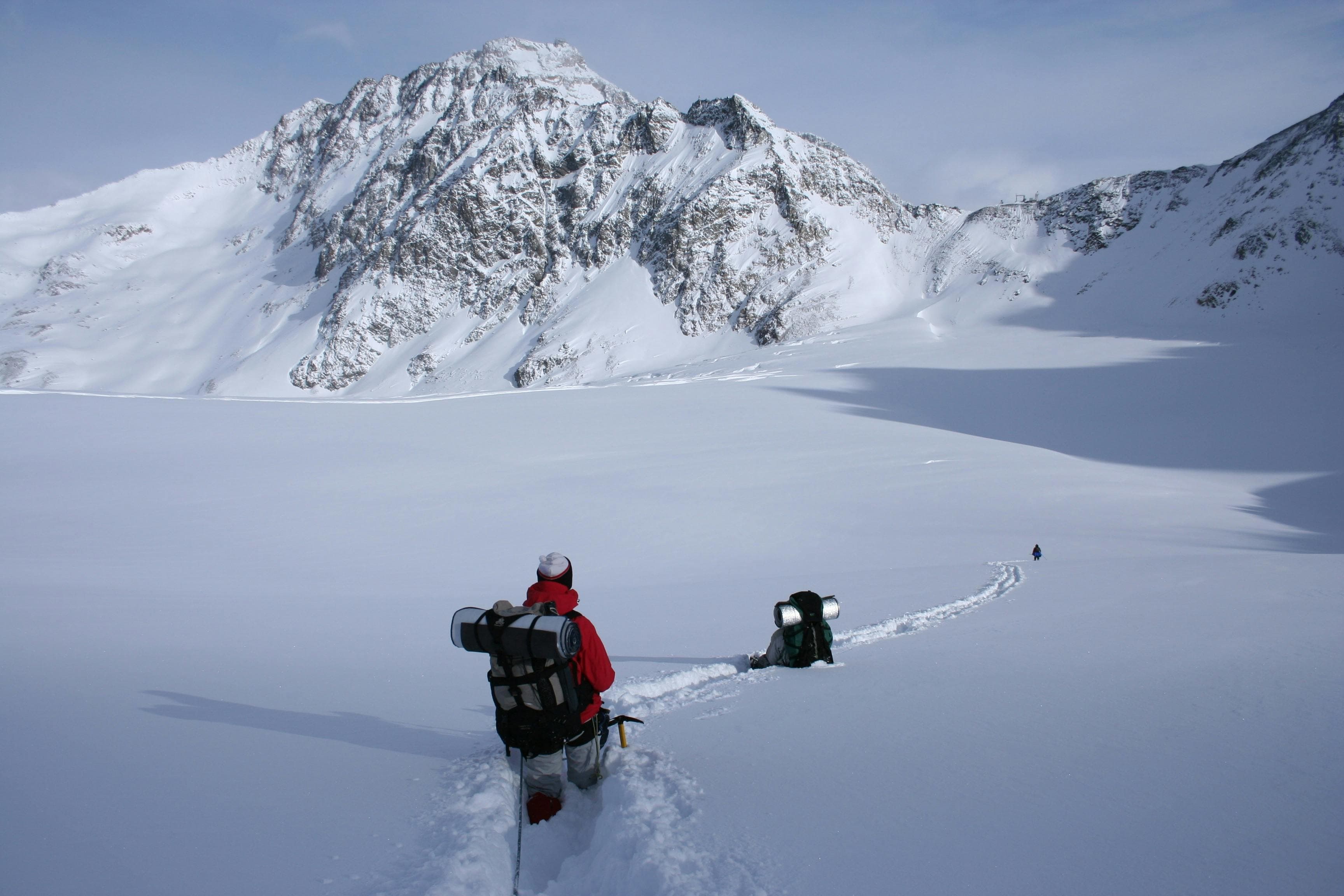
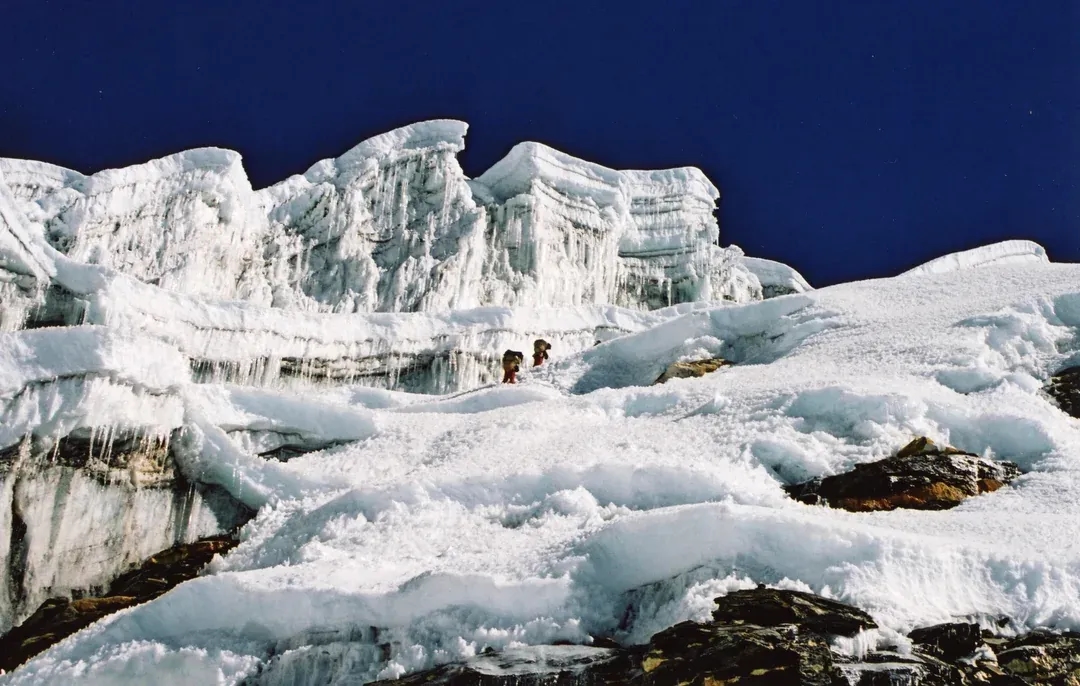
We will start early from Island Peak Base Camp (5,200 m / 17,060 ft) for one of the most challenging and rewarding days of the trek, the crossing of Amphu Lapcha Pass (5,845 m / 19,176 ft). This is a highly demanding and technical pass, involving steep snow and ice slopes, glacier travel, and rocky ridges. Some sections may require ropes and careful navigation, making it suitable only for trekkers with prior high-altitude experience and strong fitness. The ascent to the pass is tough but spectacular, offering panoramic views of Lhotse, Makalu, and surrounding Himalayan giants. The pass itself is narrow and exposed in places, emphasizing both the challenge and the reward of reaching this remote high point.
From the summit, the route descends carefully into the Hinku Valley, crossing steep moraine and glacial terrain. The valley is remote and untouched, providing a true sense of isolation and wilderness. This day is long and demanding, both physically and technically, but it offers some of the most breathtaking high-altitude scenery on the trek. We will trek approximately 8–10 hours, covering around 8–10 km (5–6 miles), before reaching our campsite in the Hinku Valley, where we can rest and recover from this unforgettable high-pass crossing. Overnight at a tented camp in Hinku Valley.
After the challenging Amphu Lapcha Pass (5,845 m / 19,176 ft), we will begin a day of trekking deeper into the Hinku Valley, descending gradually through rugged moraines, glacial streams, and alpine ridges. The terrain is less technical than the pass crossing, but careful footing is still required on rocky and uneven trails. This stage allows trekkers to recover from the high-altitude challenge while enjoying the remote, untouched wilderness of the Hinku Valley, surrounded by towering Himalayan peaks. Along the way, we pass small alpine settlements and pristine glacial valleys, offering a glimpse of life in this isolated region. The trek covers approximately 10–12 km (6–7 miles) over 6–7 hours, ending at a lower valley campsite where trekkers can rest and prepare for the next day’s gradual descent toward Lukla. Overnight at a tented camp in the Hinku Valley.
We will begin our trek from Hinku Valley and gradually ascend toward Khare (5,045 m / 16,552 ft), a high alpine settlement nestled near the base of Island Peak. The trail winds through moraine ridges, glacial streams, and open alpine valleys, offering dramatic views of Island Peak, Lhotse, and Makalu. The scenery is remote and untouched, providing a true sense of isolation in the high Himalayas. This trek is physically demanding due to the altitude, but it is less technical than the Amphu Lapcha Pass. Trekkers steadily gain elevation while navigating rocky paths and open high-mountain terrain, allowing time to acclimatize and enjoy the breathtaking surroundings. After approximately 5–7 hours of trekking, covering around 8–10 km (5–6 miles), we will arrive at Khare, where trekkers can rest, acclimatize, and prepare for the next stages of the expedition. Overnight at a tented camp in Khare.
We will begin our trek early from Khare (5,045 m / 16,545 ft), descending gradually through rugged alpine terrain, rocky moraines, and high-altitude meadows toward Kothe (3,580 m / 11,750 ft). The trail offers sweeping views of Ama Dablam, Cholatse, Taboche, and the surrounding Himalayan peaks, passing small glacial streams and isolated Sherpa settlements. The descent is steady but requires careful footing on uneven paths, revealing a quieter and more remote side of the Khumbu region compared to the main Everest Base Camp trail. The day’s trek covers approximately 10–12 km (6–7.5 miles) and takes 5–6 hours, depending on pace and weather conditions. Trekkers are rewarded with serene Himalayan vistas, alpine landscapes, and the sense of achievement that comes with descending from one of the region’s high-altitude villages. Overnight at a teahouse in Kothe.
We will start early from Kothe (3,580 m / 11,750 ft), ascending gently through alpine meadows and rocky ridges toward Thuli Kharka (4,050 m / 13,287 ft). The trail winds along glacial streams, past scattered shepherd huts, and through open high-altitude valleys, offering panoramic views of Ama Dablam, Cholatse, and Taboche. The trek is moderate, with gradual elevation gain, allowing trekkers to enjoy the serene landscapes and the quiet remoteness of the Khumbu region. The day’s trek covers approximately 8–10 km (5–6 miles) and takes 4–5 hours, depending on pace and weather conditions. The effort is rewarded with expansive Himalayan vistas and the peaceful atmosphere of a high-altitude pasture. Overnight at a teahouse or campsite in Thuli Kharka.
We will begin our trek early from Thuli Kharka (4,050 m / 13,287 ft), ascending steadily along alpine meadows, rocky ridges, and high pastures toward Puiyan (~4,250 m / 13,940 ft). The trail passes scattered shepherd huts, glacial streams, and open alpine valleys, offering sweeping views of Ama Dablam, Cholatse, and Taboche. The trek is moderate but high-altitude conditions make progress slower than at lower elevations. The day’s trek covers approximately 10–12 km (6–7.5 miles) and takes 5–7 hours, depending on pace, weather, and trail conditions. Trekkers are rewarded with serene Himalayan vistas, peaceful high pastures, and a sense of accomplishment from traversing this remote part of the Khumbu region. Overnight at a tented camp or teahouse in Puiyan.
At dawn, we set out from Puiyan, ascending gently toward the challenging Zatrwa La Pass (4,500 m / 14,764 ft). The trail winds over rocky ridges, glacial moraines, and high pastures, offering breathtaking views of Ama Dablam, Cholatse, and Taboche. After crossing the pass, we descend steadily through alpine valleys and forests, passing glacial streams, shepherd huts, and small Sherpa settlements, making our way down to Lukla (2,860 m / 9,383 ft), the gateway to the Khumbu region. The day’s trek covers approximately 12–14 km (7–8.5 miles) and takes 6–8 hours, depending on pace and trail conditions. The journey offers sweeping Himalayan vistas, the excitement of crossing a remote high pass, and the fulfillment of arriving in Lukla. Overnight at a guesthouse in Lukla.
After completing the Amphu Lapcha Trek, we will take an early morning flight from Lukla (2,860 m / 9,383 ft) back to Kathmandu (1,400 m / 4,593 ft). The short flight of about 30–40 minutes offers spectacular aerial views of the Himalayan peaks, glaciers, and deep river valleys, providing one last chance to admire the grandeur of the Everest region from above.
Upon arrival in Kathmandu, you will be transferred to your hotel. The remainder of the day can be spent relaxing, exploring the city, or shopping for souvenirs after your high-altitude adventure.Overnight stay at a hotel in Kathmandu.
Today marks the end of your Amphu Lapcha Pass Trek adventure. Depending on your flight schedule, you will be transferred from your hotel in Kathmandu (1,400 m / 4,593 ft) to Tribhuvan International Airport for your onward journey. This is the perfect time to reflect on the incredible experiences, breathtaking Himalayan scenery, and cultural encounters you have enjoyed throughout your trek. Safe travels and fond memories accompany you as you depart from Nepal.